
Elevated CO2 speeds up forest nitrogen cycle by 30% in BIFoR FACE study
This digest was compiled by AI from multiple sources — links to the originals are below.
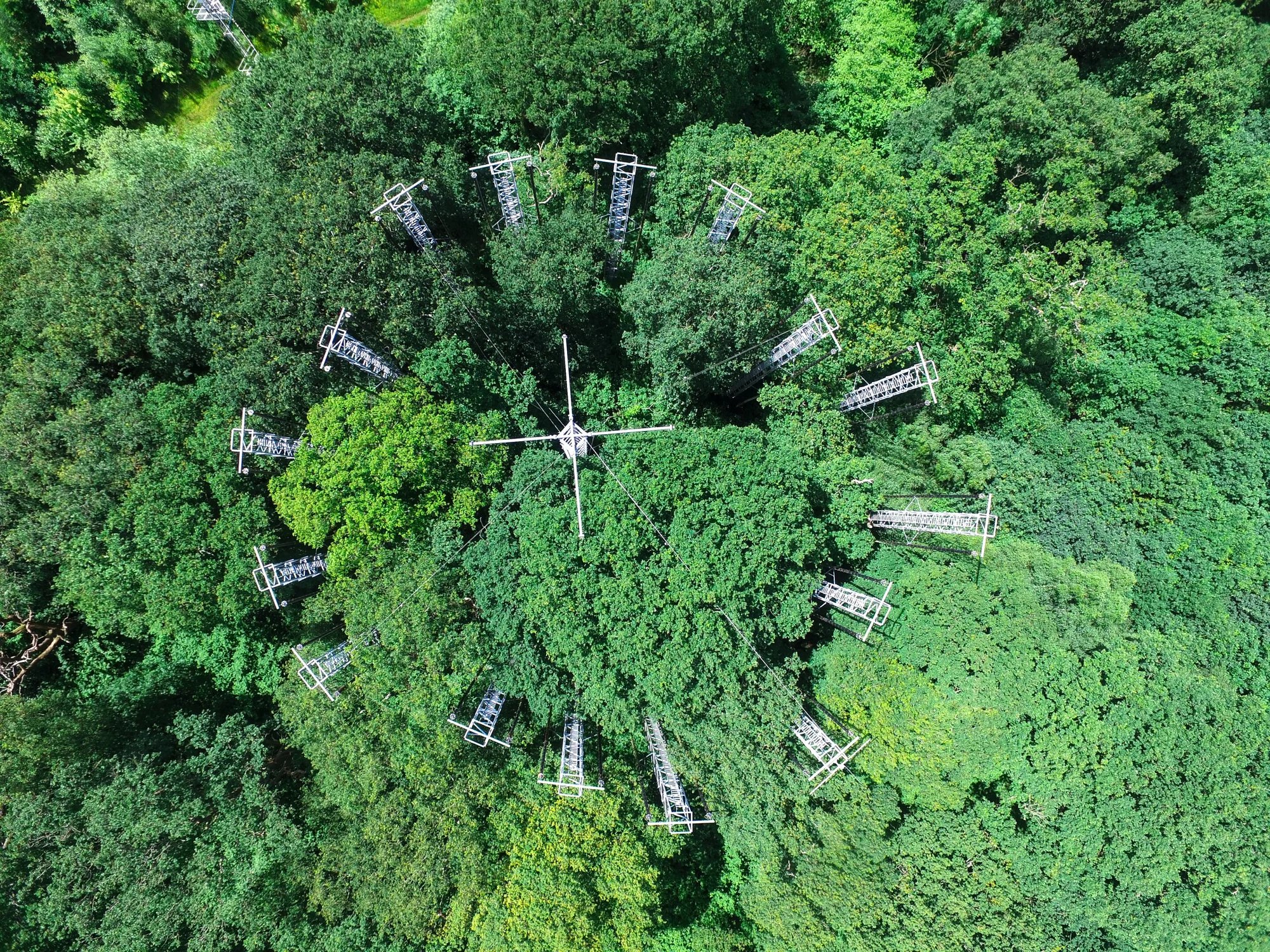
Soil nitrogen-cycling processes in a 180-year-old oak woodland increased by 30% after six years of exposure to elevated CO2 at the University of Birmingham's BIFoR FACE facility. Trees maintained nutrition by cooperating with microbes to extract nitrogen from organic matter. Researchers caution that the benefit relies on finite soil reserves and may not be sustainable.
Accelerated Nitrogen Cycling
The study, published in Science Advances, measured nitrogen-cycling processes at the BIFoR FACE facility in Staffordshire, where a nearly 180-year-old oak woodland has been exposed to CO2 levels expected in the 2050s. After six years, these processes increased by about 30% compared to ambient conditions. The trees did not exhibit nitrogen deficiency, challenging earlier predictions that elevated CO2 would intensify nutrient limitation.
Mechanism of Root Exudates
Lead author Dr. Manon Rumeau explained that trees release root exudates—easily decomposable organic carbon compounds—that stimulate soil microbes to break down organic matter and unlock nitrogen. Senior author Professor Sami Ullah noted that microbial processes converting soil nitrogen into forms prone to loss were simultaneously reduced, resulting in a "faster but tighter" nitrogen cycle. This shift kept nitrogen available to roots while minimizing ecosystem losses.
Depletion of Soil Reserves
The boost depends on nitrogen stored in soil organic matter, which is not limitless. Researchers identified that the accelerated cycling could eventually deplete these reserves. This finding underscores a potential limit to the carbon fertilization effect and the role of forests as a long-term climate solution.
1 source
Time · lag behind first