Silkworm cultivation in Central Asia predates Silk Road by 2,000 years
This digest was compiled by AI from multiple sources — links to the originals are below.
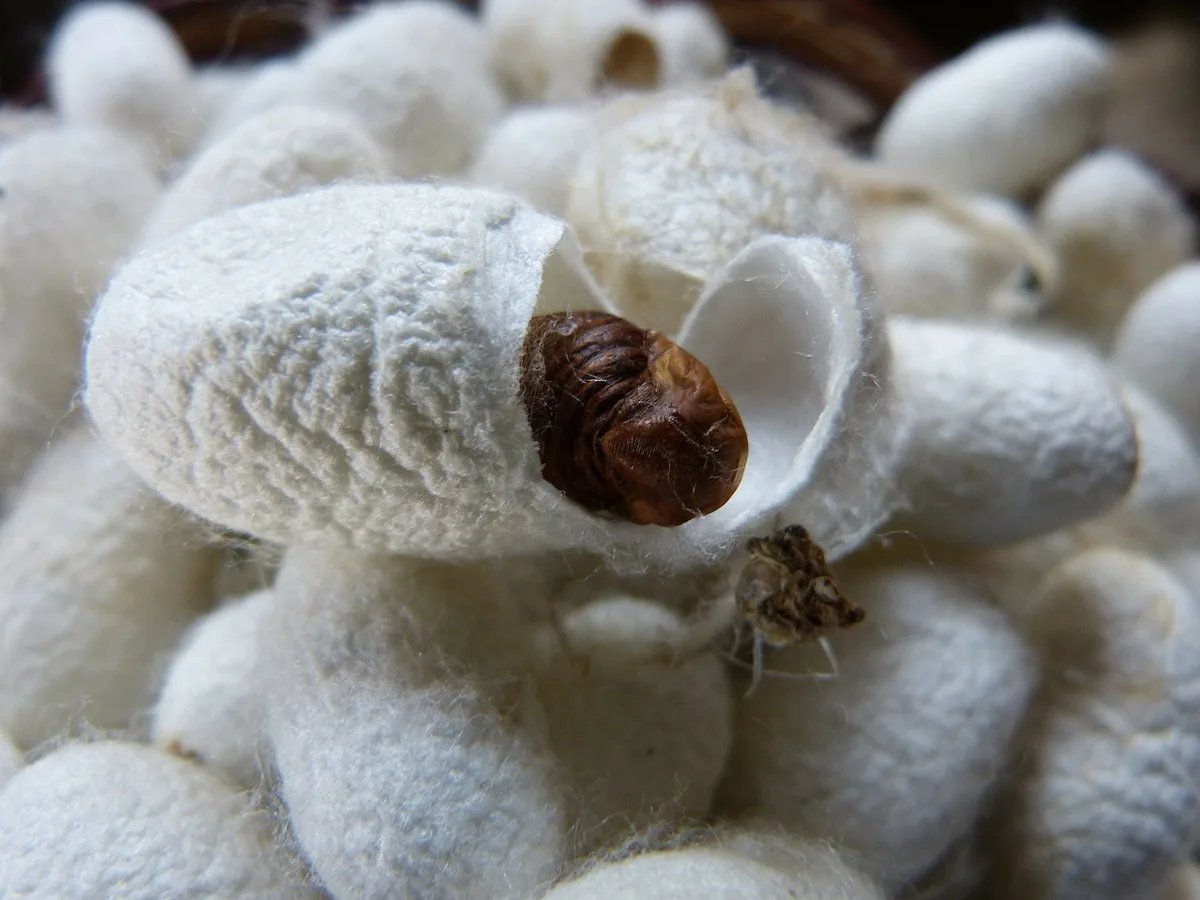
Three well-preserved silkworm cocoons discovered at Sapalli Tepe in Uzbekistan date to around 2000 BCE, pushing back the earliest verified silkworm cultivation outside China by nearly 2,000 years. The finding suggests East Asian sericulture reached southern Central Asia long before the Silk Road's establishment.
The Discovery
A Chinese-Uzbek team uncovered three intact cocoons at Sapalli Tepe, a Bronze Age site along the Surkhan-Darya River in Uzbekistan. Arid local conditions preserved the cocoons among charcoal and plant remains. Radiocarbon dating and protein analysis confirmed they belong to Bombyx mori, the mulberry silkworm species domesticated in ancient China.
Implications for Sericulture History
The cocoons date to around 2000 BCE, nearly 2,000 years earlier than previous evidence for silkworms outside China. Xinyi Liu of Washington University in St. Louis, lead author of the study in Science Advances, noted that even in China no preserved cocoons of this age exist. The find indicates that East Asian mulberry-based sericulture reached southern Central Asia by 4,000 years ago, long before the Silk Road.
Broader Context
The Silk Road, traditionally dated to the Roman and Han periods, was long assumed to be the conduit for silk and sericulture from China to Central Asia. This discovery suggests an earlier dispersal, possibly through networks predating the famous trade route. The site also yielded evidence of mulberry trees and other crops, supporting the idea of an established sericulture system.
What's Next
Further excavations at Sapalli Tepe and other Bronze Age sites may reveal more cocoons or silk-processing tools. It remains unclear how the silkworms and mulberry trees were introduced—whether through direct migration, trade, or knowledge exchange.
1 source
Silkworm cultivation in Central Asia predates Silk Road by 2,000 years