
US Senate bill to ban Chinese car sales over security fears
This digest was compiled by AI from multiple sources — links to the originals are below.
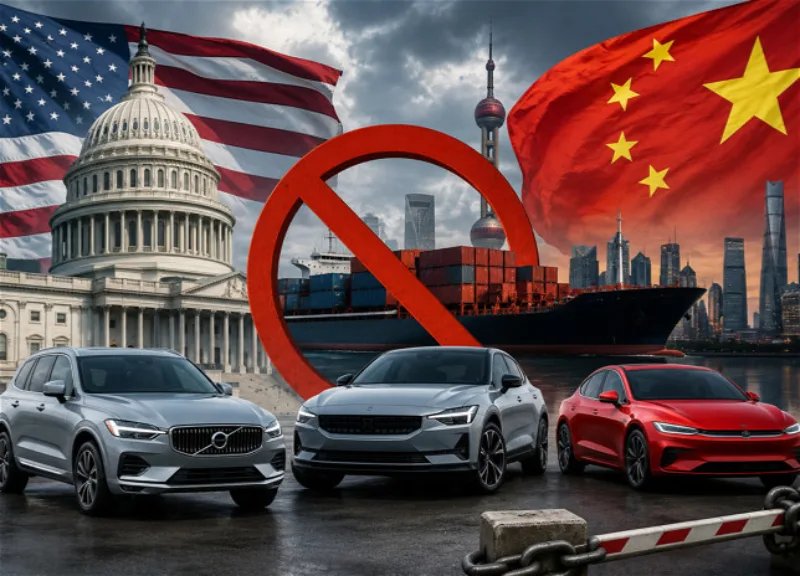
A bill introduced in the US Senate would ban the sale of passenger cars controlled by Chinese companies with more than 15% ownership, citing national security risks. The legislation targets software for batteries, communications, and satellite navigation systems, amid concerns over data collection.
The Bill's Provisions
The proposed legislation targets vehicles where Chinese entities hold over 15% ownership, effectively barring brands like Polestar and Volvo Cars from the US market. It also imposes strict rules on software managing batteries, communications, and GPS systems. Lawmakers argue that Chinese-linked cars could covertly collect sensitive data on US citizens and transmit it abroad.
Industry Reactions
Mercedes-Benz, 20% owned by China's Geely, is actively lobbying for amendments but has not issued official comments. General Motors announced it will move production of the Buick Envision back to the US by 2028, while Ford plans to repatriate its Chinese-made Lincoln models. Waymo, a Google subsidiary, has ended cooperation with Geely in favor of American partners.
Market Impact
Polestar, controlled by Geely, warned it may exit the US market entirely from 2027. Volvo Cars, also owned by Geely, received a temporary operating permit under strict conditions. The bill has not yet passed, but automakers are already adjusting supply chains in anticipation.
Senate Committee Vote Scheduled
The Senate Commerce Committee is debating the bipartisan bill, with a vote expected on Wednesday. This marks a procedural step toward potentially reinforcing a ban on Chinese automakers entering the U.S. market.
2 sources
Time · lag behind first