
Metal production carbon footprint may be 10 times higher than estimated
This digest was compiled by AI from multiple sources — links to the originals are below.
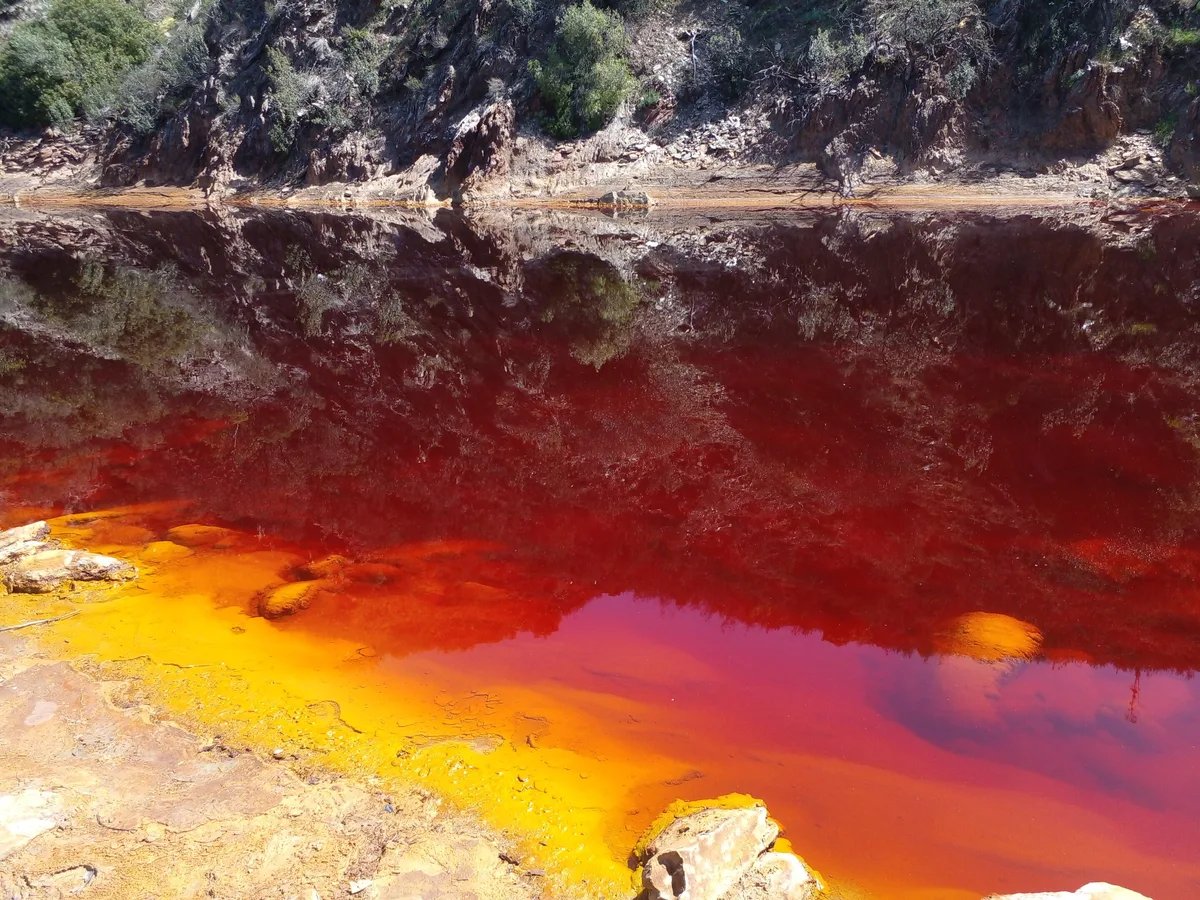
New research from the University of St Andrews finds that carbon emissions from metal production could be more than 10 times higher than previously estimated. The study, published in Environmental Science and Technology, is the first to quantify CO2 from acid mine drainage neutralization.
The Research
Researchers studied 82 historic and active mines in southeast Spain, an area with the highest acid mine drainage rates globally. They measured river chemistry to quantify acid mine drainage generation and neutralization, estimating CO2 flux. Laboratory experiments simulated river water-seawater mixing to track emissions.
Key Findings
Acid mine drainage neutralization has emitted CO2 comparable to conventional copper production in the region. Emissions persist for centuries after mining ends as exposed metal sulfides react slowly with oxygen. Dr. Luke Brigstock from the University of St Andrews called the result 'shocking'.
Implications for Net Zero
The full emission budget for acid mine drainage could exceed conventional copper production footprints by more than 10 times. This challenges net-zero goals given rising metal demand for green technologies. The study highlights a previously overlooked emission source.
1 source
Time · lag behind first