
Strait of Hormuz shipping traffic plunges 66% as U.S.-Iran conflict reignites
This digest was compiled by AI from multiple sources — links to the originals are below.
Shipping transits through the Strait of Hormuz fell to a three-week low of eight vessels on July 16, down from 15 the previous day, according to Kpler. Total transits for the week of July 14-20 dropped 66.2% compared to the prior week, Lloyd's List Intelligence data shows. The decline follows Iranian attacks on ships and the reinstatement of a U.S. blockade on Iran-linked shipping.
Traffic Collapse
An average of 138 ships passed through the Strait daily before the conflict began on February 28, according to the Joint Maritime Information Center. The traffic separation scheme remains too hazardous due to mines, said Jakob Larsen, chief security officer at BIMCO. "We've gone back to the worst-case scenario. Nobody is willing to move," said Dimitris Maniatis, CEO of Marisks.
Houthi Blockade
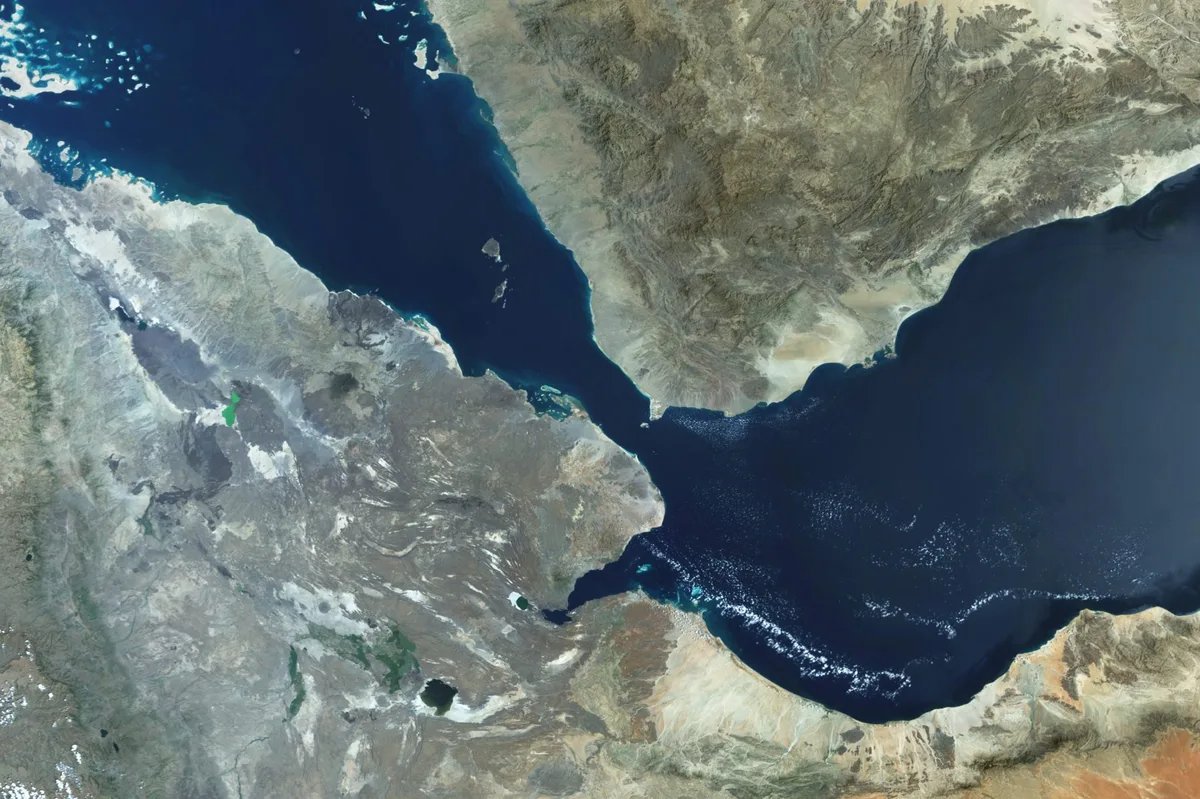
On July 20, the Houthis announced a maritime blockade on Saudi Arabia, citing the kingdom's siege on Sana'a. A full closure of the Bab el-Mandeb Strait could halt Saudi oil exports to Asia and reduce global oil supply by 7%. Saudi oil exports via Yanbu reached a record 4.19 million barrels per day last month.
Toll System Proposal
Oxford Economics proposed a toll system for the Strait of Hormuz as a less costly alternative to persistent disruption. The proposal aims to ensure regular trade resumption through the strategic waterway. The U.S. and Iran remain at odds over shipping lane specifics under the June 17 memorandum of understanding.
1 source
Time · lag behind first