Chinese scientists discover new immune gene boosting donor matching
This digest was compiled by AI from multiple sources — links to the originals are below.
Researchers at Zhongshan Hospital, Fudan University in China have identified a previously unknown allele in the human leukocyte antigen (HLA) system, designated HLA-DQB1*03:03:38 by the World Health Organization. The discovery, made during routine blood screening of a healthy woman, expands the global HLA catalog to over 45,000 variants and improves the precision of donor-recipient matching for organ and stem cell transplants.
The Discovery
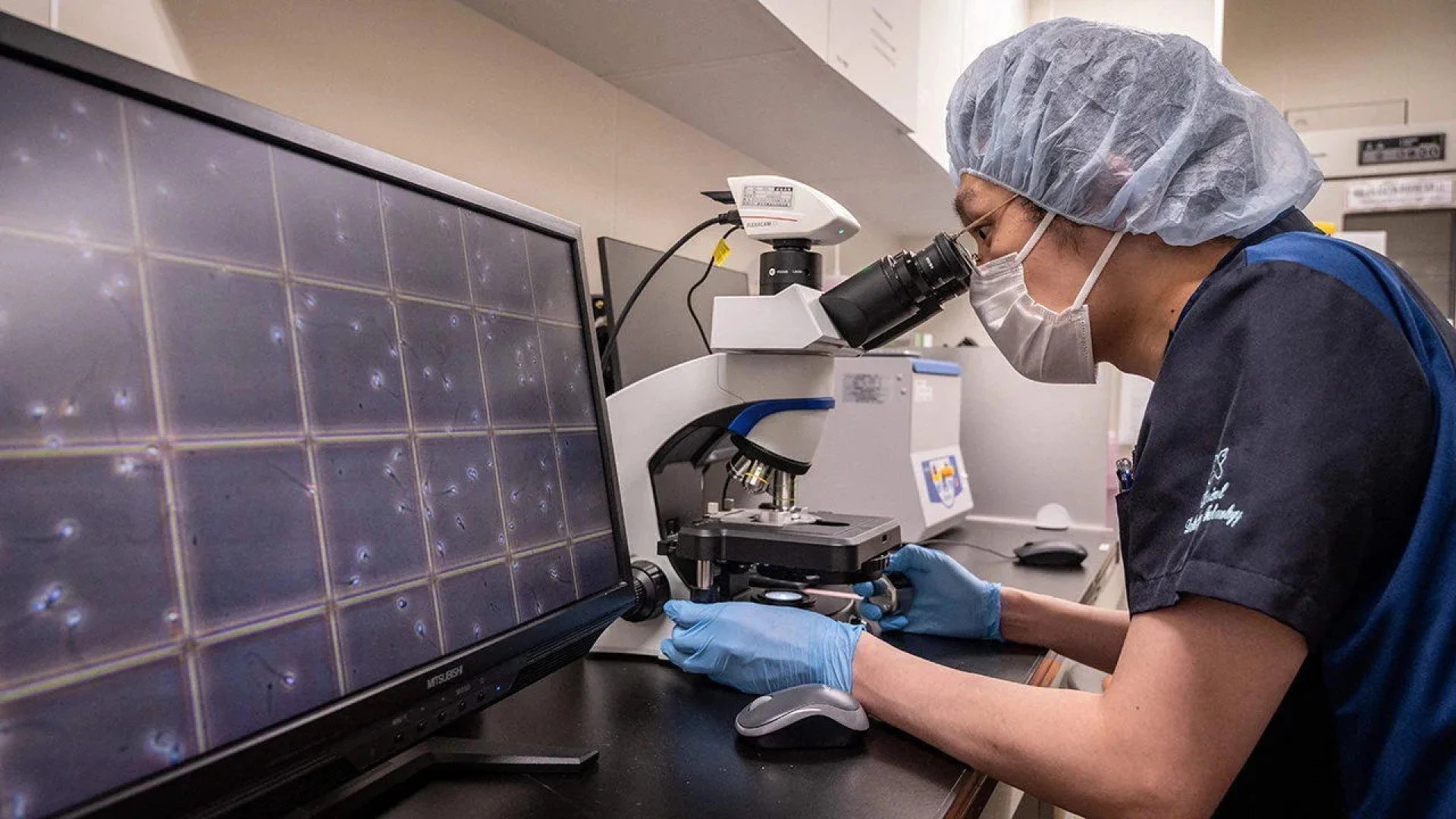
The new allele was identified during routine HLA antibody screening of a healthy female patient at Zhongshan Hospital. After a positive result, geneticists conducted deep sequencing using nanopore technology to confirm the unique DNA structure. Multiple rounds of verification and cross-referencing with international databases confirmed that this allele had never been documented before.
Clinical Implications
The expansion of the HLA catalog directly increases the probability of finding genetically compatible donors for patients requiring kidney or bone marrow transplants. It also enables surgeons to better predict and prevent organ rejection risks. Additionally, the data provides clues for developing targeted therapies and studying autoimmune diseases such as lupus and rheumatoid arthritis.
What's Next
The new allele data will be integrated into global genetic databases for clinical use. Researchers plan to investigate its prevalence in different populations and its potential role in transplant outcomes and autoimmune disorders.
1 source
Chinese scientists discover new immune gene boosting donor matching