Study links urban nanoparticles to 2 million annual deaths
This digest was compiled by AI from multiple sources — links to the originals are below.

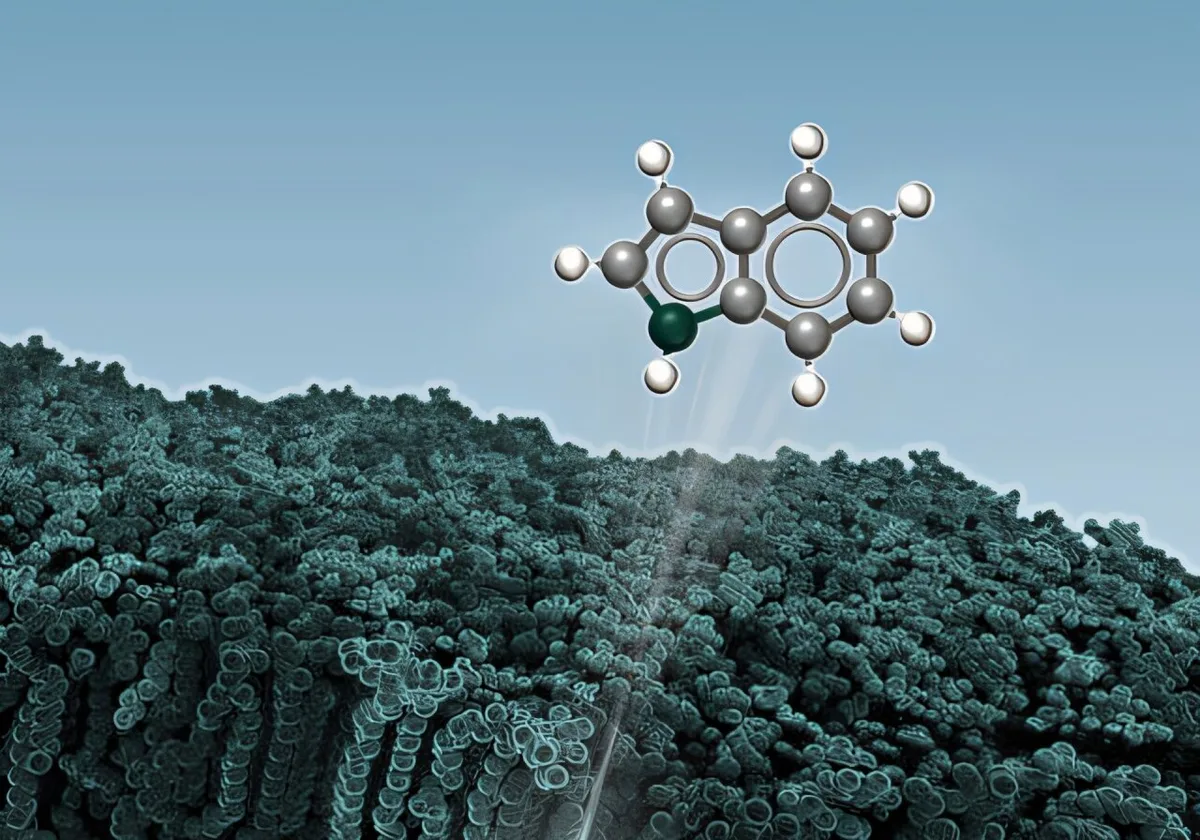
A study in Cardiovascular Research estimates that ultrafine particles in urban air cause about 2 million premature deaths annually, half from cardiovascular disease. The 10-year data analysis highlights the health toll of nanoparticles smaller than 100 nanometers.
The Study Findings
Researchers published in Cardiovascular Research used machine analysis of 10 years of data to link ultrafine particles (UFPs) — smaller than 100 nanometers — to 2 million premature deaths each year. Half of these deaths are attributed to cardiovascular pathologies. The particles are invisible and penetrate deep into the lungs and bloodstream.
Health Impact
The study emphasizes that UFPs, often from vehicle emissions and industrial sources, pose a greater health risk than larger particulate matter. The annual death toll exceeds previous estimates for PM2.5 alone. Cities with high traffic density face the highest exposure levels.
What's Next
Further research is needed to identify specific sources and mitigation strategies. It remains unclear whether current air quality regulations adequately address nanoparticles.
1 source
Study links urban nanoparticles to 2 million annual deaths