
Gold price slide reflects rate hike fears, not geopolitical risk
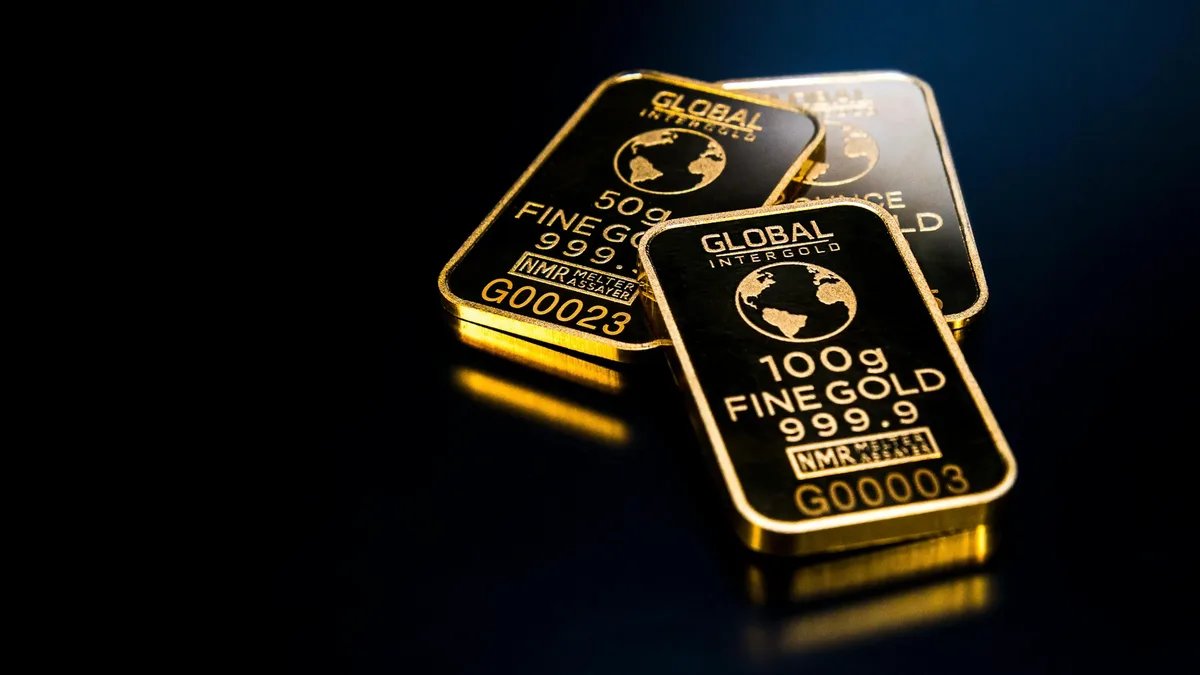
This digest was compiled by AI from multiple sources — links to the originals are below.
Spot gold traded near $4,028 per troy ounce on July 14, down 17% over three months. The correction follows a sharp rise in oil prices amid US-Iran tensions, fueling inflation fears and expectations of Federal Reserve rate hikes. Higher rates reduce gold's appeal as a non-yielding asset and strengthen the dollar, pressuring prices further.
The Correction
Spot gold fell to approximately $4,028 per troy ounce on July 14, according to market data. Over the past week, gold lost 1.93%; over the past month, 4.53%; and over three months, nearly 17%. For Kazakh investors who bought gold recently, the return has been minimal: one gram of gold cost 60,060 tenge in early August 2025 and 61,290 tenge today, a gain of only about 2% per year, per National Bank of Kazakhstan data.
Rate Expectations
The sell-off is driven by shifting expectations for US monetary policy, not by geopolitical turmoil, according to Reuters. Rising oil prices due to US-Iran tensions have stoked inflation fears, leading markets to price in a higher probability of Federal Reserve rate hikes. Higher rates make gold less attractive compared to yield-bearing assets like bonds, and a stronger dollar further weighs on gold prices.
Kazakhstan Context
Over the same period, tenge-denominated deposits yielded up to 20% annually, while dollar bonds returned about 5-6%, according to National Bank data. Gold has underperformed these traditional savings instruments on a short-term horizon. Analysts note that gold's role as a safe haven is being tested as investors reassess asset allocations in a rising-rate environment.
Central Bank Gold Holdings
Central banks are among the largest holders of physical gold. Their decisions to buy or sell can move prices, adding a supply-demand dynamic beyond monetary policy expectations.
Gold Surpasses $5,100
Gold prices surged past $5,100 per troy ounce as central banks and investors sought refuge from geopolitical risks and Trump-induced market volatility, according to Reuters. The rally reflects constant geopolitical pressure from the US, contrasting with the earlier sell-off described in the article.
4 sources
Time · lag behind first