Lystrosaurus fossil confirms egg-laying, reshaping mammal evolution understanding
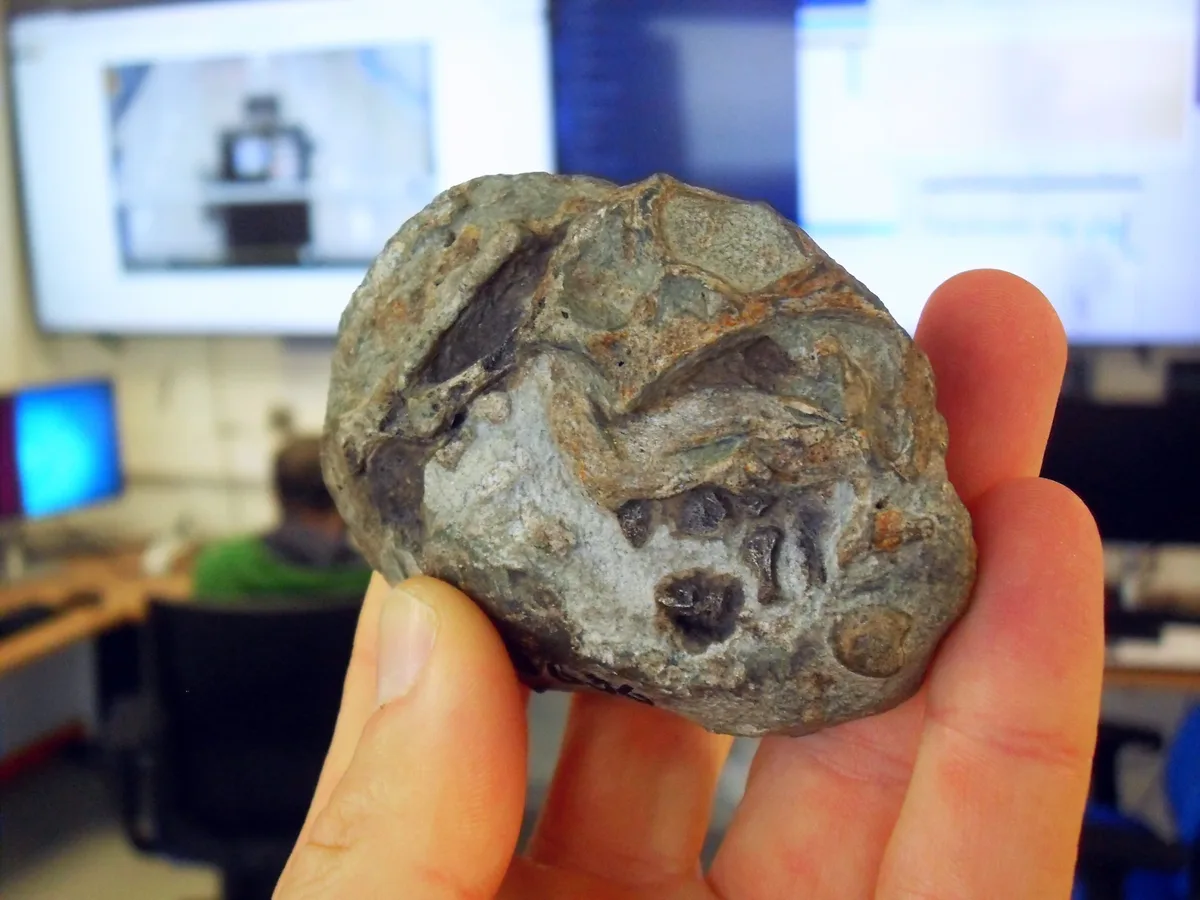
A 250-million-year-old Lystrosaurus fossil has been discovered, confirming that mammal ancestors laid eggs. This finding provides new insights into mammalian evolutionary history.
Lystrosaurus Fossil Discovery
Researchers have uncovered a 250-million-year-old fossil of Lystrosaurus, a mammal ancestor, in South Africa. This discovery provides concrete evidence that these creatures laid eggs, a trait shared with modern monotremes like the platypus. The fossil was found by a team from the University of the Witwatersrand, adding a significant piece to the puzzle of early mammalian evolution.
Implications for Evolutionary Biology
The confirmation of egg-laying in Lystrosaurus challenges previous assumptions about early mammalian reproduction. This finding suggests a closer evolutionary link between ancient synapsids and modern egg-laying mammals. The study, published in the journal Nature, highlights the adaptability of Lystrosaurus, which thrived after the End-Permian Extinction, a period that saw the loss of 90% of Earth's species.
What's Next
Further research is planned to explore other synapsid fossils for similar traits. It remains uncertain how these findings will influence current evolutionary models.
1 source
Lystrosaurus fossil confirms egg-laying, reshaping mammal evolution understanding