Stockholm University identifies glucose transport mechanism using transition-like state
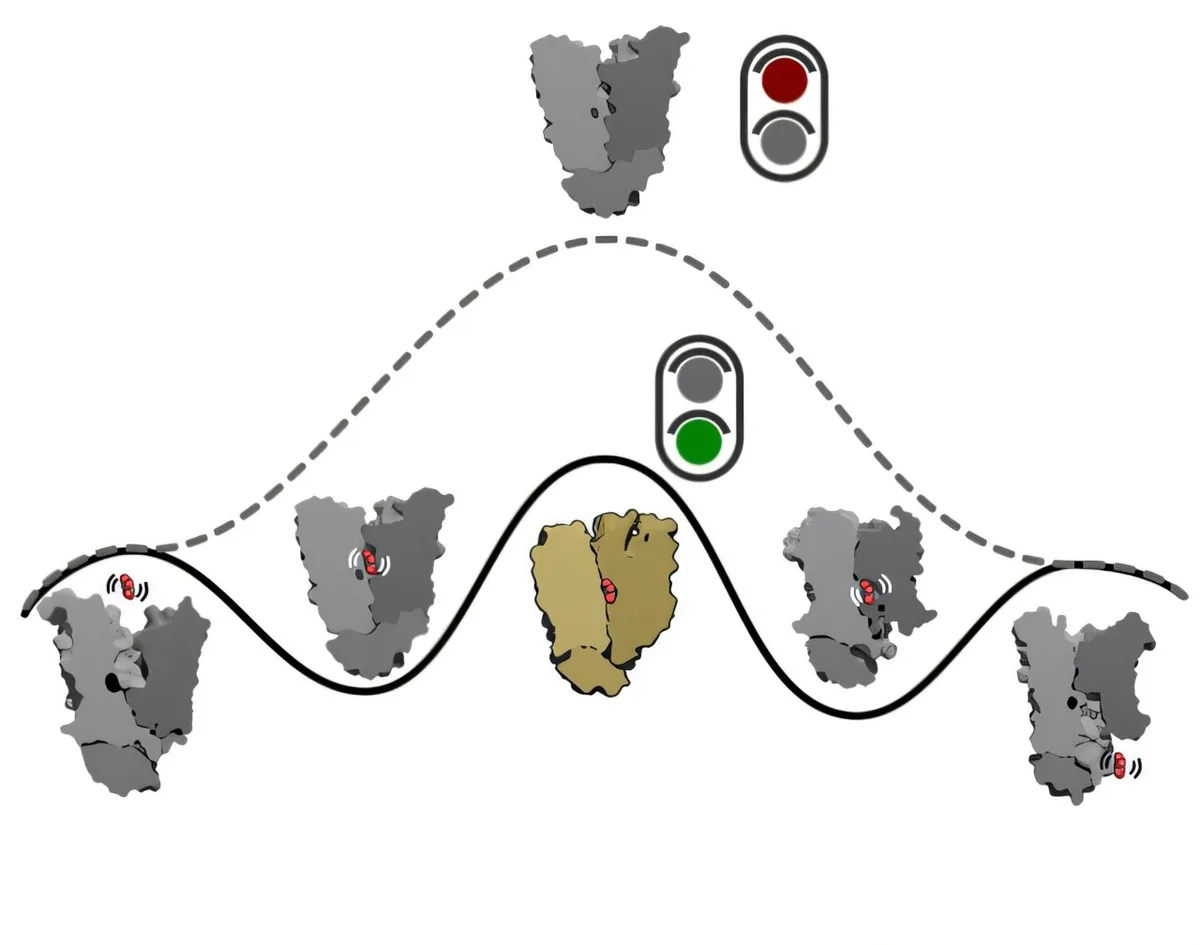
Researchers at Stockholm University and SciLifeLab have discovered a new mechanism for glucose transport into cells. This finding bridges a gap in understanding membrane biology. The study highlights a transition-like state crucial for transport proteins.
Glucose Transport Mechanism
Stockholm University and SciLifeLab researchers have identified a previously unknown intermediate state in glucose transporters. This state functions similarly to the 'transition state' in enzyme catalysis, according to David Drew, a professor at Stockholm University. The discovery provides new insights into how nutrients are moved into cells, a fundamental biological process. The study involved detailed structural analysis of these transport proteins. The research was conducted at the Department of Biochemistry and Biophysics.
Impact on Membrane Biology
The discovery by Stockholm University addresses a long-standing gap in membrane biology. Understanding the role of the transition-like state could lead to advancements in biological and medical research. The study's findings may influence future research on cellular nutrient transport. SciLifeLab's involvement highlights the collaborative nature of this research. The implications of this discovery extend to various fields including biochemistry and molecular biology.
What's Next
Further research is expected to explore the implications of this transition-like state in other transport processes. It remains unclear how this discovery will influence future therapeutic developments.
1 source
Stockholm University identifies glucose transport mechanism using transition-like state