University of Gothenburg warns of wildfire threat to species amid climate change
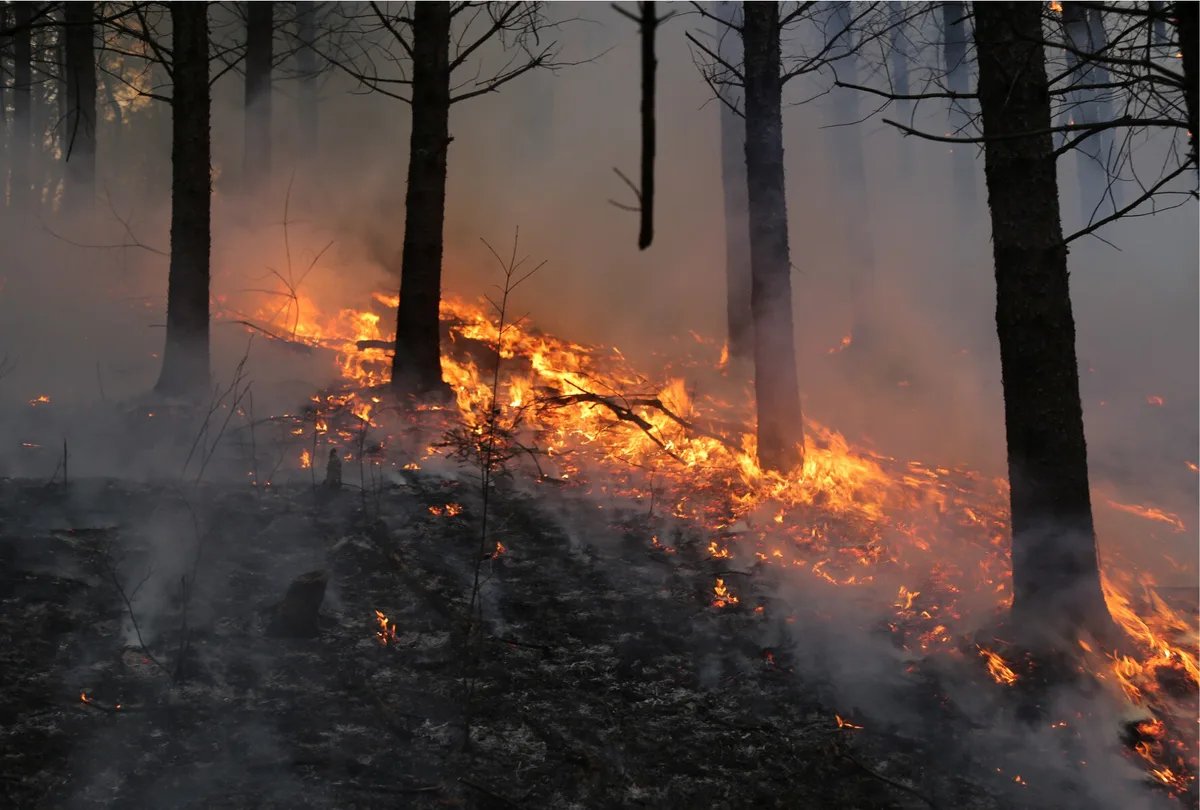
Researchers from the University of Gothenburg report that longer wildfire seasons are increasing the vulnerability of thousands of species globally. The study highlights the impact of climate change on biodiversity. This occurs even as efforts to mitigate global warming continue.
Wildfire Frequency and Impact
The University of Gothenburg study indicates that wildfires are becoming more frequent due to global warming. This increase in frequency is affecting new regions, posing a threat to diverse ecosystems. Thousands of plant, animal, and fungi species are now at greater risk. The study emphasizes the need for urgent action to protect these vulnerable species.
Climate Change and Biodiversity
The research underscores the link between climate change and biodiversity loss. As temperatures rise, ecosystems are disrupted, leading to increased wildfire activity. The study involved multiple international research institutions, highlighting a global concern. The findings call for enhanced conservation efforts to mitigate these impacts.
Nebraska Wildfires Scale
Nebraska is experiencing its largest wildfires in history, with the Morrill Fire and Cottonwood Fire burning over 800,000 acres. These fires represent a significant increase in wildfire activity in the region, highlighting the expanding threat of wildfires beyond traditionally affected areas.
What's Next
The study's authors plan to present their findings at an upcoming international climate conference. It remains uncertain how policymakers will respond to these urgent calls for action.
2 sources
University of Gothenburg warns of wildfire threat to species amid climate change