Scientists identify mosquito hormone receptor, opening new control strategies
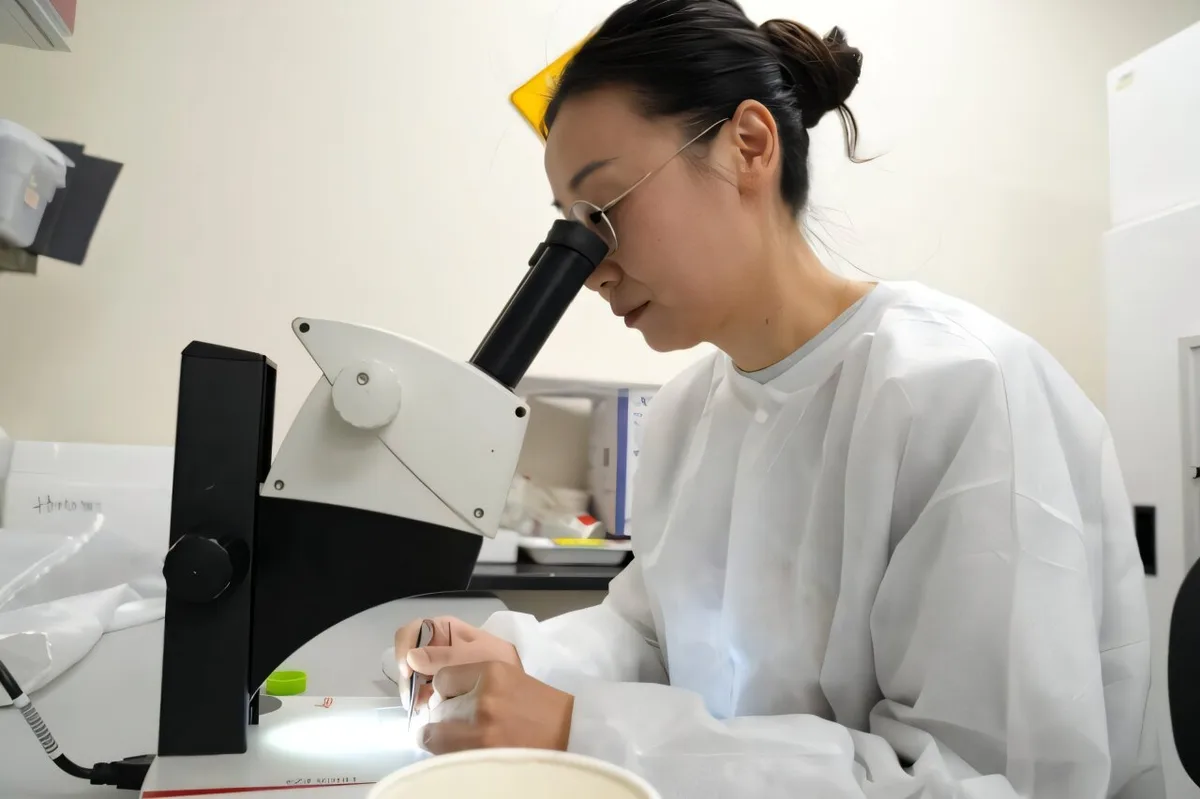
Scientists have identified a key receptor for the juvenile hormone in mosquitoes, potentially disrupting their reproduction. This discovery could lead to new methods for controlling mosquito populations and the diseases they transmit. The breakthrough comes even as global health organizations struggle with mosquito-borne illnesses.
Juvenile Hormone Discovery
Researchers have solved a longstanding mystery in mosquito biology by identifying a second receptor for the juvenile hormone, crucial for mosquito reproduction. The internal receptor was known, but the surface receptor had remained elusive until now. This discovery was made by a team of scientists who believe it could pave the way for new mosquito control methods. The juvenile hormone is essential for the development and reproduction of mosquitoes, which are vectors for diseases like malaria and dengue. The identification of this receptor could lead to targeted interventions to disrupt mosquito breeding.
Potential Impact on Disease Control
The discovery of the receptor could significantly impact global health efforts to control mosquito-borne diseases. Organizations such as the World Health Organization have been seeking new strategies to combat the spread of diseases transmitted by mosquitoes. With over 700 million people affected by mosquito-borne illnesses annually, the potential for new control methods is substantial. Scientists are hopeful that targeting the newly identified receptor could reduce mosquito populations. This breakthrough comes as traditional methods, such as insecticides, face challenges like resistance.
What's Next
Further research is needed to develop practical applications for this discovery. It remains unclear how quickly new mosquito control methods can be implemented.
1 source
Scientists identify mosquito hormone receptor, opening new control strategies