Umeå University reveals tick-borne virus cell transformation in Nature study
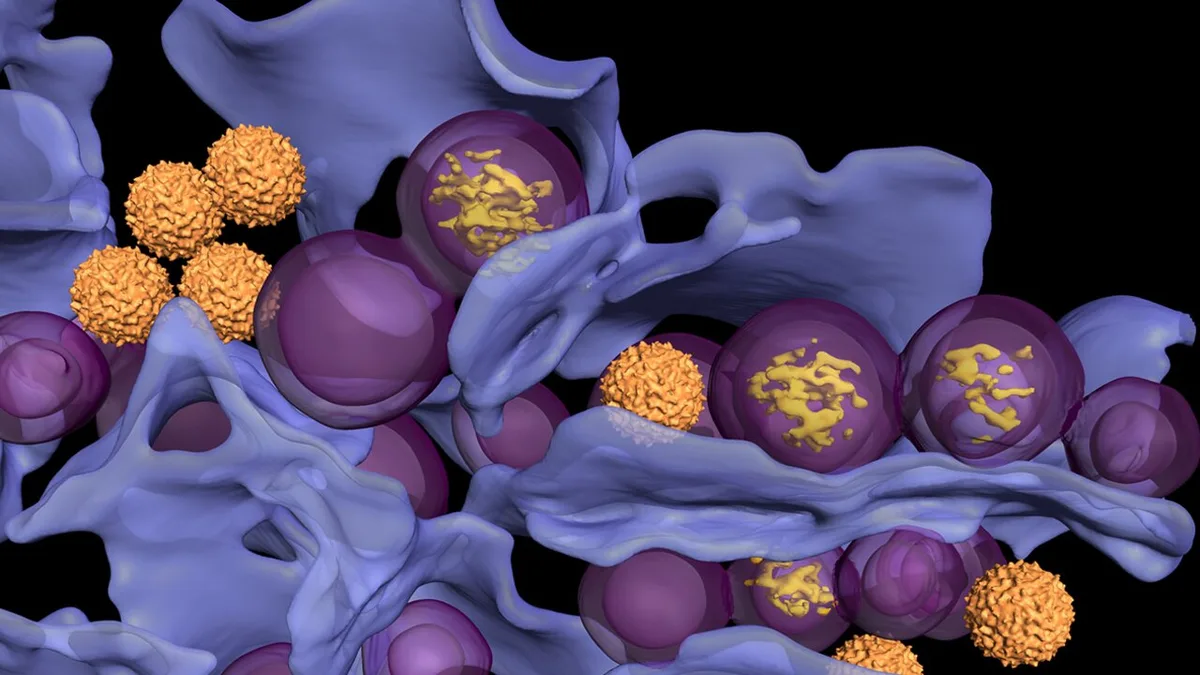
Researchers at Umeå University demonstrate how tick-borne viruses alter human cells using advanced microscopy. The study, published in Nature Communications, offers insights into viral replication. This discovery may influence future treatments for tick-borne encephalitis.
Microscopy Methodology
Umeå University researchers employed advanced 3D microscopy to observe changes in human cells infected by tick-borne viruses. The study, detailed in Nature Communications, highlights how the virus transforms cells into replication sites. This method allowed for unprecedented visualization of viral maturation processes.
Implications for TBE Treatment
The findings could be pivotal for developing treatments against tick-borne encephalitis (TBE). Umeå University's research offers a new understanding of viral behavior within human cells. The study's insights may guide future therapeutic strategies, even as TBE cases continue to rise globally.
What's Next
Further research is anticipated to explore therapeutic applications of these findings. It remains uncertain how quickly these insights can be translated into effective treatments.
1 source
Umeå University reveals tick-borne virus cell transformation in Nature study