
Ukraine Strikes Volgograd Refinery and Samara Oil Hub
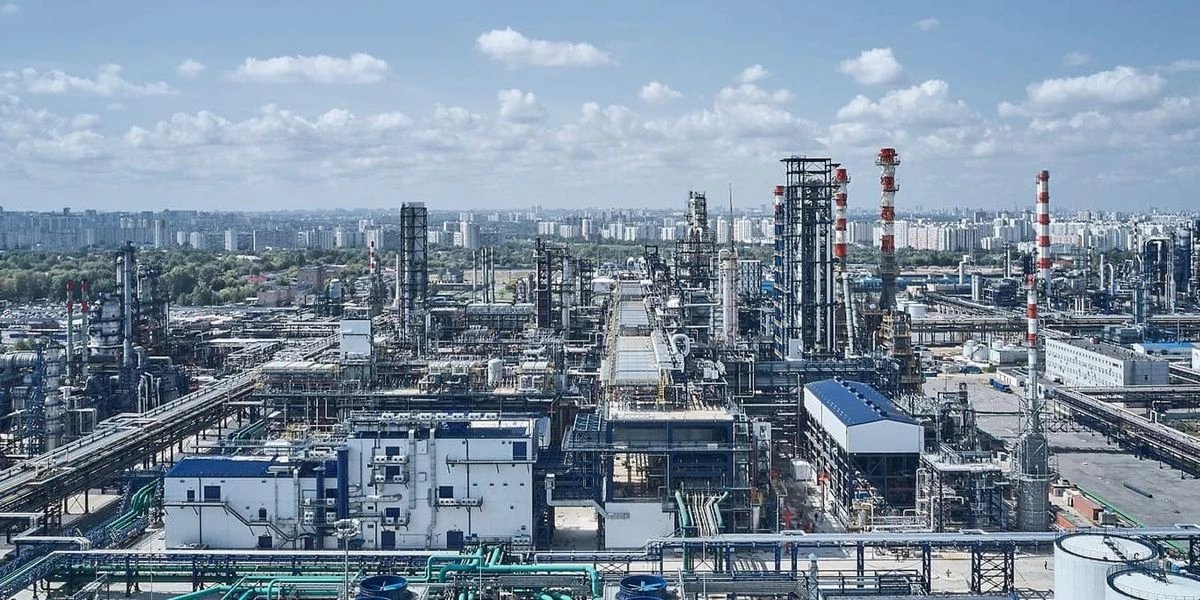
Overnight into October 2, Ukrainian forces attacked the Volgograd refinery and the Samara line production dispatch station. This continues a series of strikes on Russian oil infrastructure that have halted or constrained up to 22 refineries. Fuel shortages have already affected 92% of Russia's regions.
Sources
· 9Украина нанесла удары по НПЗ в Волгограде и нефтяному узлу под Самарой
1Удары дронов остановили до 22 НПЗ России, рынок топлива сжимается
2Украинский удар остановил Московский НПЗ, сократив переработку нефти в России
3Украинские дроны атаковали НПЗ в Рязани и города юга России
4Украинские дроны вывели из строя треть нефтепереработки России
5Bloomberg: Украина в августе нанесла рекордный 21 удар по российским НПЗ
6Лукойл остановил три из четырех НПЗ в России после ударов украинских дронов
7Беспилотники атаковали НПЗ в Перми и нефтебазу в Сочи, погиб один человек
8Топливный кризис в России нарушил поставки продуктов, работу промышленности и экспорт зерна
9Key points
- Overnight into October 2, Ukrainian forces attacked the Lukoil-Volgogradneftepererabotka refinery and the Samara dispatch station; explosions and fires were recorded at the facilities after the strikes.
- Volodymyr Zelenskyy said the attacks were a response to Russian escalation.
- Ukrainian strikes have reduced Russian refining by about 30% in annual terms, and fuel shortages have affected 92% of Russia's regions.
Why it matters
Ukrainian drone attacks have halted or limited operations at up to 22 Russian refineries, including the Novoshakhtinsk, Perm, Ilsky and Afipsky refineries. Repairing damaged secondary units could take six to eight months, and Western sanctions limit access to equipment. The Ukrainian strike on the Moscow refinery in Kapotnya on September 20 disabled two primary refining units and halted fuel production. The wave of strikes has cut Russian refining by about 30% in annual terms, fuel shortages have affected 92% of regions, and queues have appeared at Moscow gas stations.
What changed
In August, Ukraine carried out a record 21 strikes on Russian refineries in a single calendar month, halting six major plants. By August 26, three of Lukoil's four Russian refineries — Nizhny Novgorod, Volgograd and Perm — had halted operations, leaving only Ukhta operating. In early September the strikes continued: on September 6, a refinery in Ryazan and cities in southern Russia were attacked; on September 7, Perm and an oil depot in Sochi were hit. These strikes have already driven refining volumes to a 21-year low and caused gasoline and diesel shortages.
Who's affected
The Moscow refinery halted oil processing after the strike. Fuel shortages have already affected 92% of Russia's regions; restrictions and long lines have reappeared at Moscow gas stations. The fuel crisis has disrupted food deliveries, industrial rail transport and grain exports, and could affect Kazakhstan, which imports a significant portion of its food from Russia.