
Iran lays out six conditions for ending the war as U.S. costs rise
Tehran has conveyed six conditions for ending the war to Washington through Qatari mediators, while warning that it is prepared for a decisive war. New estimates of the conflict's economic burden on the U.S. and households were released at the same time.
Sources
· 10Иран выдвинул шесть условий для прекращения войны с США и пригрозил более мощными ударами
1Расходы домохозяйств США из-за войны с Ираном достигли $1760 на семью
2Война с Ираном обошлась в $38 млрд и истощила две трети перехватчиков ПРО США — CBO
3Война с Ираном добавила $115 млрд к энергозатратам США — экономист Moody's
4Американские домохозяйства переплатили $763 за топливо за полгода войны с Ираном
5Война с Ираном добавила $330 млрд к мировому счету за импорт энергии
6Цены на бензин выросли в 145 странах за полгода войны США и Израиля против Ирана
7US war in Iran has cost $29 billion so far, Pentagon says | Reuters
8US war in Iran has cost $25 billion so far, says Pentagon official | Reuters
9Iran War Has Cost $37.5 Billion, Hegseth Tells US Lawmakers - Bloomberg
10Key points
- U.S. military spending on operations against Iran reached $38 billion as of August 1, and the conflict has depleted between half and two-thirds of missile defense interceptors.
- The war added about $115 billion to U.S. energy costs, or roughly $860 per household; with oil around $100, gasoline could rise to $4.50 a gallon.
- It was previously reported that over six months of war, American consumers overpaid $100 billion for gasoline and diesel fuel.
What happened
In an interview with Al Jazeera, Mohsen Rezaei, secretary of Iran's Supreme National Security Council, laid out six conditions for ending the war with the United States that were conveyed to Washington through Qatari mediators. Rezaei warned that Iran had become more battle-hardened and was ready for a decisive war; the statement came amid mounting attacks near the Strait of Hormuz, which Iran has effectively closed, and oil above $100 a barrel.
Estimates of the conflict's economic impact are being released in parallel. The Congressional Budget Office estimated military costs at $38 billion as of August 1. The war added about $115 billion to U.S. energy spending, or roughly $860 per household.
Why it matters
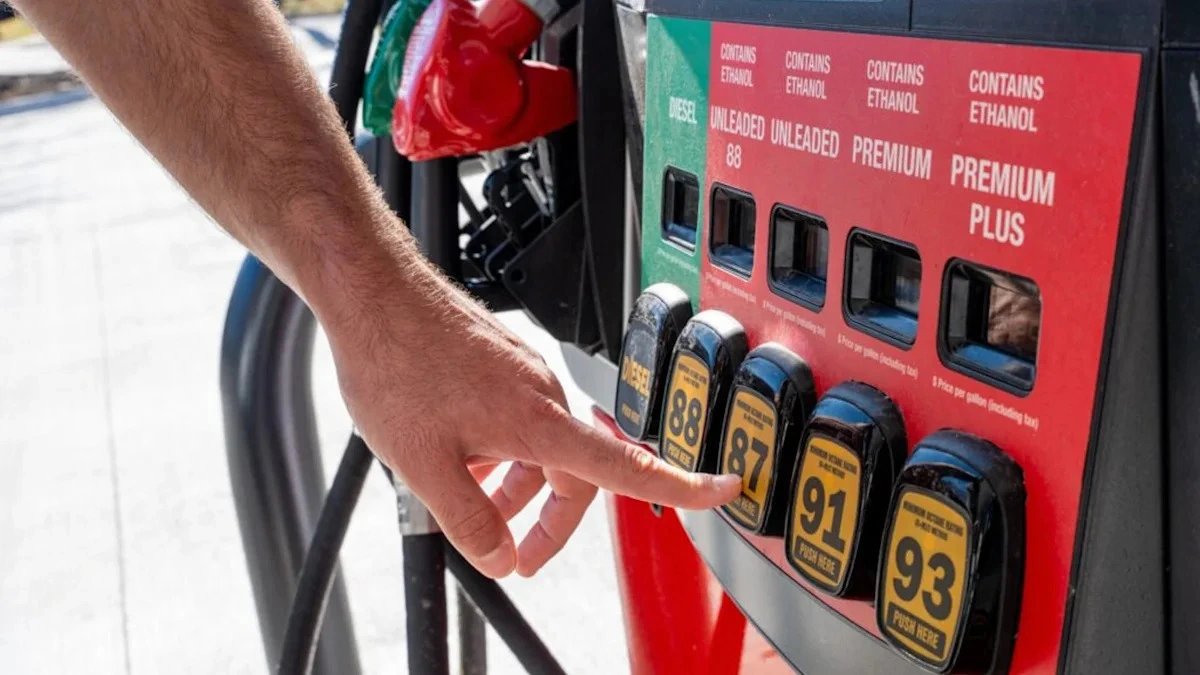
With oil approaching $100 a barrel, gasoline could climb to $4.50 a gallon, and the Federal Reserve is on the verge of raising interest rates because energy costs are feeding inflation expectations. The average U.S. gasoline price has already topped $4.32 a gallon, 36% higher than a year ago.
Military resources are also depleted: according to CBO estimates, the conflict has consumed between half and two-thirds of U.S. stocks of certain missile defense interceptors since June 2025, and rebuilding inventories will take at least five years even with faster production.
What changed
It was previously reported that during six months of war, American consumers overpaid $100 billion for gasoline and diesel fuel, or about $763 per household. Military cost estimates have also been rising: the Pentagon cited $25 billion in late April, $29 billion in mid-May and $37.5 billion in July; by August 1 the CBO put the cost at $38 billion.
Who's affected
The global energy import bill rose by $330 billion from March to August; the European Union was hit hardest at $78 billion, followed by China ($35 billion) and India ($22 billion). It was also previously reported that gasoline prices rose in at least 145 countries, with the sharpest increase recorded in Myanmar at 56%.
Related original articles
- 3h agoИран выдвинул шесть условий для прекращения войны с США и пригрозил более мощными ударамиAl Jazeera English
- 4d agoРасходы домохозяйств США из-за войны с Ираном достигли $1760 на семьюCNBC Technology
- 4d agoВойна с Ираном обошлась в $38 млрд и истощила две трети перехватчиков ПРО США — CBODefense News
- 6d agoВойна с Ираном добавила $115 млрд к энергозатратам США — экономист Moody'sYahoo Finance