Orban's Exit Signals Shift in Hungary-EU Relations
This digest was compiled by AI from multiple sources — links to the originals are below.
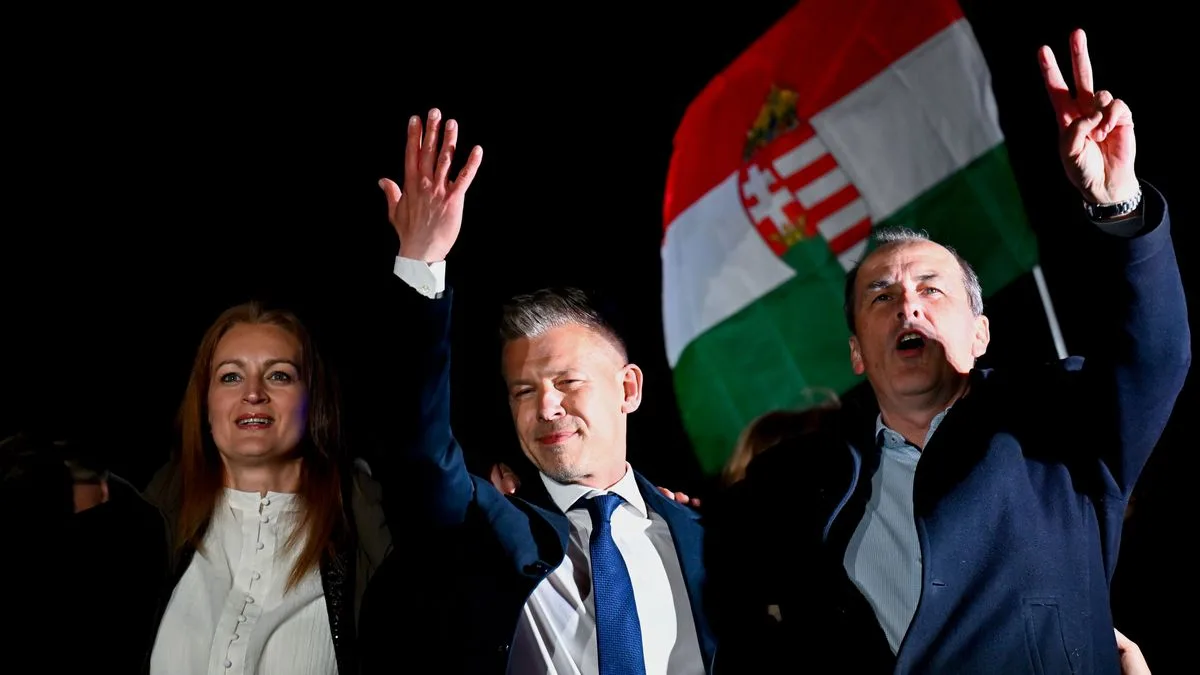
Hungary's Prime Minister Viktor Orban's departure marks a potential shift in the country's relations with the European Union. This development may lead to increased diplomatic and economic collaboration. The change comes even as tensions have persisted over Hungary's EU policies.
Orban's Departure
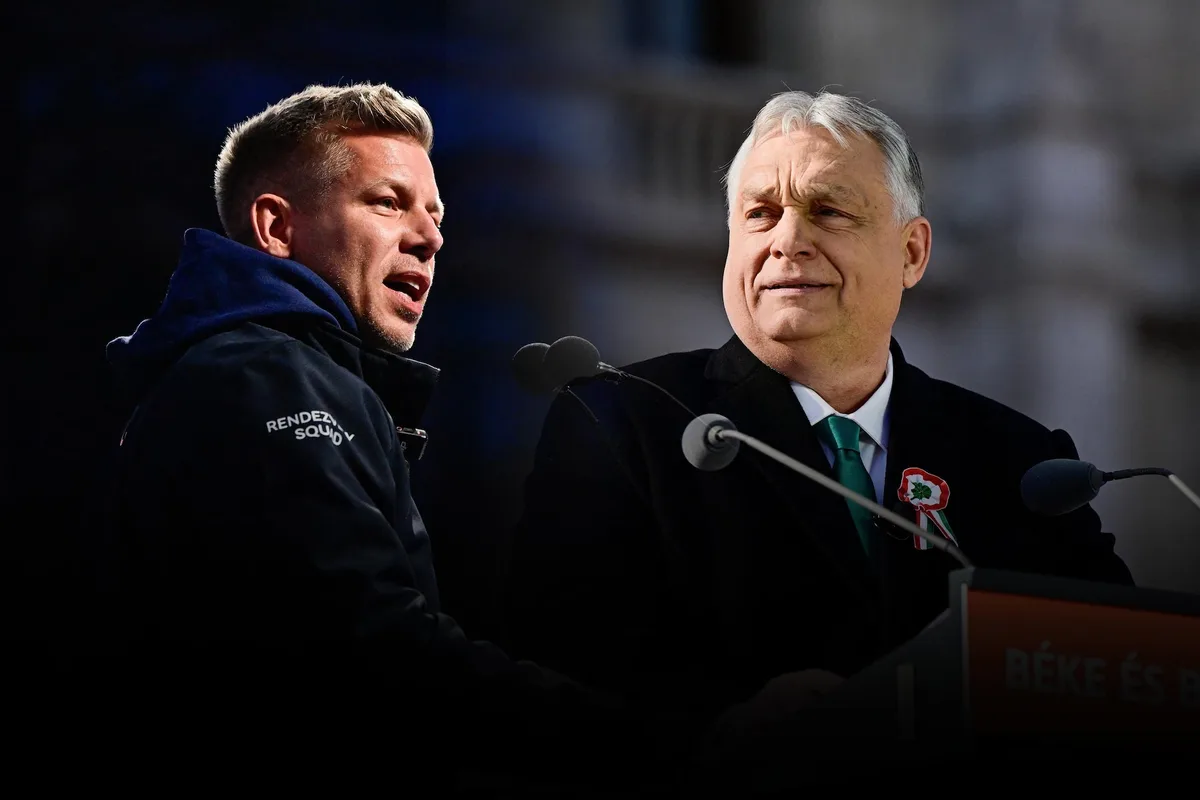
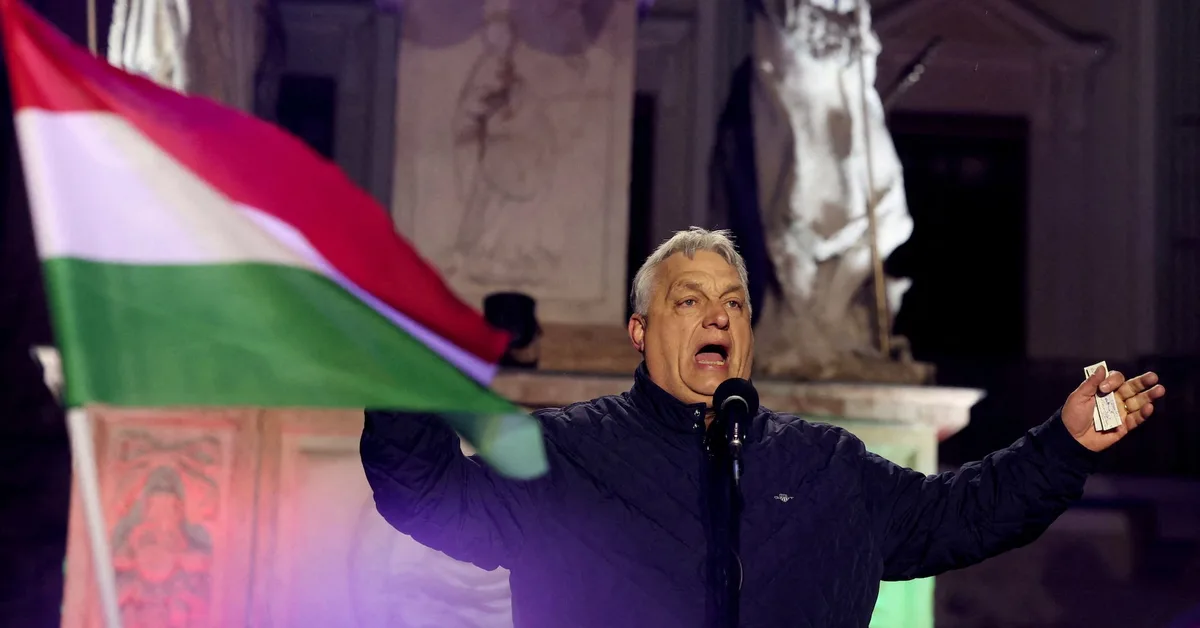
Viktor Orban, Hungary's long-serving Prime Minister, has announced his departure, signaling a potential change in the country's stance towards the European Union. Orban's leadership has been marked by frequent clashes with EU institutions over issues such as rule of law and media freedom. His exit could pave the way for a new government more aligned with EU standards.
Potential for Collaboration
With Orban's exit, Hungary may seek to mend its strained relations with the European Union. The EU has previously withheld funds from Hungary over governance concerns. A shift in leadership could lead to renewed diplomatic and economic ties, benefiting both Hungary and the broader EU community.
EU Flag Symbolism
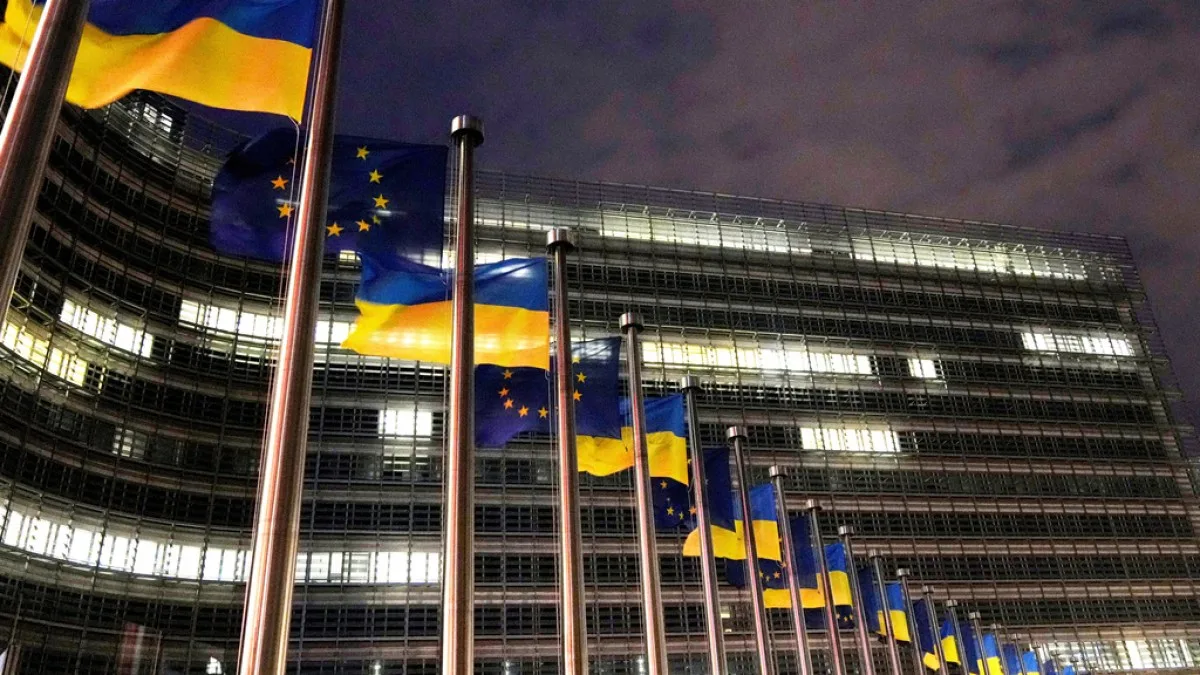
The European Union flag was raised alongside the Hungarian national flag outside parliament, signaling a potential shift in Hungary's confrontational stance with Brussels. FRANCE 24 International Affairs Editor Shirley Sippon noted the change comes after years of disputes over rule of law and media freedom.
Orbán's 2026 Defeat
Viktor Orbán was defeated in April 2026 after sixteen years in power. He is considered a "godfather" of the western far-right, with his "illiberal" strategies adopted across Europe and beyond.
What's Next
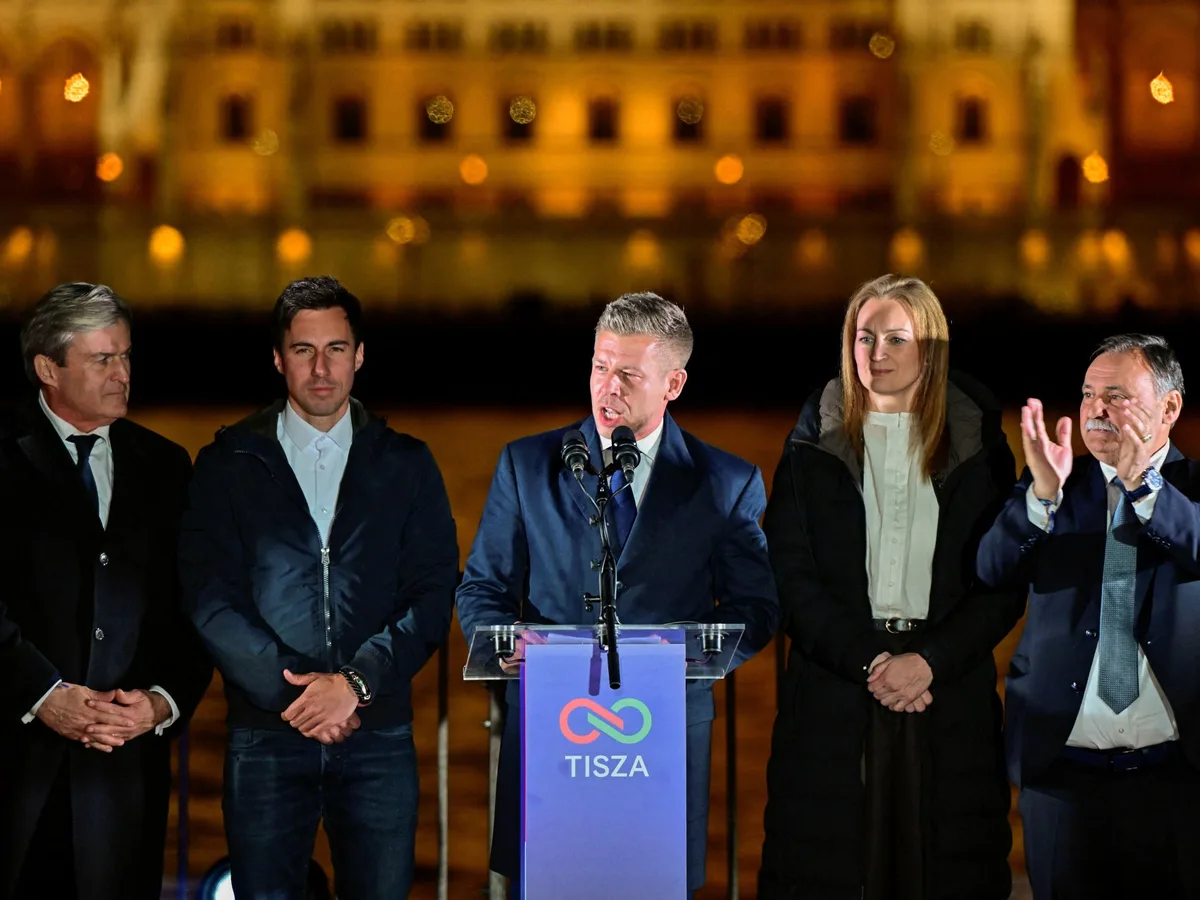
The European Union is expected to engage with Hungary's new leadership in upcoming talks. It remains unclear how quickly relations will improve or what concessions may be required.
3 sources
Orban's Exit Signals Shift in Hungary-EU Relations