Kazakhstan's Real Wages Decline 3.2% as Inflation Pressures Persist
This digest was compiled by AI from multiple sources — links to the originals are below.
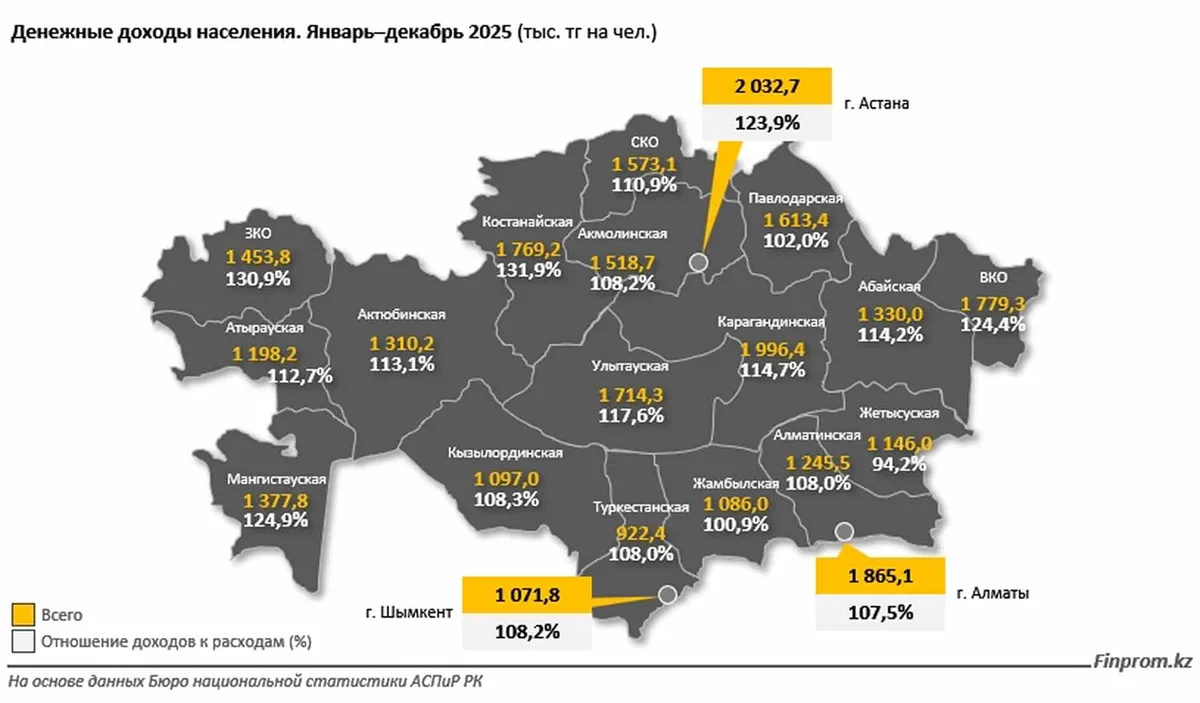
Kazakhstan's average monthly wage reached 473,158 tenge in Q4 2025, according to the Bureau of National Statistics. Despite a nominal increase of 8.8%, real wages fell by 3.2%, indicating reduced purchasing power. This decline occurs even as inflation continues to erode income growth.
Wage and Inflation Dynamics
The Bureau of National Statistics reported that Kazakhstan's average monthly wage in Q4 2025 was 473,158 tenge. While nominal wages increased by 8.8%, real wages decreased by 3.2%, highlighting the impact of inflation on purchasing power. Inflation remains a significant factor affecting the standard of living, as it offsets income growth.
Tax and Income Redistribution
In Kazakhstan's market economy, the state plays a crucial role in shaping the macroeconomic environment. With a monthly salary of 1 million tenge, approximately 19.5% or 2.3 million tenge annually is directed to the state through taxes. This equates to about 2 months and 7 days of work per year solely to meet state obligations, reducing personal consumption and savings.
Shadow Labor Market Growth
The Ministry of National Economy reported a rising trend of employers paying salaries in cash to avoid taxes, pushing workers into the informal economy. This practice deprives employees of social guarantees such as maternity leave, sick leave, and disability benefits, leaving them with only minimum state support.
Auto Loan Issuance Decline
New auto loan issuance in Kazakhstan fell by over 37% in the first half of 2025. Stricter borrower solvency assessment rules took effect on July 1, contributing to the decline.
What's Next
The government faces pressure to address inflation's impact on real wages. It remains uncertain how policy adjustments will balance economic growth and inflation control.
3 sources
Kazakhstan's Real Wages Decline 3.2% as Inflation Pressures Persist