Fed reports elevated inflation as US-Israel military actions impact oil prices
This digest was compiled by AI from multiple sources — links to the originals are below.
The Federal Reserve's preferred inflation measure indicated persistent pricing pressures in February. This comes as the US and Israel's military actions against Iran have led to an oil shock. Inflation concerns persist even as geopolitical tensions rise.
Inflation Data
The Federal Reserve's preferred inflation gauge, the Personal Consumption Expenditures (PCE) price index, showed a rise in pricing pressures for February. The index, which excludes volatile food and energy prices, increased by 0.3% from the previous month. The annual rate stood at 4.6%, according to the US Bureau of Economic Analysis. This data underscores ongoing inflationary challenges faced by the US economy.
Geopolitical Tensions
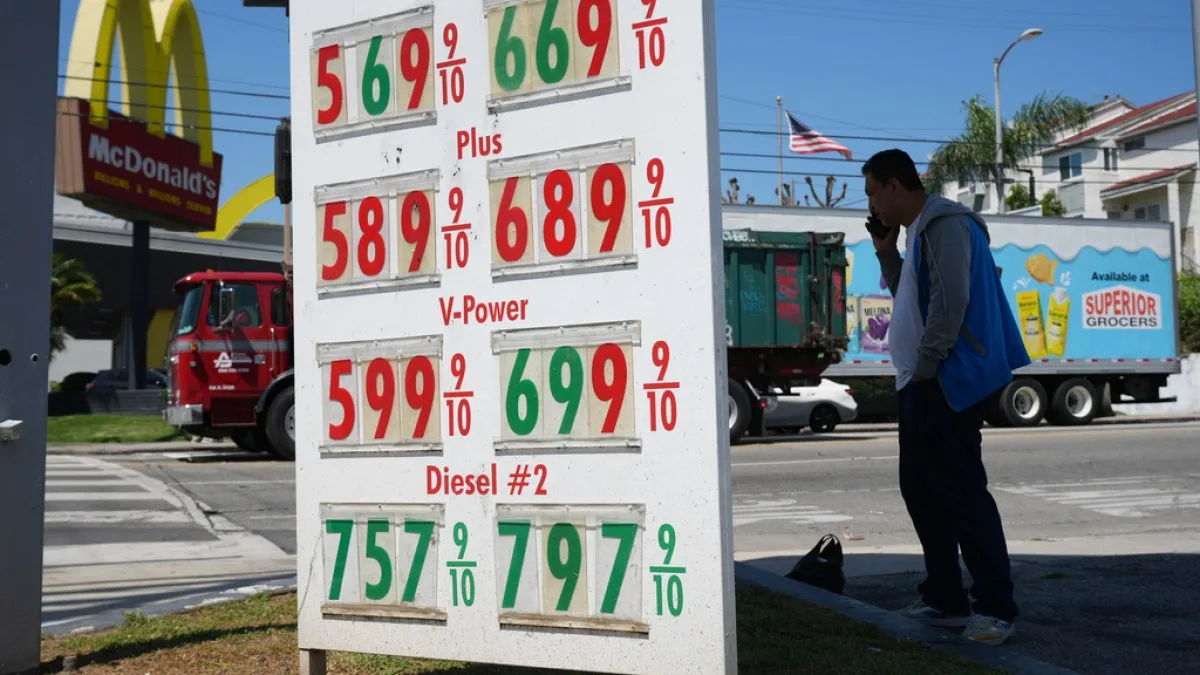
The recent military actions by the United States and Israel against Iran have intensified geopolitical tensions. These actions have led to disruptions in oil supplies, causing an oil shock. The price of Brent crude surged past $90 per barrel, as reported by Bloomberg. The situation has raised concerns about further inflationary pressures due to increased energy costs.
Federal Reserve Inflation Target
The Federal Reserve maintains a 2% inflation target as its ideal rate for price stability. This target is part of a strategic policy known as 'anchoring,' which helps manage economic expectations and guide monetary policy decisions. The 2% goal is considered crucial for sustaining economic growth and maintaining consumer confidence.
What's Next
The Federal Reserve is scheduled to meet next week to discuss monetary policy. It remains unclear how the ongoing geopolitical tensions will influence their decision-making process.
2 sources
Fed reports elevated inflation as US-Israel military actions impact oil prices