Airlines use ILS for safe landings amid poor visibility
This digest was compiled by AI from multiple sources — links to the originals are below.

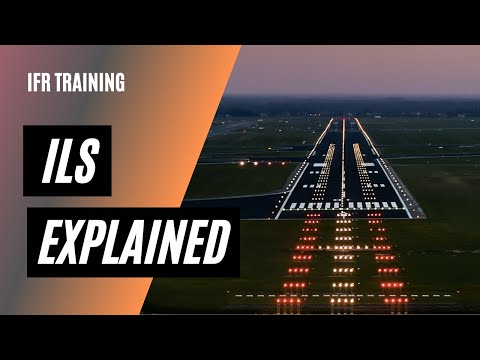
Airlines employ Instrument Landing Systems (ILS) to ensure safe landings in low visibility conditions. This technology allows pilots to navigate accurately during fog or rain. Even as weather challenges persist, ILS provides a reliable solution for landing aircraft.
Instrument Landing Systems
Instrument Landing Systems (ILS) are critical for guiding aircraft during landing in adverse weather conditions. The system provides pilots with precise lateral and vertical guidance, ensuring alignment with the runway. Airports worldwide, including major hubs like Heathrow and JFK, are equipped with ILS to maintain operational safety. The system's reliability is underscored by its widespread adoption, with over 1,200 installations globally.
Pilot Navigation and Safety
Pilots rely on ILS to navigate safely when visibility is compromised by fog or rain. The system's signals are interpreted by onboard instruments, allowing for accurate descent and landing. Airlines such as Lufthansa and Delta emphasize the importance of ILS in their safety protocols. Despite technological advancements, human oversight remains crucial, with pilots trained to handle potential system failures.
What's Next
The aviation industry continues to explore advancements in landing technology. It remains uncertain how quickly new systems will be integrated into existing infrastructure.
1 source
Airlines use ILS for safe landings amid poor visibility