Kazakhstan amends constitution amid power consolidation concerns
This digest was compiled by AI from multiple sources — links to the originals are below.
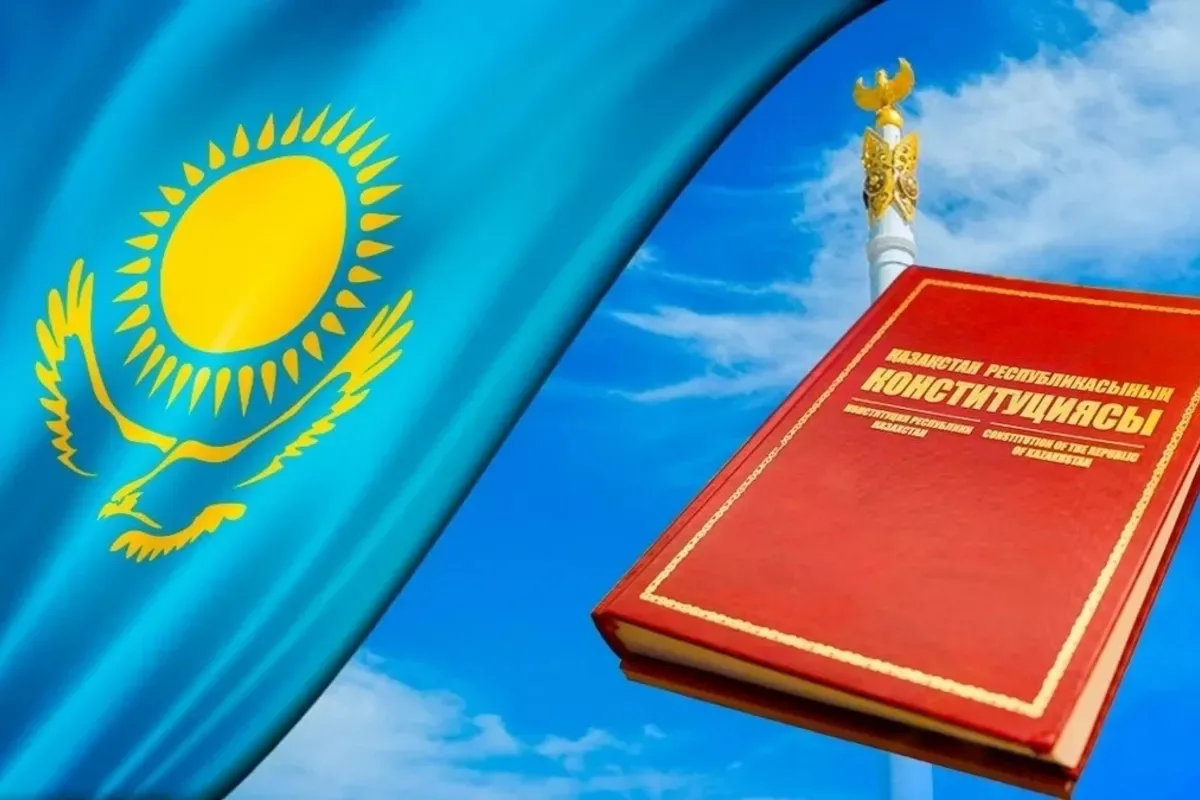
Kazakhstan has introduced amendments to its constitution, sparking debate over potential power consolidation. The changes have raised concerns among observers about the true intent behind the reforms. This development occurs even as the government promotes the amendments as democratic progress.
Constitutional Amendments
Kazakhstan's government has enacted a series of constitutional amendments, which officials claim will enhance democratic governance. The amendments include changes to the powers of the presidency and the parliament. President Kassym-Jomart Tokayev has been a central figure in promoting these changes. Critics argue that the amendments may instead consolidate power within the executive branch. The changes come as Kazakhstan seeks to project an image of reform on the international stage.
Reactions and Concerns
The amendments have elicited mixed reactions from both domestic and international observers. Human rights organizations, including Human Rights Watch, have expressed skepticism about the reforms' true intentions. Some political analysts fear that the changes could undermine checks and balances within the government. The European Union has called for transparency in the implementation of these amendments. Despite official assurances, the debate over the potential impact on political freedoms continues.
What's Next
Kazakhstan's parliament is expected to review the implementation of the amendments in the coming months. It remains unclear whether these changes will lead to genuine democratic progress or further entrench existing power structures.
1 source
Kazakhstan amends constitution amid power consolidation concerns