Nature identifies brain atrophy risk in neurological diseases
This digest was compiled by AI from multiple sources — links to the originals are below.
Nature publishes findings on brain atrophy linked to neurological diseases. The study highlights early detection through decreased brain volumes and increased NfL levels. This discovery emerges even as diagnosis methods remain limited.
Study Findings
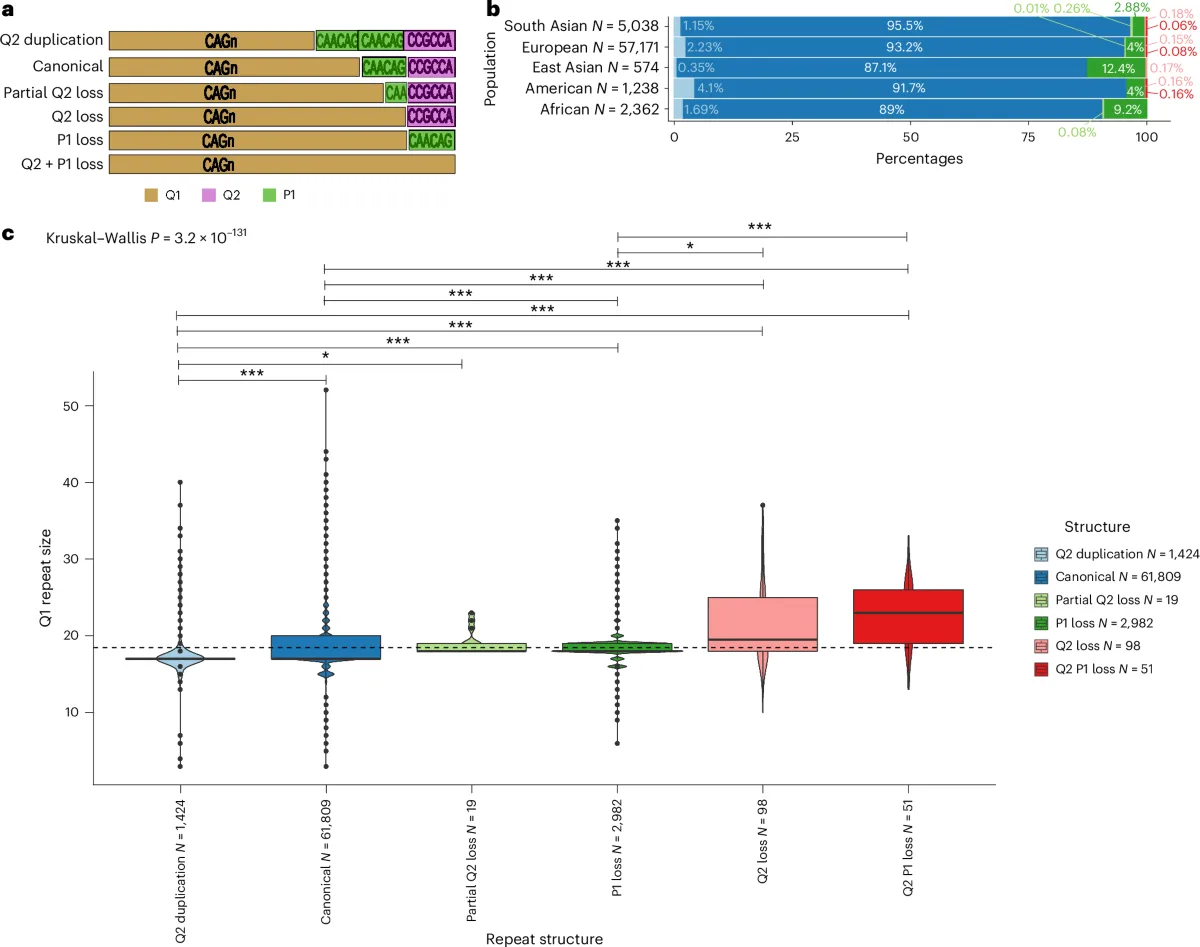
The study, published in Nature, reveals that decreased brain volumes and increased neurofilament light (NfL) levels are detectable before the diagnosis of short-tandem-repeat-associated neurological diseases. Researchers utilized population-scale data to identify these markers. The findings suggest potential for earlier intervention in conditions such as Huntington's disease.
Implications for Diagnosis
The research indicates that these biomarkers could lead to earlier diagnosis and treatment strategies. Current diagnostic methods often miss early signs of brain atrophy. The study involved collaboration between multiple research institutions, including the University of Cambridge and the National Institutes of Health.
Shrew Brain Shrinkage Studied
The Eurasian common shrew (Sorex araneus) intentionally shrinks its brain each winter, a phenomenon under investigation by Alzheimer's researchers. This seasonal brain reduction, occurring in an animal weighing 5 to 12 grams, may offer insights into neurodegenerative disease mechanisms.
What's Next
Further research is expected to explore the application of these findings in clinical settings. It remains uncertain how quickly these biomarkers can be integrated into standard diagnostic procedures.
2 sources
Nature identifies brain atrophy risk in neurological diseases