Nature study reveals equatorial tree facilitation amid global competition
This digest was compiled by AI from multiple sources — links to the originals are below.
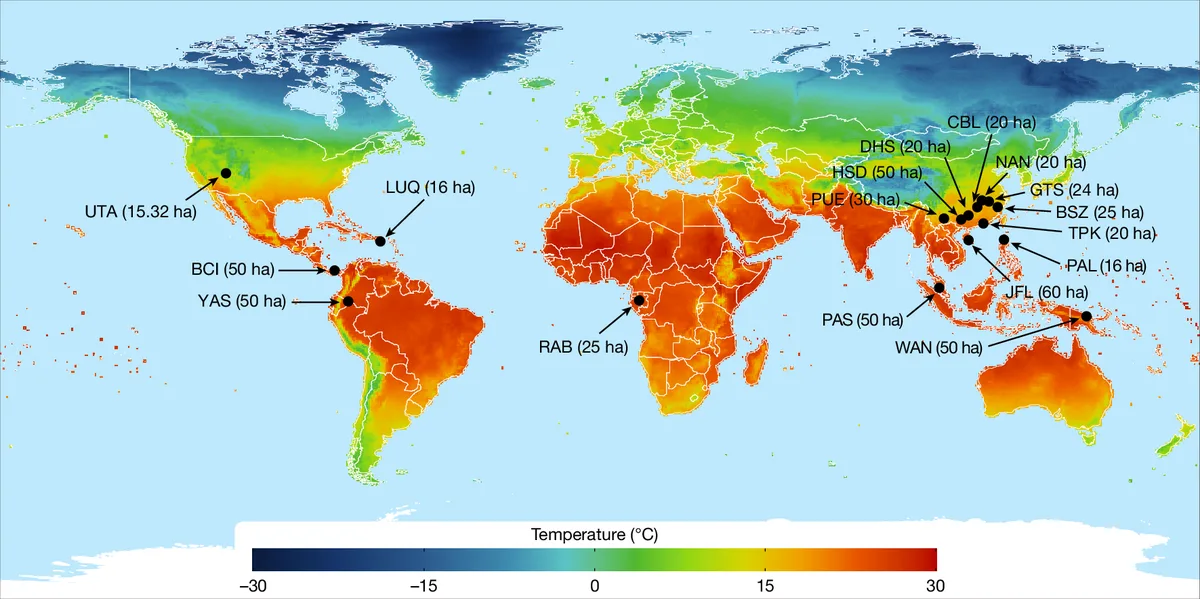
A study published in Nature analyzed 2.7 million trees across 17 forest plots, finding that competition is dominant globally. However, facilitation is more pronounced near the equator. This pattern is linked to temperature and ecological interactions.
Study Findings
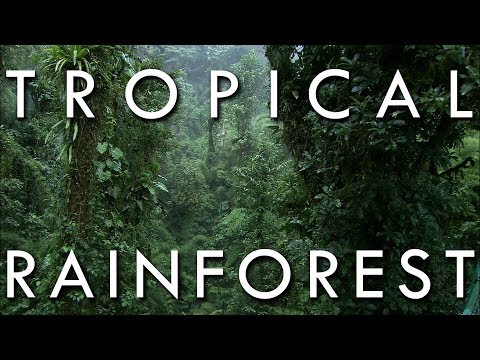
The research, involving 2.7 million trees and 5,400 species, was conducted across 17 forest plots. It revealed that competition is the prevailing interaction among trees globally. However, facilitation, where trees support each other's growth, was notably stronger near the equator. This trend was partially attributed to factors such as temperature, legumes, and mycorrhizal associations.
Geographical Variation
The study highlighted that facilitation declines towards higher latitudes. Near the equator, ecological interactions like the canopy nursing effect are more prevalent. These interactions are influenced by climatic conditions, which vary significantly with latitude. The findings suggest a complex interplay between environmental factors and tree interactions.
Conservation Efforts in Equatorial Guinea
Charleston-based conservation biologist Justin Jay is actively working to protect the drill monkey species in Equatorial Guinea. As a College of Charleston alumnus, Jay has recently completed a documentary aimed at educating the local population about the importance of conserving this endangered species.
Vegetation and Soil Erosion
Plants prevent soil erosion by breaking the impact of raindrops and stabilizing soil with root systems. This process retains nutrients and maintains soil structure.
New Ocean Formation in Africa
A 60-kilometer crack opened in the Ethiopian desert, signaling the formation of a new ocean. The African continent is splitting apart along the East African Rift, a process that will eventually create a separate landmass. This geological event is expected to take millions of years to complete.
What's Next
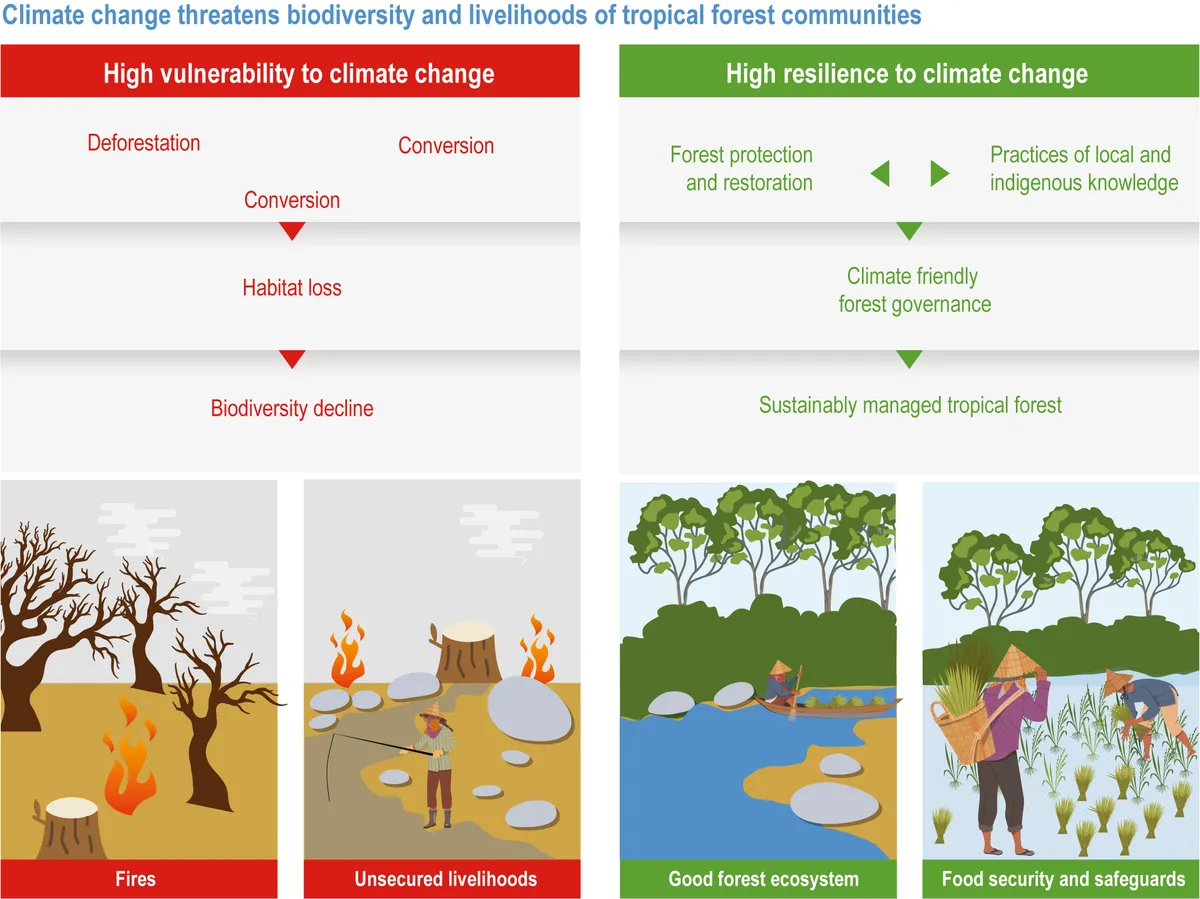
Further research is needed to explore the implications of these findings on forest management. It remains uncertain how climate change might alter these ecological interactions.
4 sources
Nature study reveals equatorial tree facilitation amid global competition