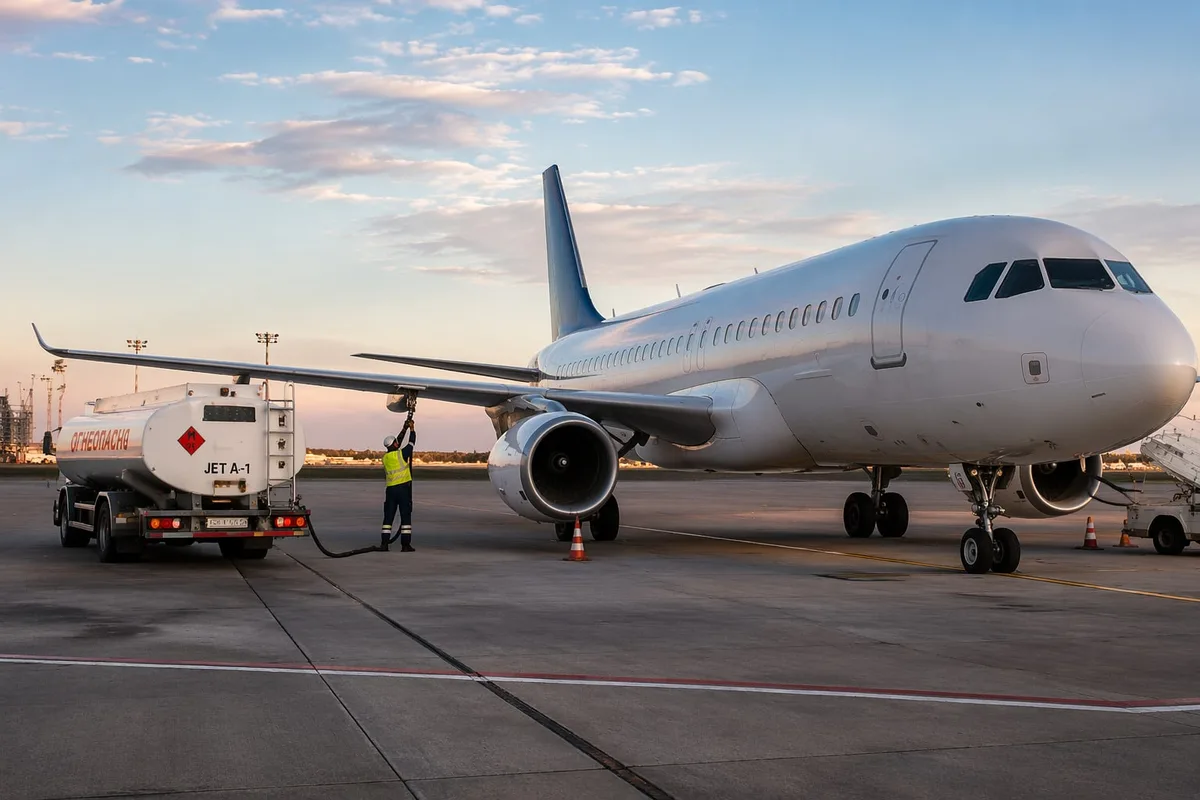
IATA warns of prolonged jet fuel shortage amid Strait of Hormuz tensions
This digest was compiled by AI from multiple sources — links to the originals are below.
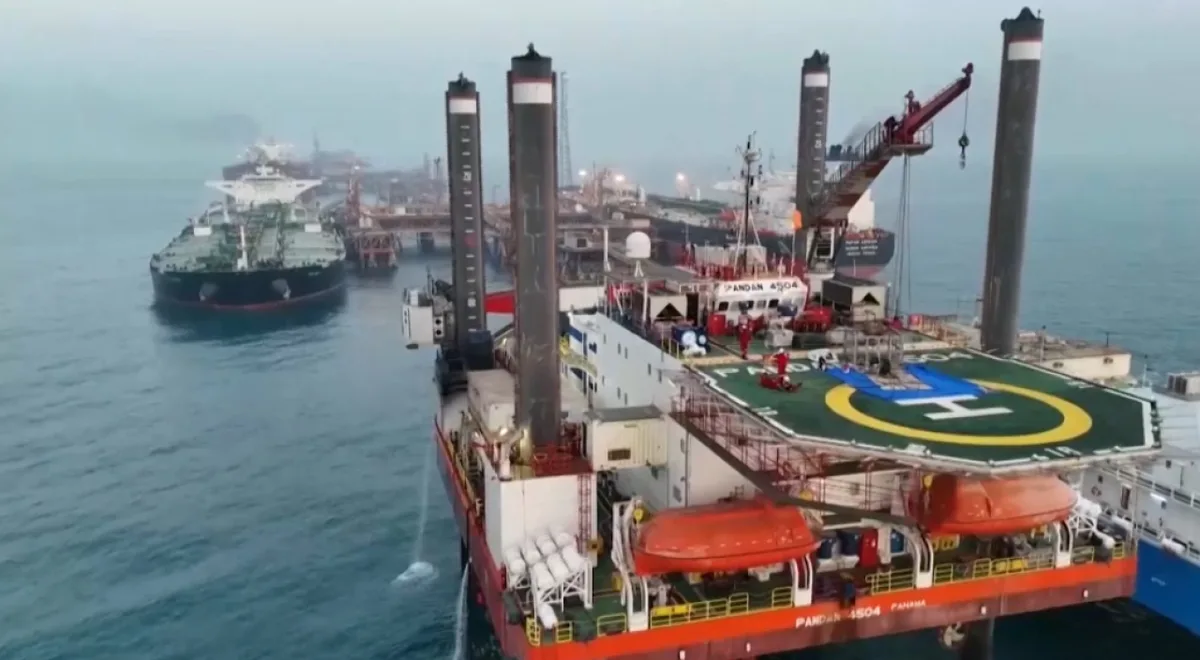
The International Air Transport Association (IATA) warns that jet fuel shortages may persist for months. This comes even as the Strait of Hormuz reopens. Airlines face operational challenges amid ongoing supply disruptions.
Jet Fuel Supply Challenges
The International Air Transport Association (IATA) has indicated that the restoration of jet fuel supplies could take several months. This delay persists despite the reopening of the Strait of Hormuz, a critical chokepoint for global oil transport. Airlines are experiencing significant operational disruptions as they navigate these supply challenges.
Impact on Airlines
Airlines worldwide are adjusting flight schedules and routes due to the ongoing fuel shortages. The shortage has led to increased operational costs and logistical complexities. Major carriers, including Emirates and Qatar Airways, are actively seeking alternative fuel sources to mitigate the impact.
Impact on Global Trade
The ongoing jet fuel shortage and supply chain disruptions are likely to affect global trade. As airlines face operational challenges, the cost of air travel and freight may increase, potentially impacting international commerce.
Budget Airlines Under Pressure
The International Air Transport Association has warned that the ongoing Middle East conflict is putting significant pressure on the aviation industry, particularly low-cost carriers. Disruptions to air corridors are exacerbating fuel supply challenges.
What's Next
The aviation industry is closely monitoring fuel supply developments. It remains uncertain how quickly normal supply levels can be restored.
3 sources
IATA warns of prolonged jet fuel shortage amid Strait of Hormuz tensions