Scientists identify tectonic fragment affecting earthquakes in Kazakhstan
This digest was compiled by AI from multiple sources — links to the originals are below.
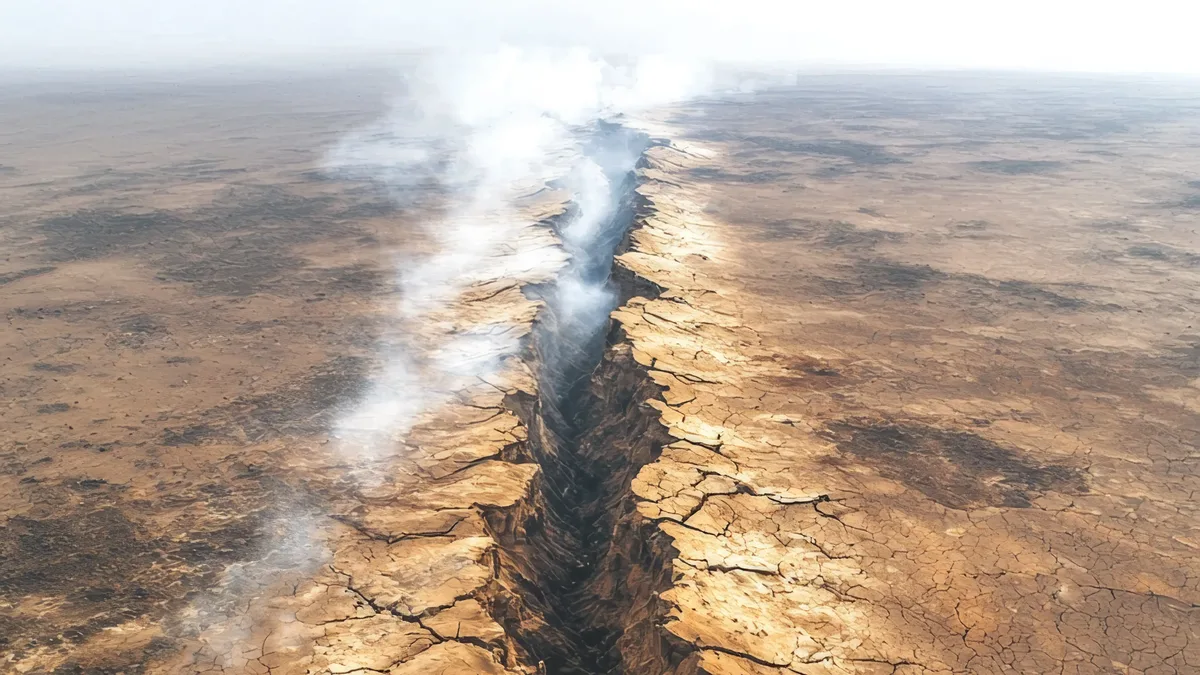
Scientists have discovered a tectonic plate fragment in Kazakhstan that may influence earthquakes. The finding could impact seismic activity predictions in the region. This discovery comes amid ongoing research into earthquake prevention.
Tectonic Fragment Discovery
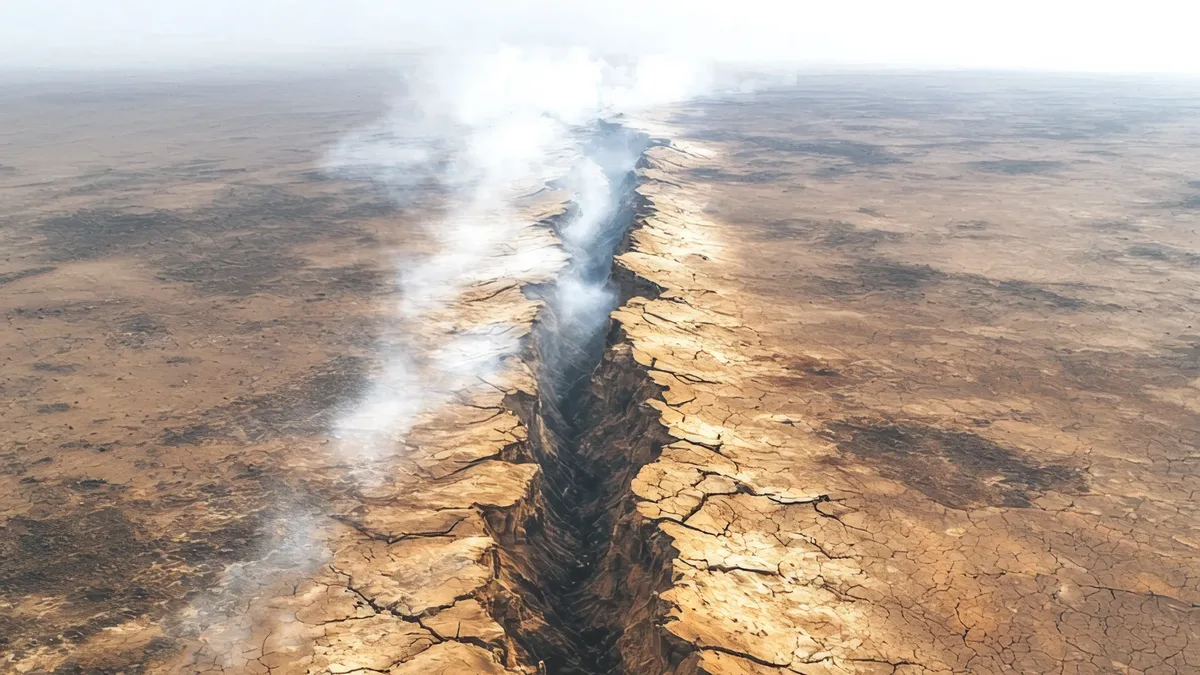
Researchers in Kazakhstan have identified a fragment of a tectonic plate that could play a significant role in the region's seismic activity. The discovery was made during a geological survey conducted by a team of scientists from the Kazakh National Research Institute. The fragment's characteristics suggest it may contribute to earthquake patterns observed in the area.
Implications for Seismic Activity
The newly identified tectonic fragment could alter existing models used to predict earthquakes in Kazakhstan. The Kazakh Ministry of Emergency Situations is evaluating the potential impact on current safety protocols. This finding adds complexity to the understanding of seismic risks in Central Asia, where several fault lines intersect.
Pangaea Breakup Timeline
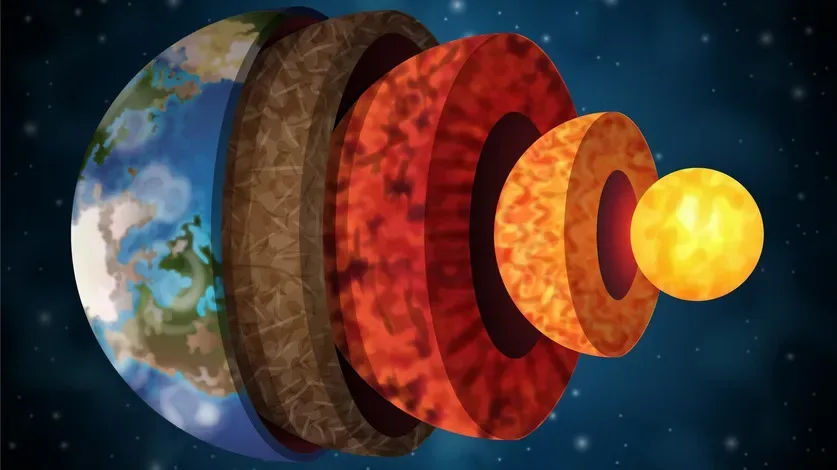
The supercontinent Pangaea existed around 335 million years ago and began breaking apart about 175 million years ago due to tectonic plate movements. This process formed the Atlantic Ocean and reshaped continents into their current positions, altering Earth's geography and climate.
What's Next
The Kazakh National Research Institute plans further studies to assess the fragment's impact. It remains uncertain how this discovery will influence future earthquake preparedness strategies.
2 sources
Scientists identify tectonic fragment affecting earthquakes in Kazakhstan