Nature examines AI's opaque processes amid human cognitive transparency
This digest was compiled by AI from multiple sources — links to the originals are below.
Nature publishes a study on April 7, 2026, comparing AI and human cognitive processes. The study highlights AI's opaque decision-making as a key difference. This comes even as AI's role in decision-making expands globally.
AI Decision-Making
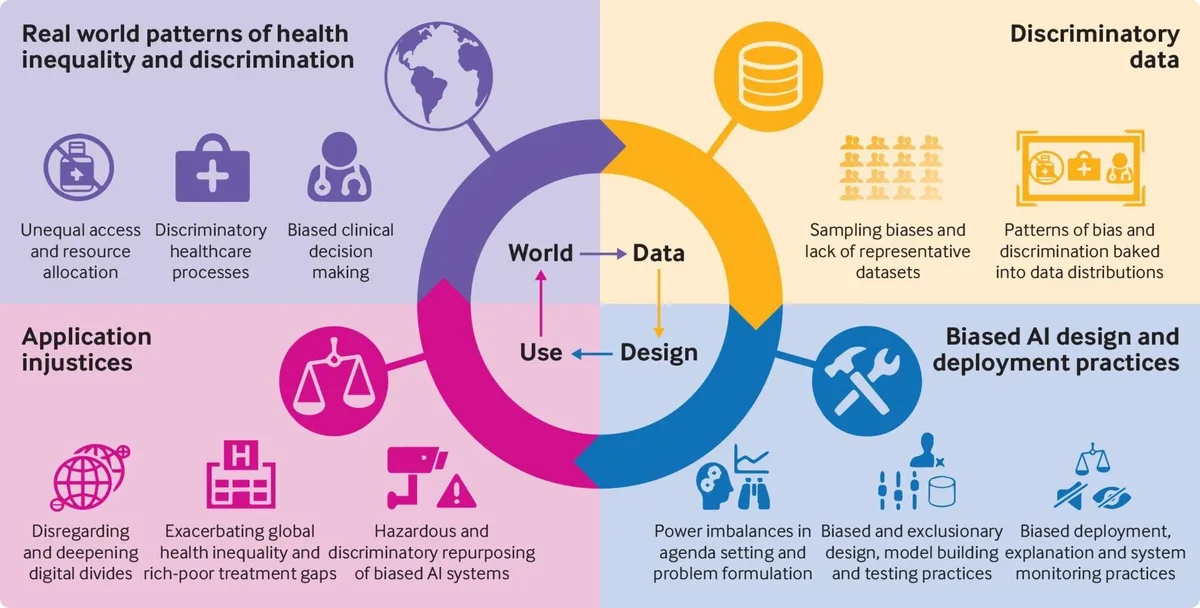
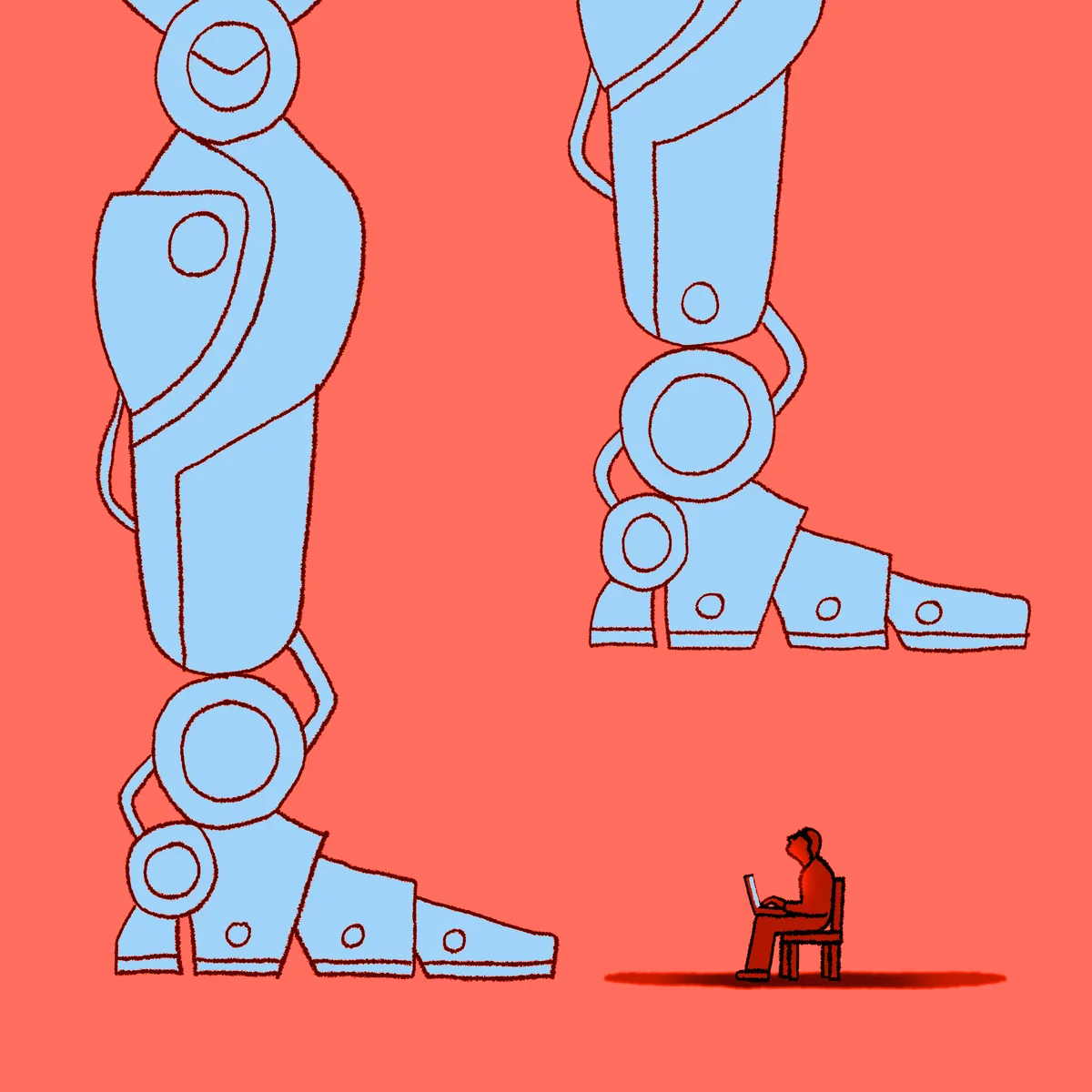
The study published by Nature highlights the opaque nature of AI decision-making processes. Unlike human cognition, AI systems often operate as 'black boxes', where the reasoning behind decisions is not easily understood. Researchers from the University of Oxford and MIT contributed to the study, emphasizing the challenges this poses for accountability. The study notes that AI systems are increasingly used in critical sectors, including healthcare and finance, where transparency is crucial.
Human Cognitive Transparency
In contrast, the study points out that human cognitive processes, while complex, are generally more transparent and interpretable. Cognitive scientists from Stanford University and the Max Planck Institute participated in the research, providing insights into how human decision-making can be traced and understood. The study cites examples from psychological experiments where human reasoning is analyzed, offering a clearer path to understanding compared to AI systems. This transparency is seen as vital for ethical and informed decision-making.
Loess Plateau Soil Erosion
The Loess Plateau faces severe soil erosion due to loose, porous soil with vertical fissures and concentrated precipitation. Natural factors, combined with human activities, exacerbate the problem.
What's Next
The study's findings are expected to influence future AI policy discussions. It remains uncertain how industries will address the transparency challenges posed by AI.
2 sources
Nature examines AI's opaque processes amid human cognitive transparency