Strait of Hormuz Disrupts Oil Supply as Tensions Escalate
This digest was compiled by AI from multiple sources — links to the originals are below.
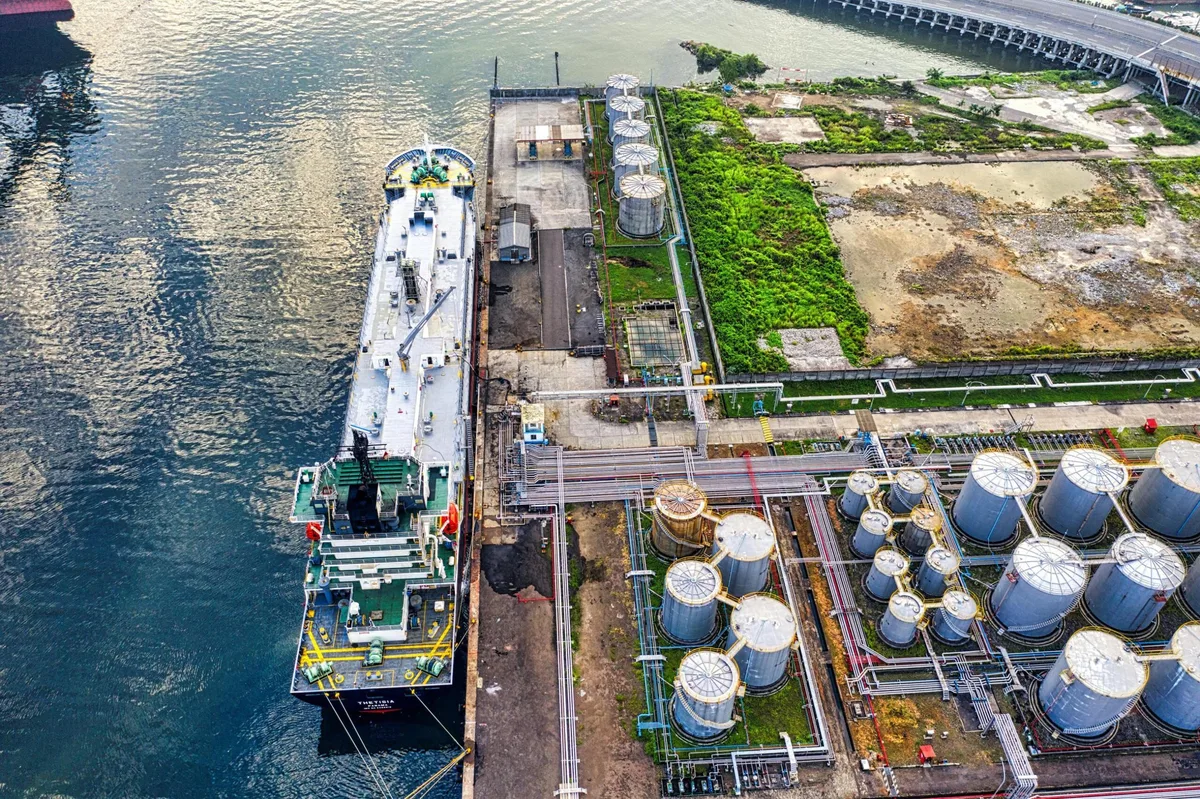
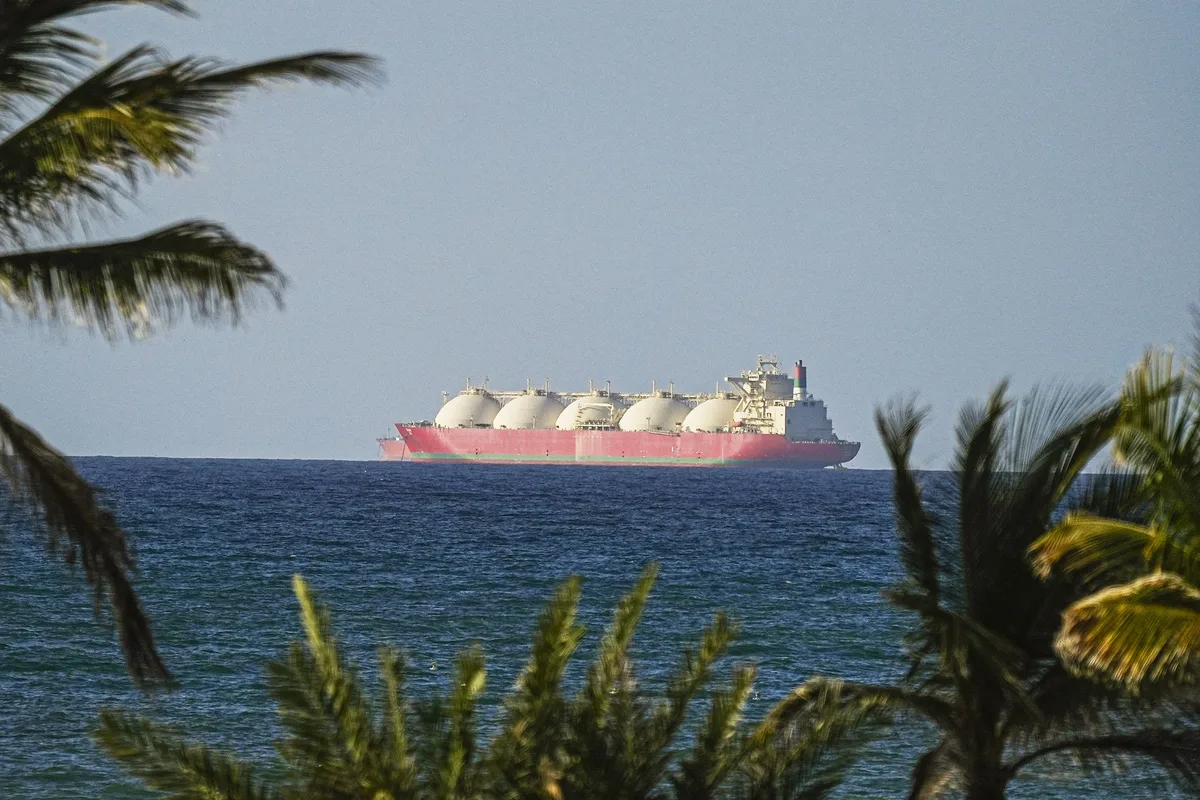
The Strait of Hormuz is impacting global oil and LNG supply, with one-fifth of the world's supply passing through it daily. This disruption is affecting markets across the Asia-Pacific region. Tensions rise even as countries seek alternative routes.
Strait of Hormuz
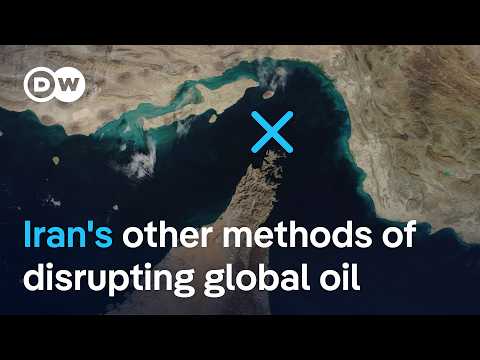
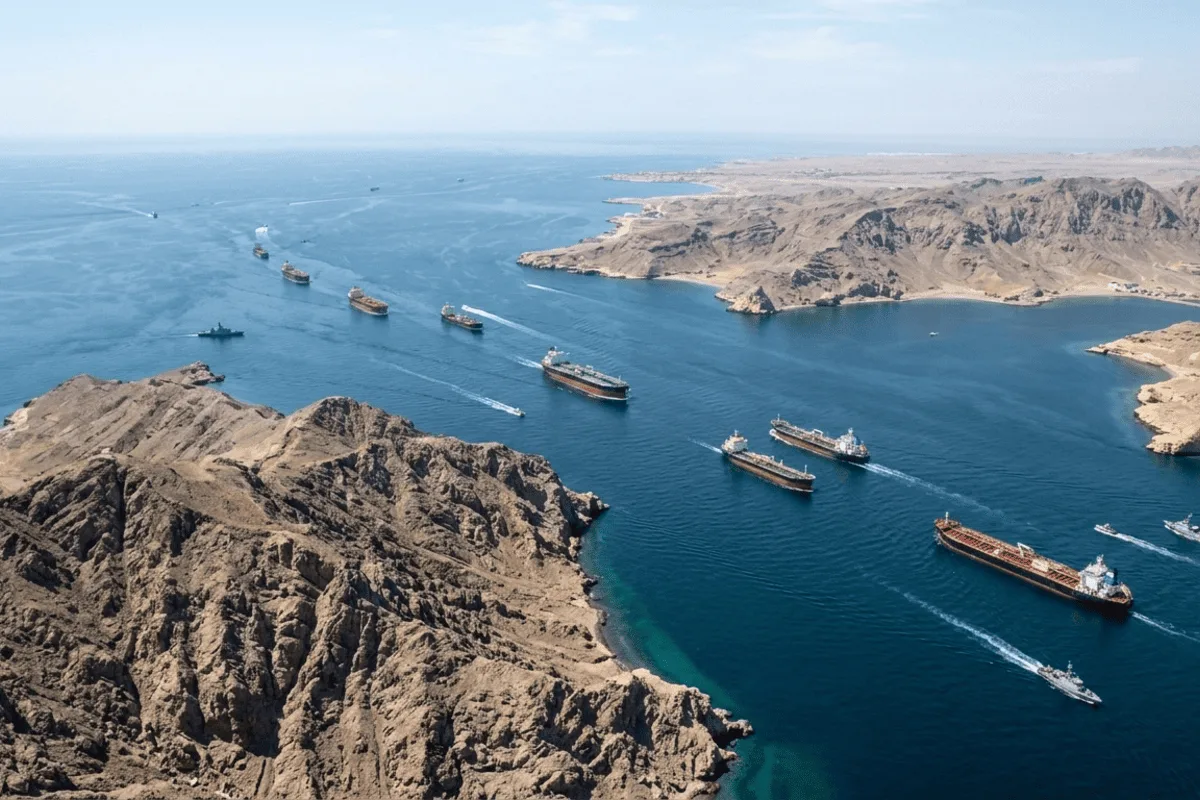
The Strait of Hormuz is a critical chokepoint for global energy supplies, with about 20% of the world's oil and LNG passing through it daily. The narrow waterway is strategically significant, connecting the Persian Gulf with the Gulf of Oman and the Arabian Sea. Nearly 90% of the crude oil passing through the strait is destined for Asian markets, including China, Japan, and India.
Impact on Asia-Pacific Markets
The disruption in the Strait of Hormuz is causing ripples across the Asia-Pacific region, affecting energy prices and supply chains. Countries like Japan and South Korea, heavily reliant on Middle Eastern oil, are experiencing increased market volatility. The situation is prompting regional powers to explore alternative energy routes and sources to mitigate risks.
Trump's Stance and Economic Warning
Former President Donald Trump stated the United States will not be involved in the Strait of Hormuz. Analysts warn that April's oil losses could double March's, curbing economic growth.
Iran Threatens All Ships
Iran has threatened to attack all ships in the region, according to Eric Sorensen of Global News. The threat escalates the risk to maritime traffic beyond military vessels, potentially disrupting all commercial shipping through the Strait of Hormuz.
What's Next
Regional leaders are set to discuss energy security strategies at the upcoming ASEAN summit. It remains unclear how quickly alternative routes can be established to stabilize the market.
3 sources
Strait of Hormuz Disrupts Oil Supply as Tensions Escalate