
India's export growth deepens reliance on Chinese components
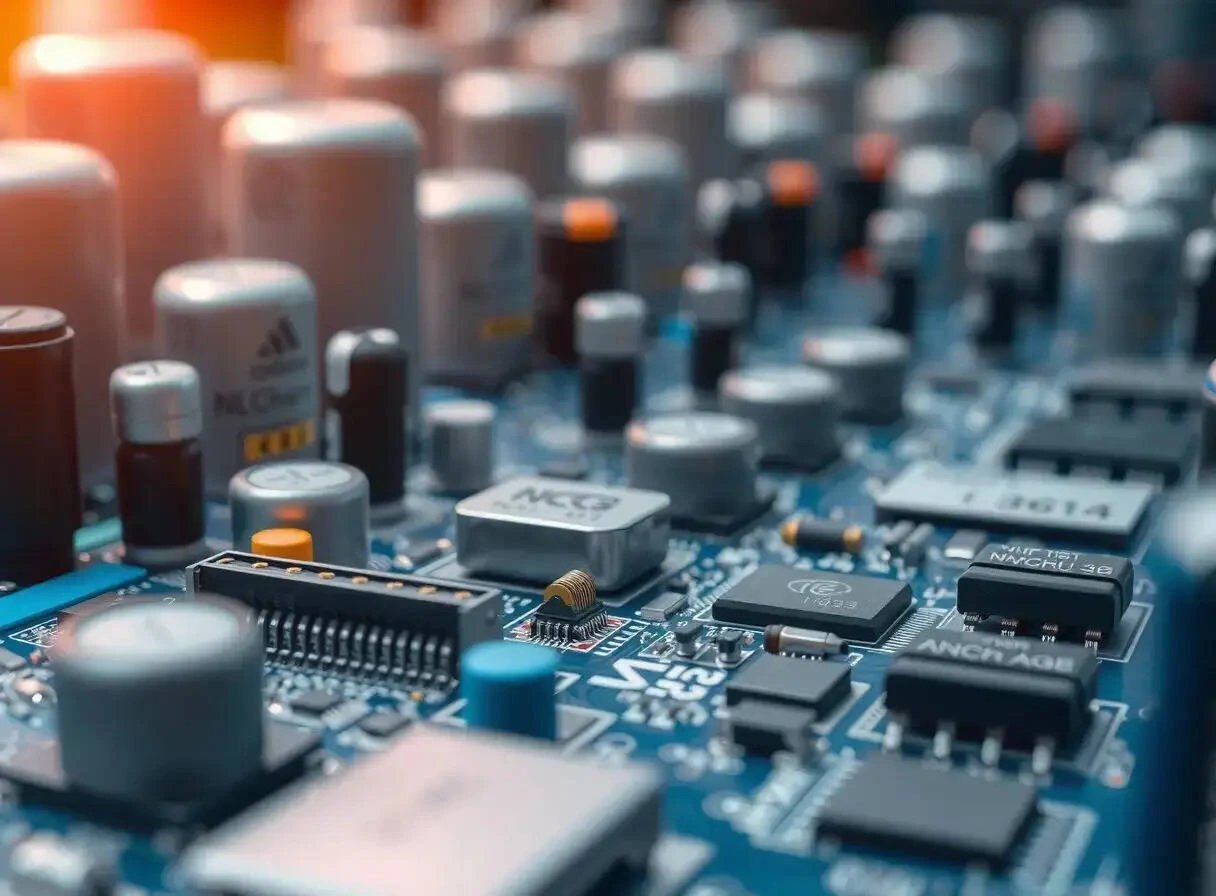
This digest was compiled by AI from multiple sources — links to the originals are below.
India's export gains are deepening its dependence on Chinese components, equipment, and raw materials. The trade deficit with China reached $91 billion by August 2026, on track to surpass last year's record of $116 billion. Diplomatic rapprochement between New Delhi and Beijing has not resolved the underlying economic imbalance.
Key Facts
- India's trade deficit with China reached $91 billion by August 2026, approaching the record $116 billion deficit recorded in 2025.
- China accounted for 28% of global manufacturing value added in 2025, compared with 3% for India, according to the World Bank.
- India's research and development spending was 0.64% of GDP in 2024, according to the latest economic survey.
- In April 2025, China introduced export licensing requirements for seven heavy rare earth elements, exposing vulnerabilities in India's automotive and defense industries.
- In 2025, Foxconn withdrew Chinese employees from its iPhone manufacturing plants in India, underscoring dependence on foreign technical specialists.
Trade Deficit and Import Dependence
India imported $116 billion more in goods from China than it exported in 2025. By August 2026, the deficit had already reached $91 billion and could surpass last year's record. A significant share of imports consists of intermediate goods critical to Indian manufacturers, including electrical and electronic equipment, machinery, and chemicals. As India increases production and exports, it often needs even more Chinese parts and materials.
Manufacturing Vulnerabilities
India has expanded electronics assembly and pharmaceutical production, but many components and production materials come from China. In April 2025, China introduced export licensing requirements for seven heavy rare earth elements, exposing vulnerabilities in India's automotive and defense industries. India's research and development spending was 0.64% of GDP in 2024, partly due to insufficient private sector funding. In 2025, Foxconn withdrew Chinese employees from its iPhone manufacturing plants in India, highlighting dependence on foreign technical specialists.
Diplomatic Rapprochement and Economic Gap
Indian Prime Minister Narendra Modi met with Chinese President Xi Jinping in New Delhi last month, Xi's first visit to India in seven years. The leaders said they intended to restore relations that deteriorated after deadly border clashes in 2020. Direct flights between Indian and Chinese cities have resumed, and Chinese visa services have become more accessible. China accounted for 16.3% of global goods exports in 2025, while India accounted for 1.7%. Diplomatic contacts alone cannot resolve the trade imbalance or mutual distrust.
1 source
Time · lag behind first