
US judge rules Flock camera tracking of citizens is mass surveillance
This digest was compiled by AI from multiple sources — links to the originals are below.
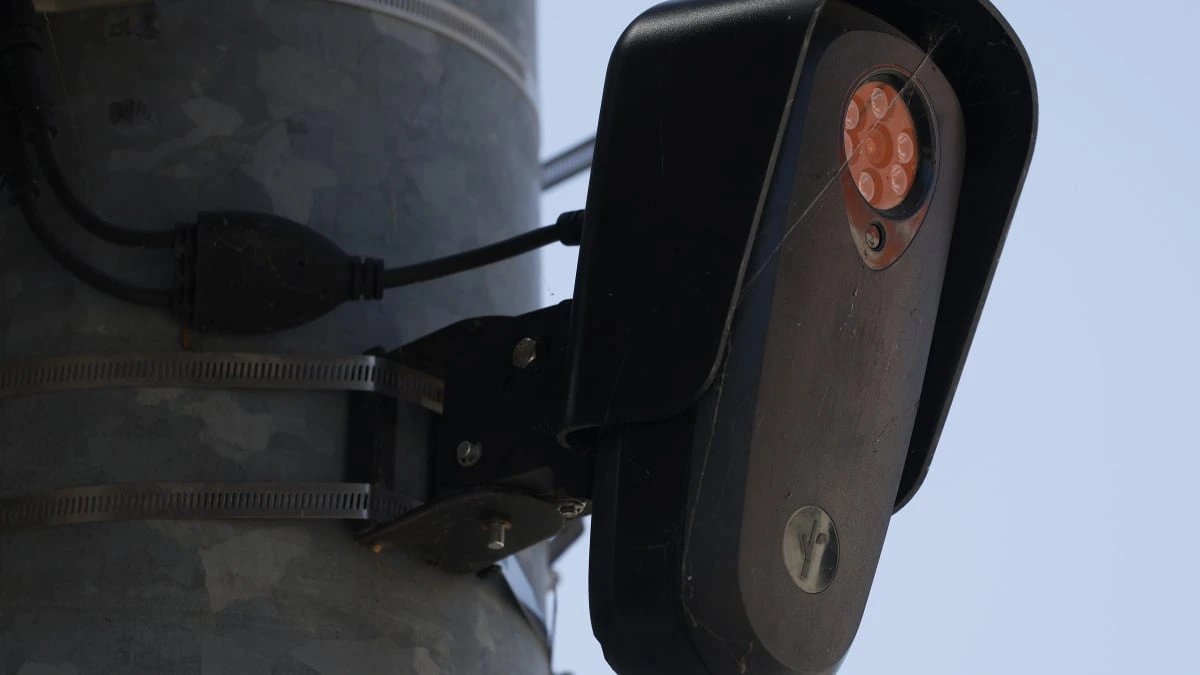
A federal judge ruled Oct. 1 that a Tulsa County deputy violated constitutional protections by using Flock cameras to track a vehicle without probable cause. The decision described the practice as "indiscriminate mass surveillance." The ruling comes as senators introduced the Ban Flock Act on Oct. 2.
Key Facts
- Federal judge Sara E. Hill ruled Oct. 1 that a Tulsa County deputy violated constitutional protections by using Flock cameras to track a vehicle without probable cause.
- The case involved Melisa Kyle, who was arrested for possession of methamphetamine with intent to distribute after her license plate was run through the Flock database.
- Senators Bernie Sanders, Alexandria Ocasio-Cortez, and Jeff Merkley introduced the Ban Flock Act on Oct. 2.
- A Flock spokesperson said the company expected the ruling to be "appealed and ultimately overturned."
The Ruling
Judge Sara E. Hill ruled that the deputy's access to Flock data without probable cause amounted to an "unconstitutional warrantless search." Hill described the police activity as "indiscriminate mass surveillance." The judge wrote that "freedom from persistent, dragnet-style surveillance while in public" is a reasonable expectation in society. Hill is a former attorney general for the Cherokee Nation.
The Case
Melisa Kyle was arrested by Oklahoma officials for possession of methamphetamine with intent to distribute. The deputy, who worked for the Drug Enforcement Administration, initially stated Kyle was pulled over for suspicious driving. It was later revealed that the officer had run her license plate through the county's Flock database and used that information as cause to stop and detain Kyle. Flock provided the officer with Kyle's recent location data, showing she had made a short trip across the state and back.
Legislative Response
Senators Bernie Sanders, Alexandria Ocasio-Cortez, and Jeff Merkley introduced the Ban Flock Act on Oct. 2. The bill includes sweeping restrictions on the use of automatic license plate readers by federal agencies. Sanders argued the company was "eviscerating the very notion of privacy." Hajar Hammado, senior policy advisor for Demand Progress, called the bill a "gold standard" for legislation against AI-enabled surveillance.
1 source
Time · lag behind first