
Uzbekistan Opens Rape Case Against Kindergarten Caretaker in Namangan
This digest was compiled by AI from multiple sources — links to the originals are below.
Uzbek authorities opened a criminal case on September 12 against a 52-year-old kindergarten caretaker suspected of raping a child under 14 in Namangan region. The Ministry of Preschool and School Education created a working group on September 26 to investigate the case. The case has sparked public debate over child safety in educational institutions.
Key Facts
- The criminal case was opened on September 12 under Part 4 of Article 118 of Uzbekistan's Criminal Code, which covers rape of a person under 14.
- The suspect, a 52-year-old kindergarten caretaker, was placed in custody.
- The child's mother said the abuse may have occurred repeatedly and that surveillance cameras in the kindergarten were not working.
- On September 26, Uzbekistan's Ministry of Preschool and School Education announced a special working group to study the circumstances of the case.
- Gulrukh Agzamova, chair of the Oliy Majlis committee on democratic institutions, said children often cannot immediately tell adults about abuse.
Criminal Case
Law enforcement agencies opened the case on September 12 under Part 4 of Article 118 of Uzbekistan's Criminal Code, which covers rape of a person under 14. The suspect, a 52-year-old kindergarten caretaker, was placed in custody. The child's mother said the abuse may have occurred repeatedly and that her daughter became more fearful and now avoids walking near the kindergarten. Relatives of the suspect allegedly tried to persuade the family to withdraw the complaint by offering money, according to local media citing the girl's family.
Institutional Response
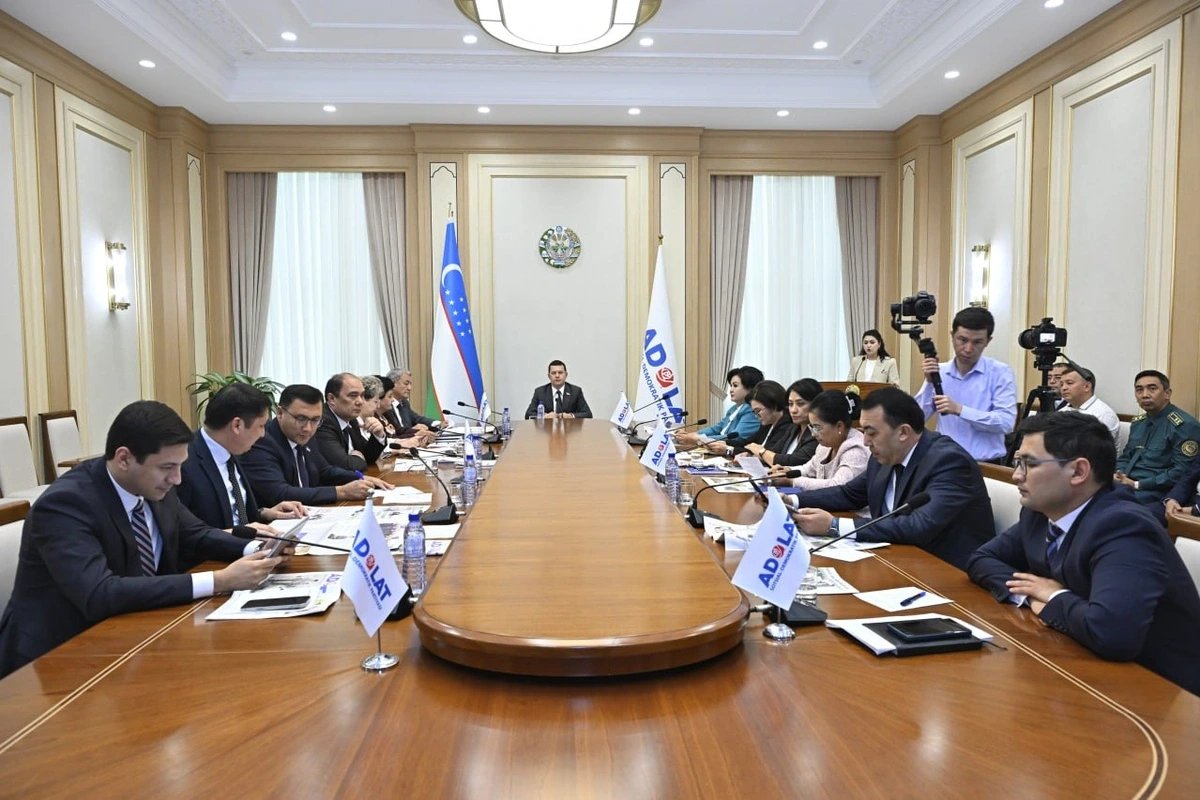
On September 26, Uzbekistan's Ministry of Preschool and School Education announced a special working group to study the circumstances of the case. The case has prompted public discussion on social media about child protection in educational institutions, including surveillance camera functionality, internal controls, staff access to children, and educators' ability to notice behavioral changes. At a session of the Legislative Chamber of the Oliy Majlis, Gulrukh Agzamova, chair of the Committee on Democratic Institutions and Civil Society Development, said children often cannot immediately tell adults about abuse. Agzamova stated that a child's inability to defend themselves only strengthens society's obligation to protect them.
Policy Debate
The Namangan case has raised questions about the effectiveness of violence prevention and child protection systems in educational institutions. Saida Mirziyoyeva, head of Uzbekistan's presidential administration, previously called for tougher responsibility for sexual violence against children and supported the death penalty for such crimes, noting that current legislation does not provide for it. Kazakhstan introduced chemical castration for those convicted of sexual crimes against minors on January 1, 2018.
1 source
Time · lag behind first