
Tennessee execution survivor Christa Pike on ventilator, attorneys say
This digest was compiled by AI from multiple sources — links to the originals are below.
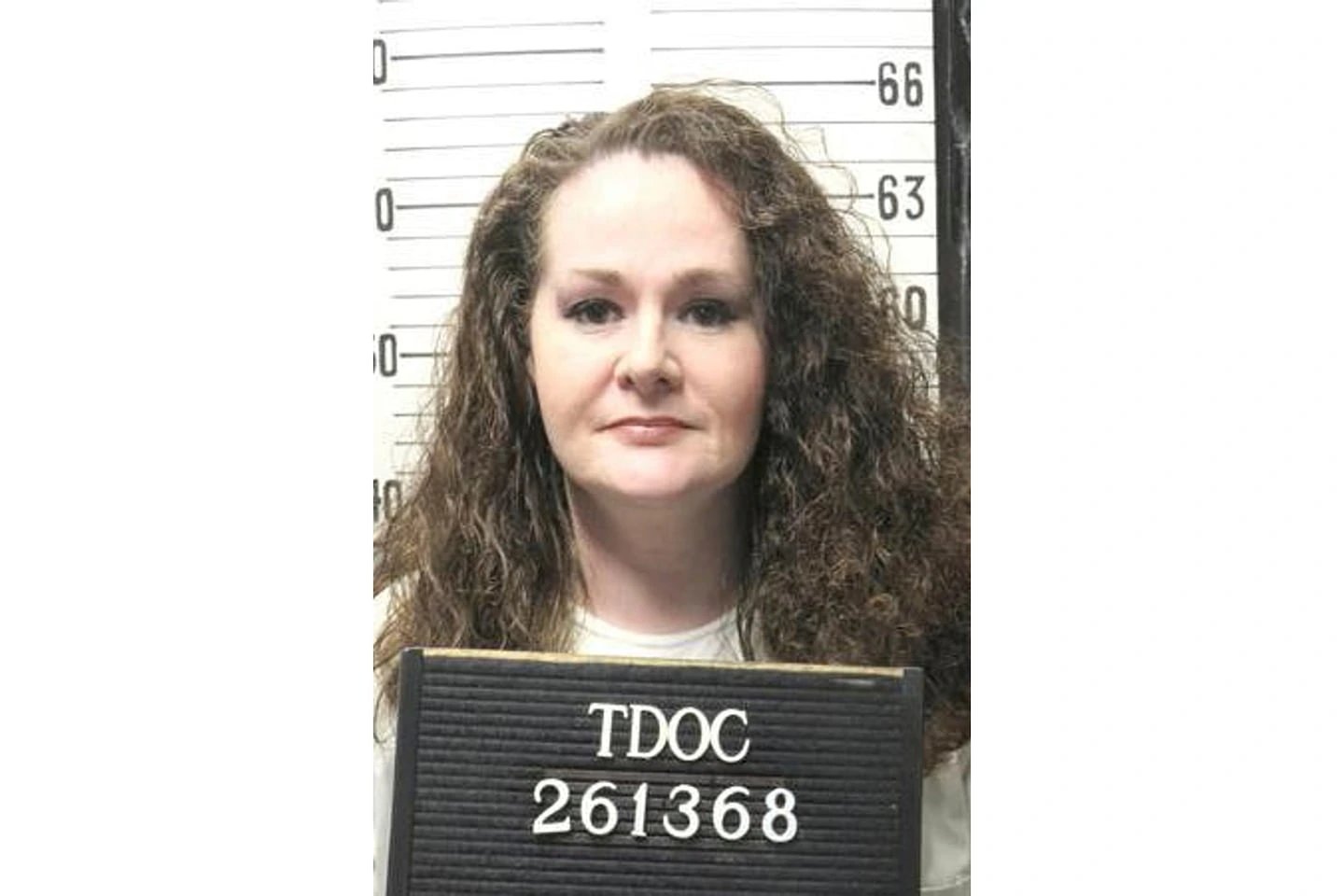
Convicted killer Christa Pike was left gravely ill, unconscious and on life support after Tennessee's failed attempt to execute her by lethal injection, her lawyers said on Friday. Hospital staff were working to save Pike's life and clear the drug pentobarbital from her system, her attorneys said in an emergency motion seeking a court order to preserve evidence from Wednesday night's botched execution.
Key Facts
- Christa Pike, 50, was convicted three decades ago of first-degree murder for her role in the 1995 torture and killing of 19-year-old Colleen Slemmer at the University of Tennessee campus in Knoxville.
- Pike remained in critical condition, intubated and hooked to a mechanical ventilator, after two doses of pentobarbital were administered intravenously at the Riverbend Maximum Security Institution in Nashville.
- The failed execution attempt left both her arms "swollen, burned and blistered," the apparent result of pentobarbital seeping into tissues under her skin, according to a court filing.
- Tennessee Governor Bill Lee halted any further executions for the rest of 2026 and ordered an independent review after the state's second botched execution this year.
Medical Aftermath
Hospital staff were working to save Pike's life and clear the drug pentobarbital from her system, her attorneys said in an emergency motion. Pike remained in critical condition, intubated and hooked to a mechanical ventilator to breathe, after two doses of pentobarbital were administered intravenously at the Riverbend Maximum Security Institution in Nashville. The bungled attempt to establish intravenous lines left both her arms "swollen, burned and blistered," the apparent result of the pentobarbital, a highly alkaline and caustic substance, seeping into the tissues under her skin, the court filing said.
Legal Claims
The lawyers accused Correction Department officials of shrugging off prior warnings from Pike's doctors that pre-existing medical conditions — small veins and a blood disorder called thrombocytosis — would make placing IV lines especially difficult. "At no point did any member of the execution team realise that the IV lines were not correctly placed or that the veins had blown and that the pentobarbital was, in whole or in part, entering Ms. Pike's body," her lawyers said in a filing in the Chancery Court for Tennessee's 20th Judicial District. Witnesses to the execution attempt could hear Pike "crying, whimpering and breathing loudly throughout the procedure," the filing said.
State Response
Tennessee Governor Bill Lee said the execution followed the state's established protocol. It was the state's second botched execution this year, prompting Lee to halt any further attempts to carry out the death penalty for the rest of 2026. He also ordered an independent review of what went wrong.
5 sources
Time · lag behind first