
Colombia reports 4.5% expansion of mostly illegal alluvial gold mining in 2025
This digest was compiled by AI from multiple sources — links to the originals are below.
Mostly illegal alluvial gold production in Colombia expanded 4.5% by area year-on-year in 2025 to 118,410 hectares, a UNODC and government report showed on Friday. The increase of 5,100 hectares compared to 2024 marked the third consecutive year of growth, with 61% of the increase on Afro-Colombian lands. Illegal gold mining is the second-largest source of financing for illegal armed groups after drug trafficking, according to security sources.
Key Facts
- Alluvial gold production covered 118,410 hectares in Colombia in 2025, up 4.5% from 2024.
- 75% of alluvial gold production is illegal, 21% has technical and/or environmental permits, and 4% is in the process of becoming legal.
- 61% of the 2025 increase occurred on Afro-Colombian lands, and production was detected in 30 Indigenous reserves.
- Nearly half of the area with alluvial gold mining also has coca crops, according to Mines and Energy Minister Maria Nohemi Arboleda.
- Illegal gold mining is the second-largest source of financing for illegal armed groups after drug trafficking, according to security sources.
Production Growth
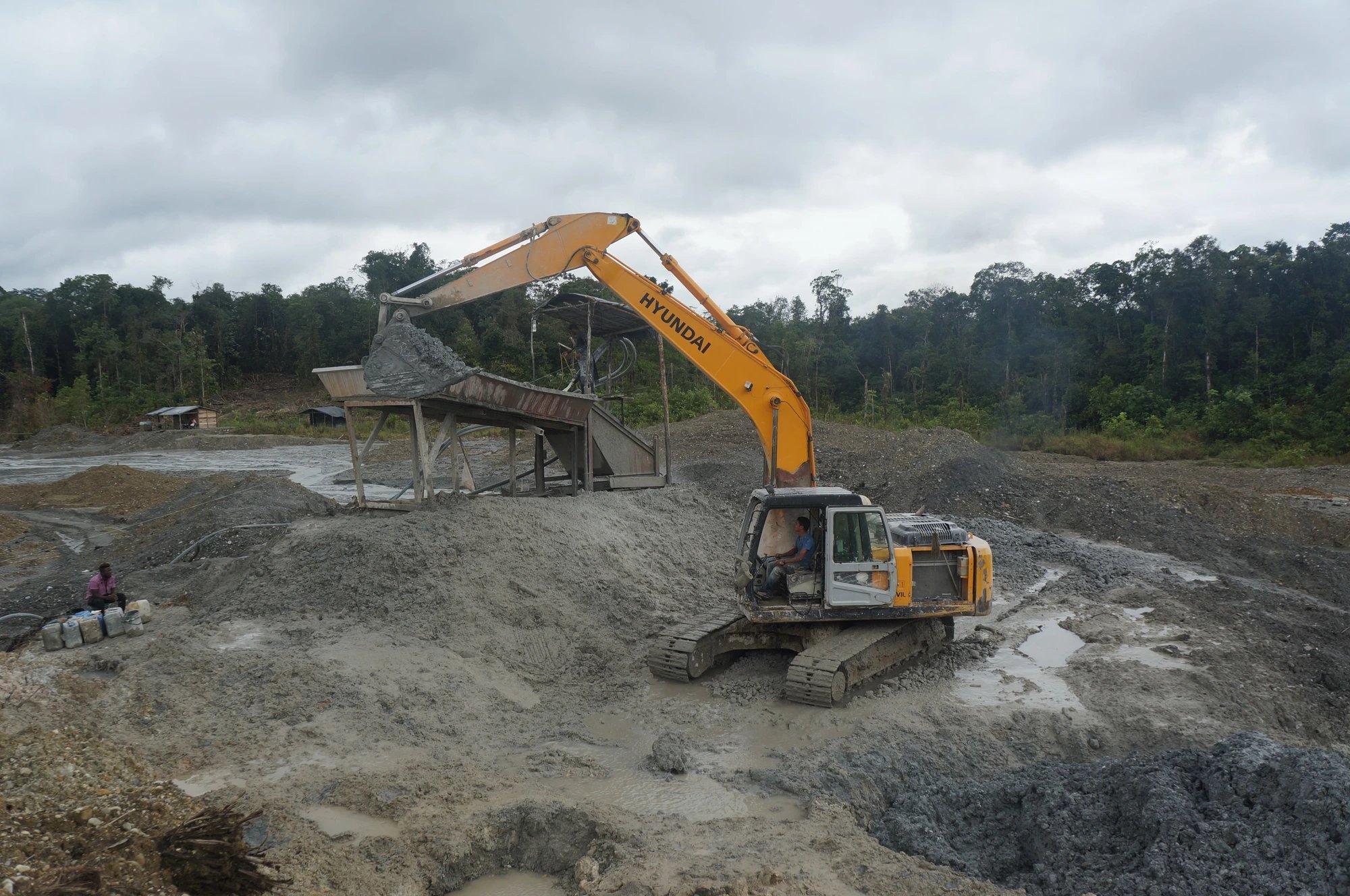
The UNODC and Colombian government report recorded 118,410 hectares of alluvial gold production in 2025, a 4.5% increase from 2024. The expansion of 5,100 hectares marked the third consecutive year of growth, the UNODC told Reuters. Nearly half of Colombia's 32 departments showed evidence of alluvial gold exploitation last year. Alluvial gold is found in river and stream beds and is typically extracted with gravity-based separation methods such as panning, sluicing and mechanized dredging.
Illegal Mining and Communities
Seventy-five percent of alluvial gold production is illegal, 21% has technical and/or environmental permits, and 4% is in the process of becoming legal, the report said. Sixty-one percent of the increase was on Afro-Colombian lands, and alluvial gold production was detected in 30 Indigenous reserves. Indigenous and Black Colombians have historically been more likely to be victims of the country's six-decade-long conflict, suffer poverty and live in more isolated areas. Almost half of the areas where production took place are zones where mining is not permitted, including forest reserves and national parks.
Criminal Economies and Environmental Impact
According to security sources, illegal gold mining is the second-largest source of financing for illegal armed groups after drug trafficking. Illegal gold mining is destroying forests and polluting rivers with chemicals, Mines and Energy Minister Maria Nohemi Arboleda said during the presentation of the report. Seventy-nine municipalities with alluvial gold mining in 2025 also had coca cultivation. Nearly half of the area with alluvial gold mining also has coca crops, Arboleda said, calling it a mix and a perfect business. Arboleda said countries that buy gold should require traceability systems to verify the metal is legally sourced.
2 sources
Time · lag behind first