
Russia's wealthiest fund 1% of state spending via voluntary donations
This digest was compiled by AI from multiple sources — links to the originals are below.
Russia's wealthiest individuals have covered over 1% of government spending this year through 'voluntary' wartime donations discussed with President Vladimir Putin in March, state budget documents showed. The donations have amounted to 471 billion roubles, or more than $5.6 billion, so far this year. Russia will run a budget deficit equal to 3.2% of GDP this year, or 7.3 trillion roubles ($87 billion), double the initial target of 1.6% of GDP.
Key Facts
- Wealthy Russians have donated 471 billion roubles ($5.6 billion) to the state budget so far in 2026, covering over 1% of government spending.
- Russia's budget deficit is projected at 3.2% of GDP, or 7.3 trillion roubles ($87 billion), double the initial target of 1.6%.
- The government plans to receive 385 billion roubles in 2026 from sales of assets seized from private businesses.
- Military and security spending is planned to reach 38% of total budget expenditure this year.
- A new tax on bank deposit proceeds is expected to bring an additional 1 trillion roubles in revenue in 2027.
Donation Mechanism
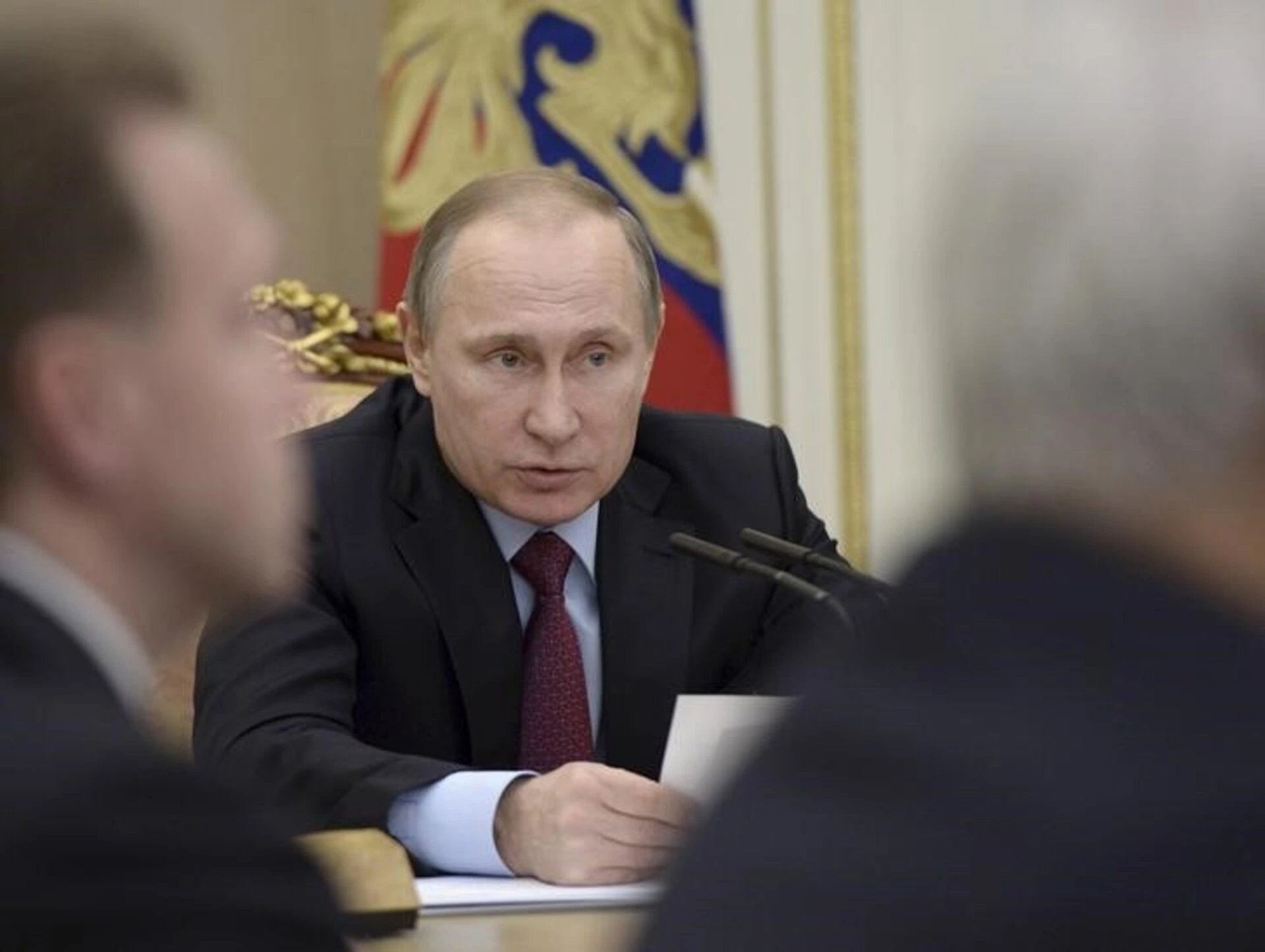
The donations were discussed at a closed-door meeting with President Vladimir Putin in March, attended by Russia's top businesspeople, most of whom are under Western sanctions. The full list of participants was not made public. Putin said in September that 'hundreds of billions' of roubles had been donated following the meeting. The Kremlin said an unnamed businessman proposed the initiative, arguing that wealthy Russians who made fortunes in the 1990s through state links had a duty to contribute to the state budget. The contributions are marked 'voluntary receipts' in budget documents and exceeded proceeds from the corporate windfall tax paid by metals and fertilizer companies.
Budget Pressures
Without the donations, the deficit could have risen to 3.4% of GDP. The government hiked taxes and increased borrowing in 2025 to finance the deficit and maintain spending on the military and security. As the war in Ukraine nears the end of its fifth year, the government is planning more tax hikes for next year and clamping down on tax evasion schemes. One tax hike will target proceeds from bank deposits, which have become a significant income source due to high interest rates.
3 sources
Time · lag behind first