
US slows aircraft-part exports to China as Trump seeks trade leverage
This digest was compiled by AI from multiple sources — links to the originals are below.
The Trump administration has slowed export licensing for aircraft parts bound for China in recent weeks, according to people familiar with the matter. The Commerce Department is also limiting parts licensed to China's state-owned planemaker Comac to prevent stockpiling. The move comes as Washington seeks leverage in trade talks over rare earth minerals and other issues.
Key Facts
- The Commerce Department slowed export licensing for airplane parts bound for China in recent weeks.
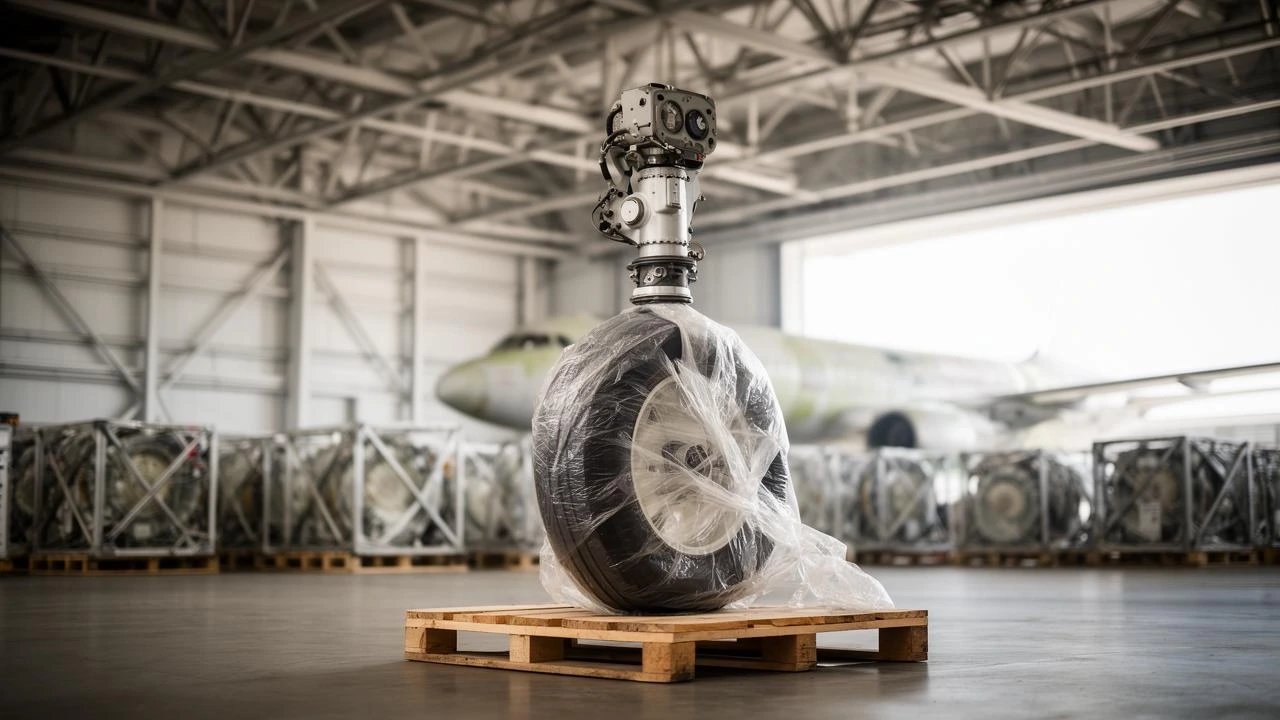
- Officials have expressed interest in issuing an export regulation that could make it easier to restrict landing gear and other aircraft parts to China.
- A draft version included a new licensing requirement on aviation hydraulic fluid shipped by US suppliers like ExxonMobil.
- The Commerce Department has been limiting the number of parts licensed to be shipped to China's state-owned planemaker Comac to keep the company from stockpiling.
- The US and China extended a trade truce set to expire on Nov 10, giving negotiators until Jan 10, 2027, to tackle tougher issues.
Export Licensing Slowdown
The Commerce Department slowed export licensing for airplane parts bound for China in recent weeks, two sources told Reuters. Officials have also expressed interest in issuing an export regulation that could make it easier to restrict landing gear and other aircraft parts to China. A draft version included a new licensing requirement on aviation hydraulic fluid shipped by US suppliers like ExxonMobil. The Commerce Department has been limiting the number of parts licensed to be shipped to China's state-owned planemaker Comac to keep the company from stockpiling.
Trade Negotiation Leverage
Efforts to slow vital goods to China show how the US is working to strengthen its hand in trade talks as Washington works to loosen Beijing's grip on rare earth minerals needed for a wide range of US industries, including vehicle manufacturing, chipmaking and aerospace. Two sources said the US Department of Commerce is positioning itself to increase pressure on Beijing, should the administration call upon it to do so. US and Chinese officials met in September in New York and Washington to negotiate key economic issues between the two countries, including US access to Chinese rare earth minerals, agricultural trade and issues around increasingly powerful AI. With Chinese President Xi Jinping in Washington last week, the two countries entered a new period of détente, agreeing to reduce tariffs on a variety of goods imported from each other and extend a trade truce set to expire on Nov 10, giving negotiators until Jan 10, 2027, to tackle tougher issues.
Industry Concerns
The effort to constrain the flow of commercial aircraft parts between the world's two largest economies, after a heated tug of war over parts last year, has raised industry concerns over planes as weapons for trade talks. Aerospace has been largely unscathed by US President Donald Trump's tariffs, which have been slapped on multiple sectors and trading partners globally. But the industry has wrestled with shortages of parts and materials due to geopolitical tensions. Producers of thermal coating sprays used to protect jet engines, for example, continue to struggle with Chinese controls of rare earth materials that have led to delays.
2 sources
Time · lag behind first