
Middle East oil exports recover to 98% of prewar levels, refinery bottleneck persists
This digest was compiled by AI from multiple sources — links to the originals are below.
Middle East crude exports rose to 98% of prewar levels in September, according to J.P. Morgan, despite ongoing Iranian attacks on shipping in the Strait of Hormuz. Diesel prices hit record highs in the EU and surged in the US as refinery bottlenecks persist. The recovery stems from the Saudi East-West pipeline, shuttle tankers, and ship-to-ship transfers, even as three tankers were struck on September 30.
Key Facts
- J.P. Morgan reported Middle East crude exports in September at 98% of prewar levels, or a 10-day average of 17.5 million barrels per day.
- Kpler data showed about 40% of September Gulf crude exports excluding Iran bypassed the Strait of Hormuz, compared with 17% before the war.
- EU figures published on October 1 showed diesel pump prices at record levels, while US diesel prices also surged.
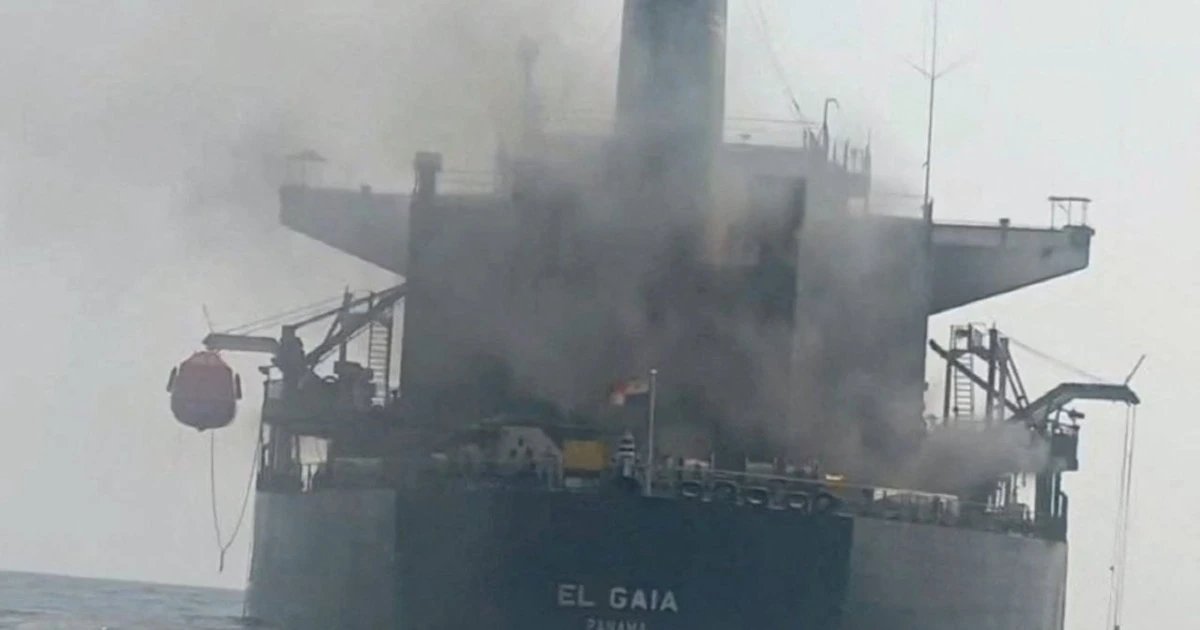
- Three Liberian-flagged tankers were struck by unknown projectiles while transiting the Strait of Hormuz on September 30.
- Saudi terminals loaded four times more oil in September than in August, but still nearly 40% lower than in January, according to Windward.
Export Recovery
Lloyds List data shows a steady upward curve of crude tanker transits through the Strait of Hormuz since mid-July, following a sharp fall after the collapse of the US-Iran memorandum of understanding. J.P. Morgan analysts put the 10-day average at 17.5 million barrels per day, or 98% of prewar levels, calling it a remarkable recovery for a region still at war. Kpler reported Saudi oil exports were at average levels for 2025, while Windward said Saudi terminals loaded four times more oil than in August. The Saudi East-West pipeline, damaged by Houthi militants on September 10, showed an uptick in shipments from Yanbu later in the month, suggesting regained operational capacity. The UAE uses its pipeline to Fujairah on the Gulf of Oman, which has been targeted in Iranian attacks but is far less vulnerable than Hormuz.
Refinery Bottleneck
European Union figures published on October 1 showed diesel pump prices at record levels, and prices have also surged in the United States despite the recovery in oil exports. HSBC said the increase in Middle East exports does not mean the market has returned to normal. MUFG noted that fuel shortages, uncertainty over access through Hormuz, and regional security risks continue to constrain the physical market. November ULSD futures traded 4.23 cents lower at $4.6458 per gallon, while November RBOB rose 9.8 cents to $3.592 per gallon.
Shipping Risks
Three Liberian-flagged tankers were struck by unknown projectiles while transiting the Strait of Hormuz on September 30. Industry analysts suggest the dangers have simply been priced in, with some in the industry willing to accept higher risk. Smaller shuttle vessels transport crude through the Strait of Hormuz using a route hugging the Omani coastline patrolled by the US Navy, often traveling in convoys. Refineries in India have reportedly begun commissioning tankers to use the route directly.
5 sources
Time · lag behind first