
Iran's Hormuz leverage weakens as oil flows recover to 80% of pre-war level
This digest was compiled by AI from multiple sources — links to the originals are below.
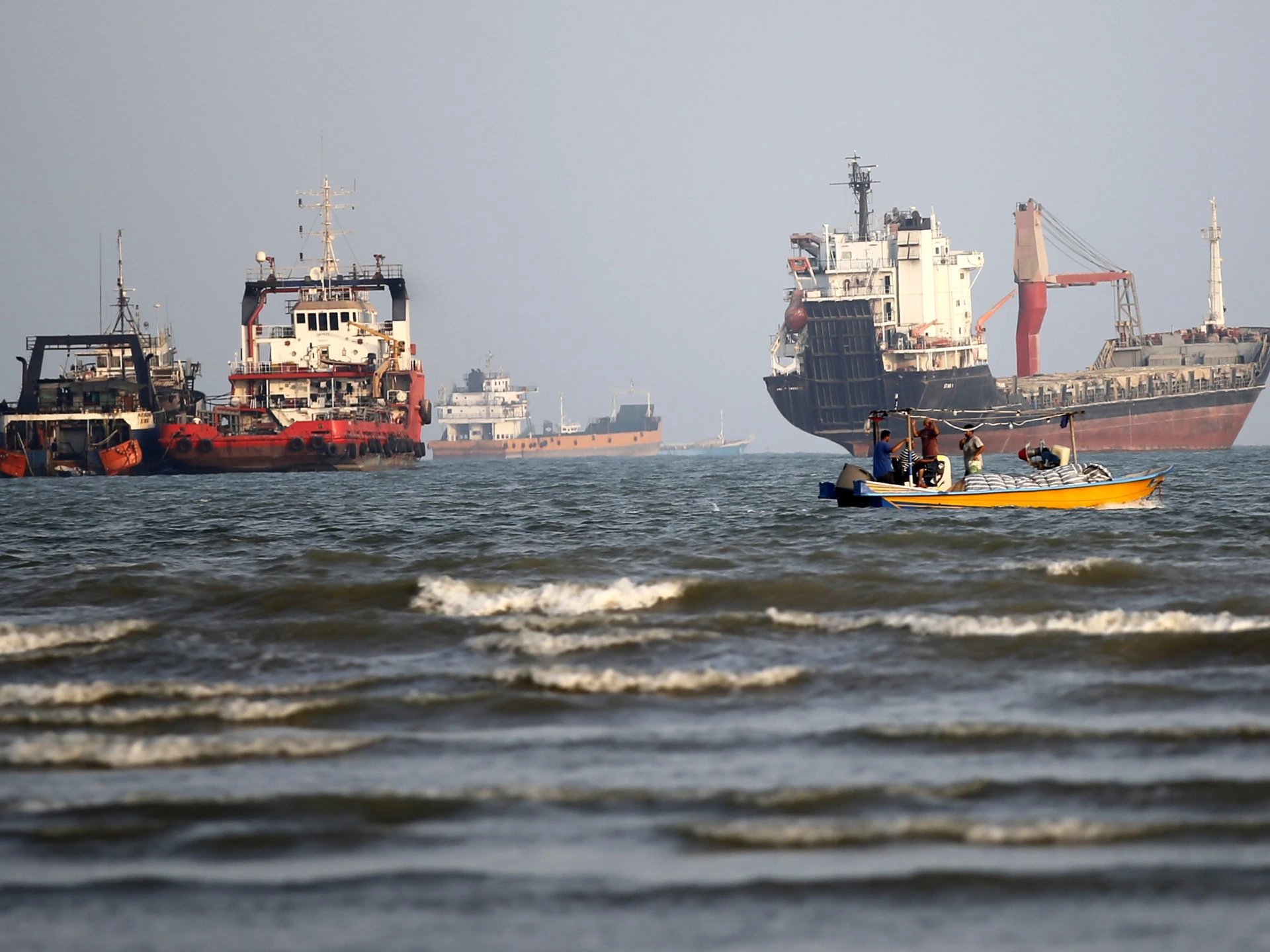
Oil and petroleum flows through the Strait of Hormuz have recovered to nearly 80 percent of pre-war levels, according to tanker-tracking data. The recovery could weaken Iran's leverage in negotiations to end seven months of hostilities with the United States. The trend emerges even as tanker insurance costs remain elevated and energy flows are still not considered secure.
Key Facts
- Crude exports from the Middle East reached an estimated 16.328 million barrels per day in September, the highest since the war began on February 28.
- Flows through the Strait of Hormuz were expected to reach about 9.719 million barrels per day in September.
- Saudi Arabia's crude exports rebounded from 2.446 million barrels per day in August to about 5.4 million barrels per day in September.
- Middle East crude exports remain about 3.2 million barrels per day below the 19.513 million barrels per day exported in February.
- Prior to the war, an estimated 120-140 vessels crossed the Strait of Hormuz daily, roughly half of them oil tankers moving approximately 20 million barrels per day.
Oil Flow Recovery
Commodity analytics firm Kpler reported that Middle East crude exports reached an estimated 16.328 million barrels per day in September, the highest level since the war began in late February. Flows through the Strait of Hormuz itself were expected to reach about 9.719 million barrels per day during the month. Saudi Arabia drove much of the increase, with its exports rebounding from 2.446 million barrels per day in August to about 5.4 million barrels per day in September. Kpler said Middle East crude exports have recovered to just under 80 percent of their pre-war level. The figures remain about 3.2 million barrels per day below the 19.513 million barrels per day exported in February, and the data does not include ships crossing Hormuz with tracking systems switched off.
Iranian Leverage
The recovery in oil flows could dent Iran's leverage in reaching a favourable deal to end the fighting, which has seriously hampered its already heavily sanctioned economy amid the US blockade of Iranian ships and ports. Susannah Streeter, chief investment strategist at Wealth Club, told Al Jazeera that oil getting through the Strait of Hormuz is encouraging, but flows are not yet regarded as completely secure or guaranteed, particularly while the wider conflict remains unresolved. Tanker insurance costs remain elevated and energy flows through Hormuz are still far from secure, suggesting Iran's leverage may be weakening rather than disappearing. Oil prices remain high globally, including in the US, where President Donald Trump faces a crucial midterm election that could see his party swept away in both houses of Congress.
4 sources
Time · lag behind first