
Wired maps 925 checkpoints fragmenting West Bank for 3.5 million Palestinians
This digest was compiled by AI from multiple sources — links to the originals are below.
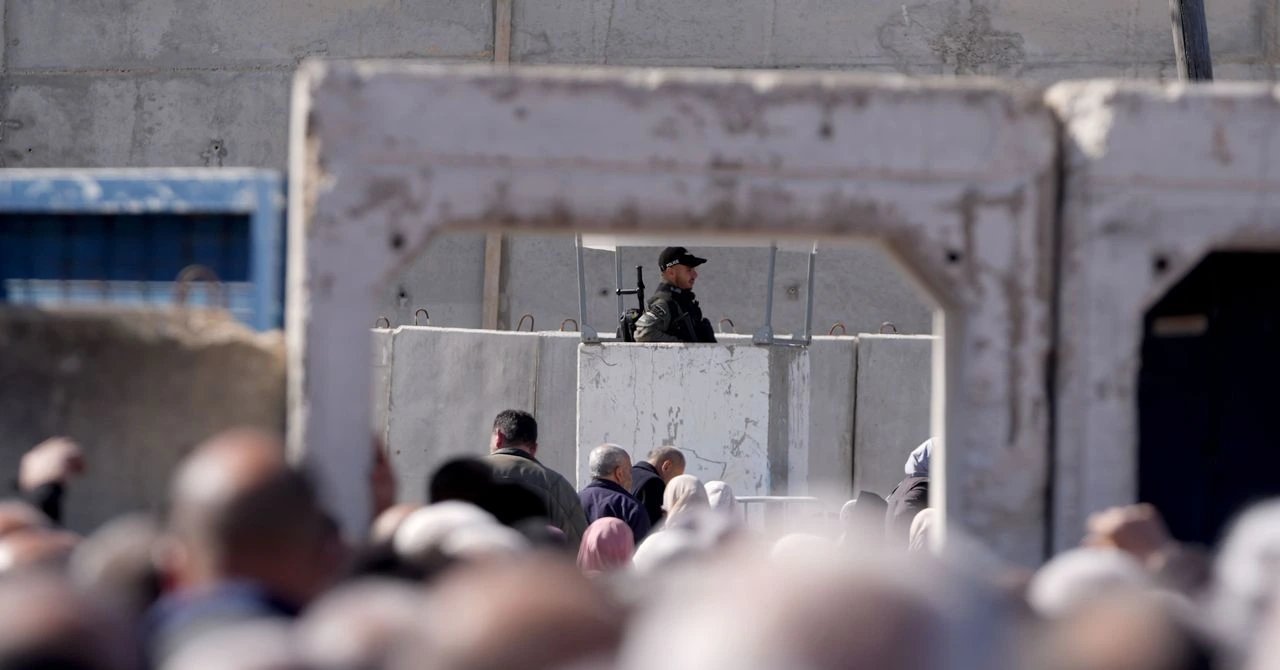
Wired has mapped at least 925 fixed and temporary checkpoints, gates, roadblocks, and earth mounds that divide the West Bank, according to UN data from December 2025. The mapping reveals how the system fragments the territory for nearly 3.5 million Palestinians, disrupting access to hospitals, schools, and jobs. A Palestinian governmental commission reported this month that the number has risen to 942.
Key Facts
- At least 925 fixed and temporary checkpoints, metal gates, roadblocks, and earth mounds divide the West Bank, according to UN data from December 2025.
- A Palestinian governmental commission reported this month that the number is now 942.
- Nearly 3.5 million Palestinians live in the West Bank, which has ceased to exist as a contiguous territory.
- Google Maps is practically useless for Palestinians because it is blind to checkpoints and routes drivers onto roads reserved for Israeli-plated cars.
Checkpoint Network
The West Bank has ceased to exist as a contiguous territory for the nearly 3.5 million Palestinians who live there. According to the most recent UN data from December 2025, at least 925 fixed and temporary checkpoints, metal gates, roadblocks, and earth mounds divide the West Bank. A Palestinian governmental commission reported this month that the number is now 942. Israel has never publicly listed the checkpoints it operates, their staffing hours, or their closure times.
Impact on Daily Life
This fracturing has torn families apart, stifled the economy, and obstructed access to essential services such as hospitals and schools. On the ground, Google Maps is practically useless for Palestinians; it is blind to the checkpoints and tries to route drivers onto roads reserved for Israeli-plated cars. Instead, citizens have developed their own ad hoc networks to inform each other of closures. As far as we know, no organization has used that network—combined with new datasets and on-the-ground reporting—to measure what this does to daily life.
1 source
Time · lag behind first