
Former US diplomat Fried urges consistent use of new Russia sanctions law
This digest was compiled by AI from multiple sources — links to the originals are below.
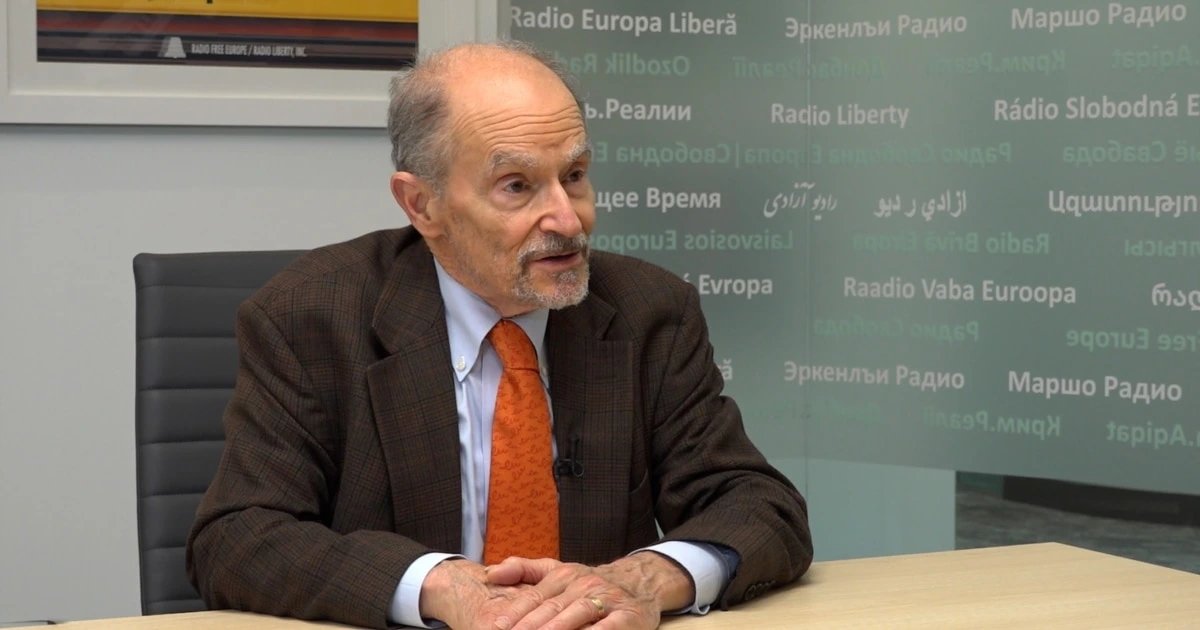
Former US diplomat Daniel Fried said on September 29 that Washington must stop sending mixed signals to make the newly enacted Russia sanctions law effective. He argued the law gives the administration tools to target Russia's energy revenues and countries buying Russian oil and gas. Fried spoke as reports pointed to possible expansion of US-Russia economic discussions.
Key Facts
- The Lindsey O. Graham Sanctioning Russia and Iran Act of 2026 was signed by President Donald Trump on September 18.
- The law targets Russian officials, banks, the energy sector, and vessels associated with Russia's shadow fleet of sanctions-evading oil tankers.
- Fried said he would travel to China and India to discuss reducing their purchases of Russian energy if he were still serving as sanctions coordinator.
- Fried cited Trump's comments that Ukrainian attacks on Russian refineries were contributing to higher diesel prices as an example of mixed messaging.
Sanctions Law Provisions
The Lindsey O. Graham Sanctioning Russia and Iran Act of 2026, signed by President Donald Trump on September 18, targets Russian officials, banks, the energy sector, and vessels associated with Russia's shadow fleet of sanctions-evading oil tankers. The law provides the administration with authority to impose tariffs on countries that continue significant purchases of Russian oil and gas. Fried said the law is not perfect but provides sufficient flexibility to be useful.
Mixed Signals Concern
Fried said the legislation would have limited effect if other signals from Washington suggested the administration was more concerned about keeping Russian energy supplies on global markets than reducing Moscow's revenues. He cited Trump's comments that Ukrainian attacks on Russian refineries were contributing to higher diesel prices. Fried said those mixed messages undercut the law and good policy.
1 source
Time · lag behind first