
India election chief faces scrutiny over removal of 130 million voters
This digest was compiled by AI from multiple sources — links to the originals are below.
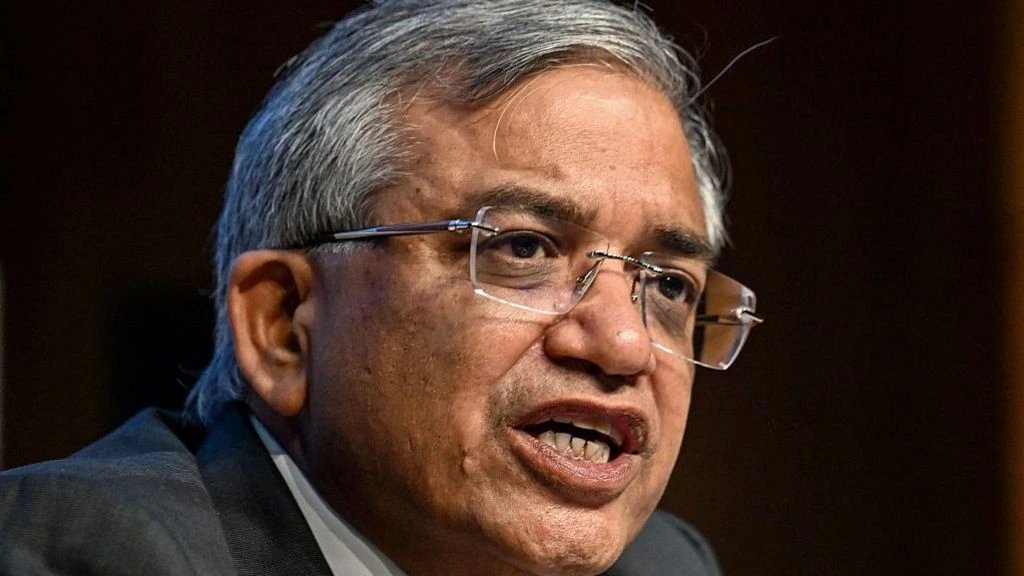
India's Chief Election Commissioner Gyanesh Kumar is under political pressure over a voter-list revision that removed more than 130 million names across 30 states. Opposition parties and activists say the Special Intensive Revision risks disenfranchising eligible voters. The Election Commission says the exercise targets duplicate and ineligible entries.
Key Facts
- More than 130 million names were struck from draft voter lists across 30 states and federally-administered territories, roughly 13% of India's electorate.
- The Special Intensive Revision began in Bihar last year and has since been extended to cover most of India.
- The Indian Express reported that Election Commissioners Sukhbir Singh Sandhu and Vivek Joshi formally objected at least 14 times over 10 months to decisions issued without their knowledge.
- The Election Commission said differences of opinion were part of normal deliberations and that its decisions over the past year were ultimately unanimous.
Voter List Revision
The Special Intensive Revision, or SIR, began in Bihar last year and has since been extended to cover most of India. More than 130 million names have been struck from draft voter lists across 30 states and federally-administered territories, roughly 13% of India's electorate. The Election Commission says the exercise is intended to remove duplicate and ineligible entries while ensuring legitimate voters are included. Opposition parties and activists have alleged that it risks disenfranchising eligible voters.
Internal Disagreements
An investigation by The Indian Express reported that Election Commissioners Sukhbir Singh Sandhu and Vivek Joshi formally objected at least 14 times over 10 months to decisions and orders they said had been issued without their knowledge. The report alleged that the disagreements went into the heart of the SIR, including how people are added to or removed from electoral rolls, changes to voter-registration procedures, and access to the database containing hundreds of millions of voters. The allegations are particularly sensitive for the three-member Election Commission, where disagreements are decided by a majority. Kumar has not personally responded to the investigation, and the BBC has contacted his office for comment.
Commission Response
In a statement issued after the investigation, the commission did not deny the reported disagreements but rejected suggestions of a serious internal rupture, saying differences of opinion were part of normal deliberations and that its decisions over the past year, including on SIR, were ultimately unanimous. Over the weekend, Kumar, Sandhu, and Joshi met and issued a joint statement addressing some of the issues raised by the investigation. The commission also released a photograph of the three men together. But the commission's response has not put the controversy to rest.
2 sources
Time · lag behind first