
Nord Stream suspect seeks asylum in Croatia, lawyer says
This digest was compiled by AI from multiple sources — links to the originals are below.
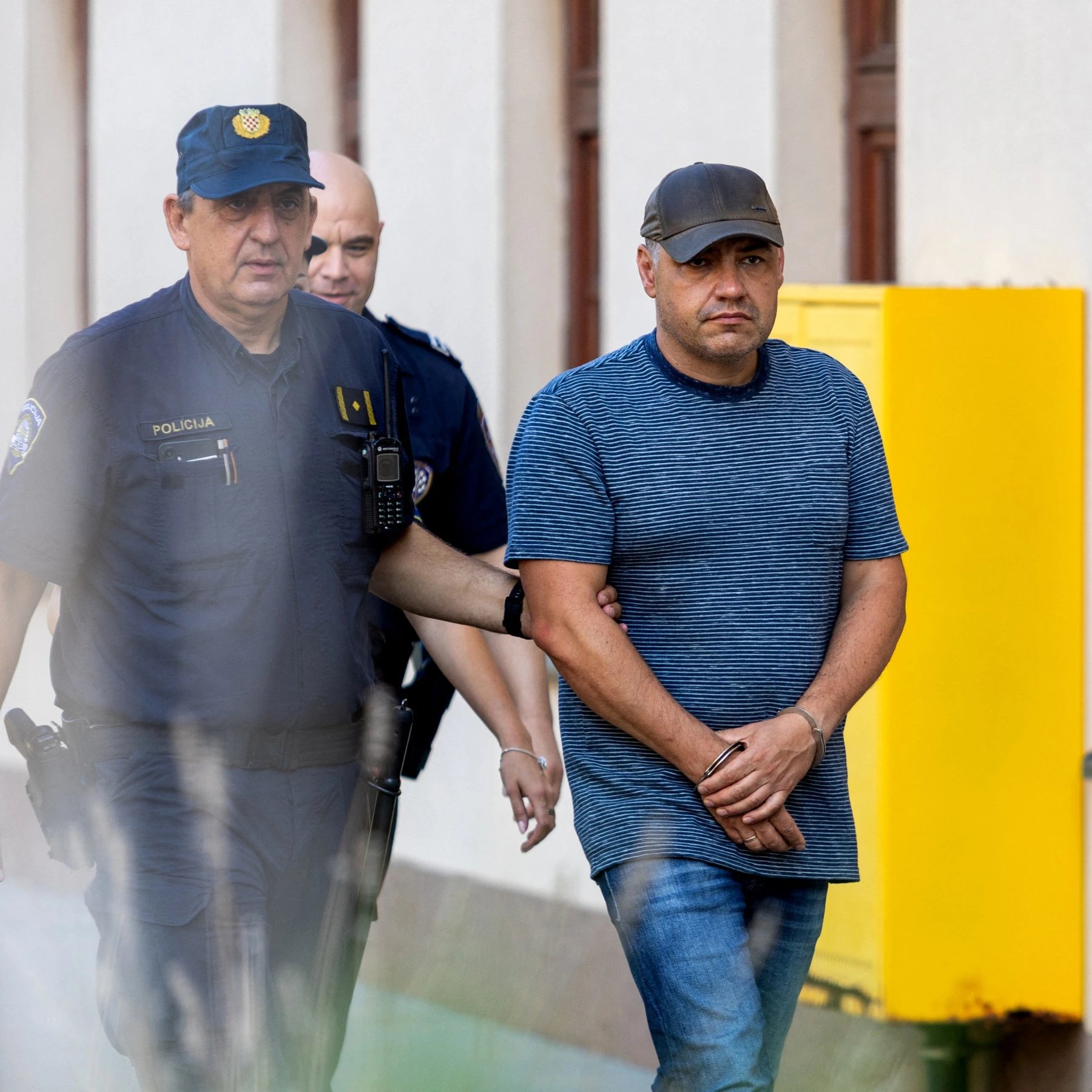
Ukrainian national Vladimir Zhuravlev, suspected by German investigators of involvement in the Nord Stream pipeline explosions, has applied for political asylum in Croatia. His lawyer said the request is based on concerns that he would not receive a fair trial in Germany. The asylum application does not automatically halt the extradition process.
Key Facts
- Vladimir Zhuravlev, a Ukrainian citizen suspected by German investigators in the Nord Stream explosions, has applied for political asylum in Croatia.
- His lawyer, Nikolai Katerynchuk, said the asylum request is based on the belief that Zhuravlev would not receive a fair trial in Germany.
- The asylum application does not automatically stop the extradition process, according to the lawyer.
- In September 2022, explosions damaged three of the four lines of the Nord Stream and Nord Stream 2 pipelines in the Baltic Sea.
- Germany, Denmark, and Sweden opened investigations; Denmark and Sweden later closed theirs, while the German investigation continues.
Asylum Request
Vladimir Zhuravlev, a Ukrainian citizen suspected by German investigators in the Nord Stream pipeline explosions, has applied for political asylum in Croatia. His lawyer, Nikolai Katerynchuk, told Ukrainian outlet Babel that the request is based on the belief that Zhuravlev would not receive a fair trial in Germany. Katerynchuk stated that extradition is a political decision, and the asylum procedure allows Croatian authorities to express their position on the case of a Ukrainian citizen suspected in the Nord Stream explosion. The lawyer emphasized that filing an asylum application does not automatically halt the extradition process.
Nord Stream Explosions
In September 2022, explosions occurred on the Nord Stream and Nord Stream 2 pipelines, which run along the bottom of the Baltic Sea between Russia and Germany. The blasts damaged three of the four pipeline lines. Germany, Denmark, and Sweden conducted investigations into the explosions. Denmark and Sweden later closed their investigations, while the German investigation continued. German investigators believe the pipelines were blown up by a group of Ukrainian citizens who rented a yacht, sailed into the Baltic Sea, and placed explosives near the pipelines.
3 sources
Time · lag behind first