
Caspian drill deaths shift Kazakh agenda from crisis to reform, analyst says
This digest was compiled by AI from multiple sources — links to the originals are below.
The deaths of 14 servicemen during Caspian Sea drills on September 24 triggered a shift in Kazakhstan's public agenda from crisis response to institutional reform, according to political analyst Gaziz Abishev. President Kassym-Jomart Tokayev replaced the defense minister on September 27 and ordered a military reform plan within ten days. The new framework links the tragedy to systemic army problems, moving beyond the initial focus on the rescue operation and casualty count.
Key Facts
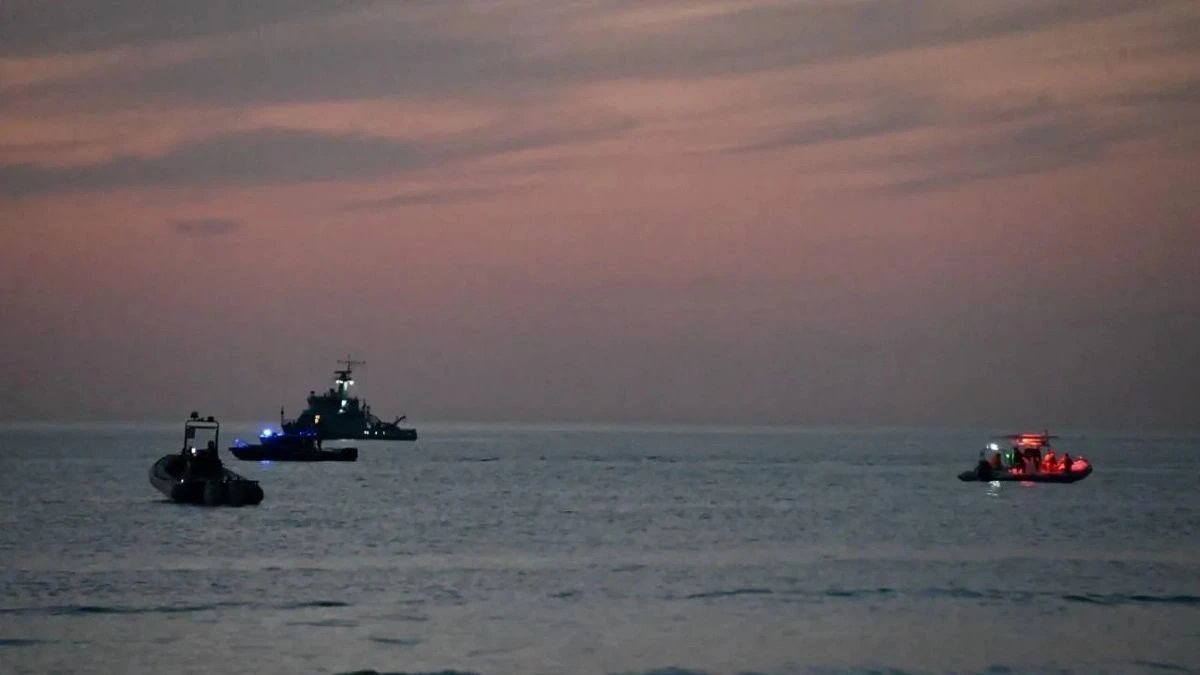
- Fourteen servicemen died and three were rescued after 17 were swept into the sea during drills in Mangystau Region on September 24.
- Five Defense Ministry officials were detained and criminal cases opened after the incident.
- President Tokayev dismissed Defense Minister Dauren Kosanov on September 27 and appointed Aidos Myrzakhmetov, former commander of Special Operations Forces.
- Tokayev ordered a concrete military reform plan within ten days, to be reviewed by the Security Council in the second half of October.
- A nationwide day of mourning was declared in Kazakhstan on September 25.
Communication Breakdown
Political analyst Gaziz Abishev assessed that military communication on September 24 and 25 was weak, leaving the public focused on the circumstances of the tragedy and the fate of the servicemen. Abishev stated that the military failed to build adequate communication in the first two days after the incident. The information background remained alarming, with public demand centered on basic questions about the number of dead, the missing, and responsibility.
Shift to Accountability
By September 26, public discussion shifted from the rescue operation and casualty count to the causes of the incident, command responsibility, and possible consequences for military leadership. Abishev noted that such a transition typically marks the moment when an emergency ceases to be seen as an operational crisis and becomes a question of institutional accountability. The turning point came on September 27, when President Tokayev held a meeting with Defense Ministry leadership and gave a harsh assessment, calling the deaths a result of unprofessionalism.
Reform Agenda
Tokayev replaced Defense Minister Dauren Kosanov with Aidos Myrzakhmetov, former commander of Special Operations Forces, and ordered a concrete military reform plan within ten days. The plan is to be reviewed by the Security Council in the second half of October. The president also ordered checks on military service organization, material and financial support, command systems, and personnel work. Abishev argued that after the presidential decisions, official communication adopted a new logic: tragedy, conclusions, personnel changes, and the start of systemic reform.
1 source
Time · lag behind first