
Malaysia begins repatriating 5,000 Myanmar asylum seekers under deal with junta
This digest was compiled by AI from multiple sources — links to the originals are below.
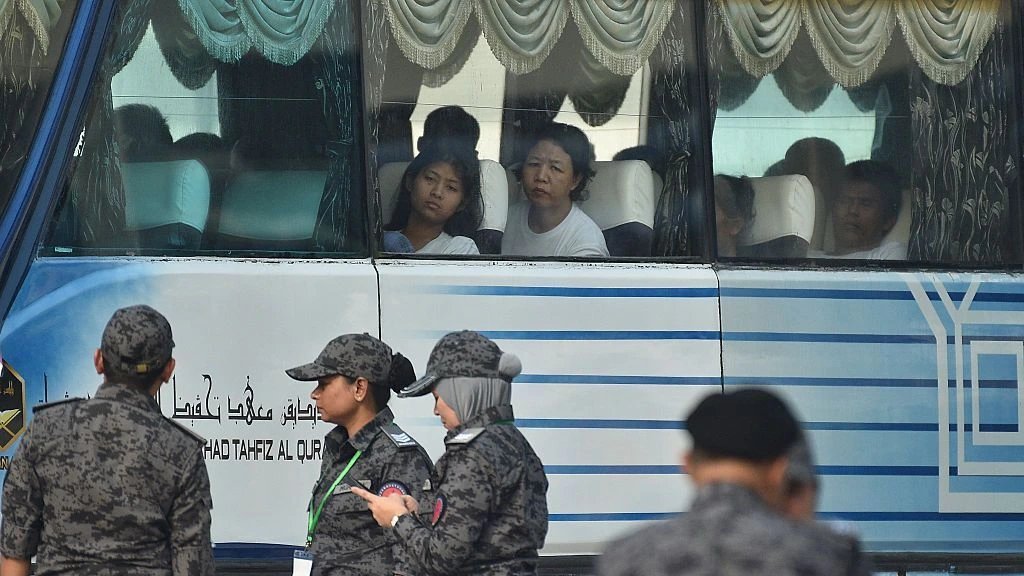
Malaysia has started repatriating around 5,000 asylum seekers from Myanmar under a deal with military ruler Min Aung Hlaing. Three Myanmar navy ships are scheduled to leave Malaysia later today carrying the first 1,476 returnees. Human rights groups have condemned the repatriation, saying returnees face violence, persecution and forced conscription.
Key Facts
- Three Myanmar navy ships are scheduled to leave Malaysia later today carrying the first 1,476 returnees.
- Malaysia has barred the UN refugee agency from seeing or screening the returnees, who have been kept in detention centres.
- Malaysian Prime Minister Anwar Ibrahim says the returnees will include Rohingyas, a persecuted Muslim minority not recognised as citizens in Myanmar.
- More than 200,000 Rohingyas are now believed to live in Malaysia, most eking out basic livings from manual labour.
The Repatriation Deal
The Malaysian government has started repatriating around 5,000 asylum seekers from Myanmar under a controversial deal agreed with Myanmar's military ruler Min Aung Hlaing. Three ships from the Myanmar navy are scheduled to leave Malaysia later today carrying the first 1,476 returnees. Malaysia has described the repatriation as voluntary, but has barred the UN refugee agency from seeing or screening the returnees, who have been kept in detention centres. According to Malaysian prime minister Anwar Ibrahim, these returnees will include Rohingyas: a persecuted Muslim minority who have sought sanctuary in Malaysia in large numbers after being driven out of Myanmar, where they are not recognised as citizens.
Domestic Pressures
Anwar, whose popularity has fallen sharply this year, says he is responding to growing public hostility towards the large Rohingya population in Malaysia and has no choice but to negotiate with the Myanmar government over their return. Increased economic strain on lower-income Malaysians since the Covid pandemic has stirred resentment of the Rohingyas. The febrile state of Malaysian politics since 2018, when a historic election unseated the United Malays National Organisation (UMNO), has led to a revolving door of unstable coalition governments.
Rohingya Flight and Resentment
In August 2017, a brutal campaign by the Myanmar military drove three quarters of a million Rohingyas out of their homes in Rakhine State and into neighbouring Bangladesh. Dire conditions in Bangladeshi refugee camps have driven those with enough money to make the perilous sea journey to Malaysia in search of sanctuary and work. While the Malaysian navy and coastguard have long tried to block Rohingya boats from landing in Malaysia, many have gotten in via other routes, and for a long time were tolerated. More than 200,000 are now believed to live there, most eking out basic livings from manual labour. Sentiment among Malaysians started to shift during the pandemic, which hit the country's economy hard.
2 sources
Time · lag behind first