
Rubio says US approval required for investments in Greenland
This digest was compiled by AI from multiple sources — links to the originals are below.
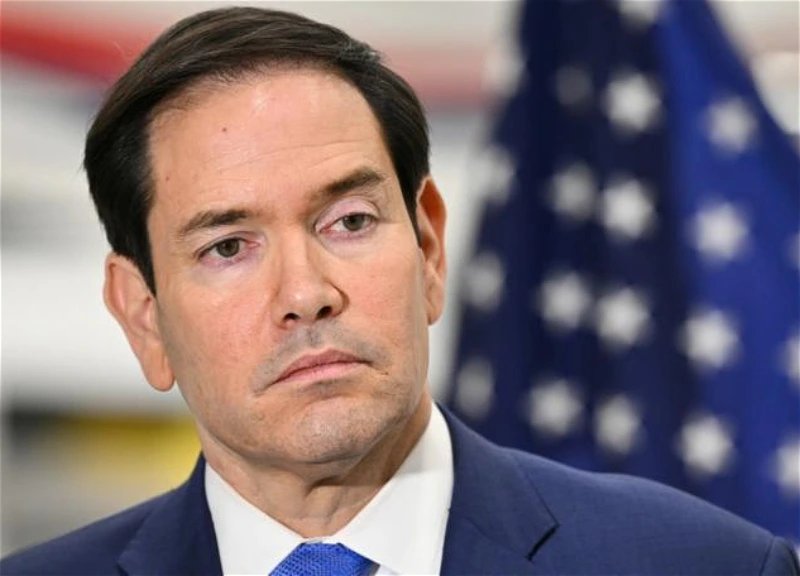
US Secretary of State Marco Rubio said investments in Greenland will require US approval under the new agreement on the island. He also said the US could partner on rare earth mineral extraction there. Rubio spoke in an interview with Fox News.
Key Facts
- Rubio said no US adversary will ever be able to invest in Greenland without US, Greenlandic, and Danish approval.
- The agreement grants the US access to build new military facilities in Greenland for a North American missile defense shield.
- US President Donald Trump, Danish Prime Minister Mette Frederiksen, and Greenlandic Prime Minister Jens-Frederik Nielsen signed the agreement on the sidelines of the 81st UN General Assembly.
- The Geological Survey of Denmark and Greenland (GEUS) identified 24 of the 34 critical raw materials listed by the EU on the island.
Investment Conditions
Rubio said the agreement, now in force indefinitely, requires US approval for any investment by a US adversary in Greenland. He added that Greenland and Denmark must also approve such investments. Rubio made the remarks in an interview with Fox News.
Rare Earth Minerals
Rubio said the US could pursue rare earth mineral extraction in Greenland in partnership with local authorities. He said this was not a US priority before, but the deal with local authorities created the opportunity. GEUS found 24 of the 34 critical raw materials listed by the EU in Greenland. Development of many deposits is complicated by natural conditions and lack of infrastructure.
Security Agreement
Trump, Frederiksen, and Nielsen signed the agreement on the sidelines of the 81st UN General Assembly. The deal transfers security obligations for the Arctic island to the US. Trump said the US would immediately begin increasing its military presence on the island.
2 sources
Time · lag behind first