
Saudi Aramco resumes East-West pipeline oil exports after drone attack halt
This digest was compiled by AI from multiple sources — links to the originals are below.
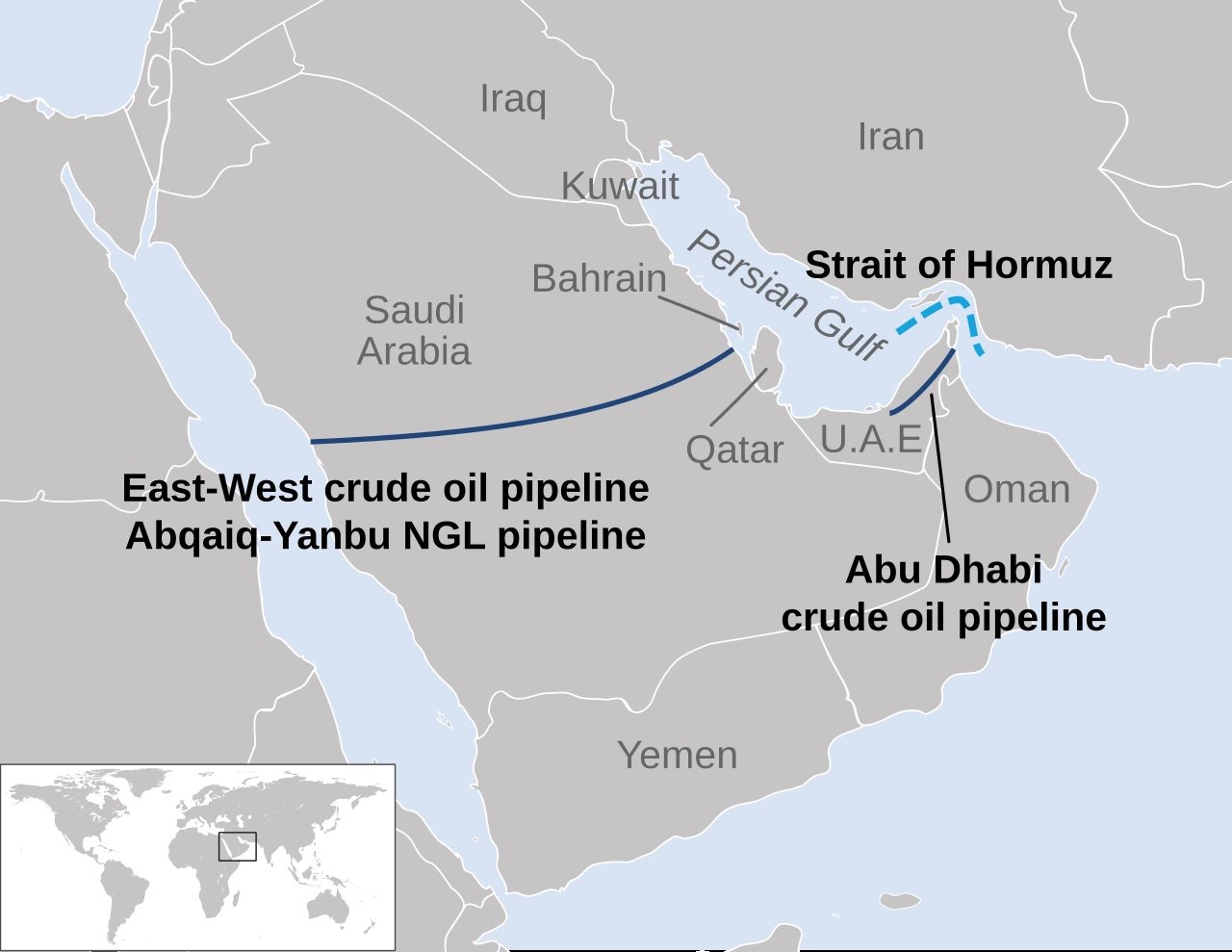
Saudi Aramco has resumed oil exports through the East-West Pipeline after a halt caused by drone attacks on September 11, Bloomberg reports citing a source. The resumption restores Saudi Arabia's access to an alternative export route bypassing the Strait of Hormuz. The pipeline had been shut after attacks by Iraqi armed groups, which halted loadings at Yanbu.
Key Facts
- Saudi Aramco resumed oil exports through the East-West Pipeline after a halt caused by drone attacks on September 11, Bloomberg reports citing a source.
- The pipeline connects eastern oil fields to the Red Sea port of Yanbu, bypassing the Strait of Hormuz.
- Saudi Arabia increased exports through the Strait of Hormuz to over 5 million barrels per day in September, a wartime high.
- Full resumption of supplies may take about six weeks, according to sources.
Pipeline Restart
Saudi Aramco resumed oil exports through the East-West Pipeline after conducting tests and raising pressure last week, Bloomberg reports citing a source. The pipeline had been shut on September 11 after drone attacks launched by Iraqi armed groups, which halted loadings at Yanbu. US President Donald Trump suggested Iran may have been involved in the attack. The resumption restores Saudi Arabia's access to an alternative export route used during the war with Iran.
Export Route Significance
The East-West Pipeline, also known as Petroline, connects eastern oil fields to the Red Sea port of Yanbu, bypassing the Strait of Hormuz. Saudi Arabia increased exports through the Strait of Hormuz to over 5 million barrels per day in September, a wartime high. The Persian Gulf route remains risky as ships are occasionally attacked and the US-Iran war has lasted seven months. Full resumption of supplies may take about six weeks, according to sources.
7 sources
Time · lag behind first