
NBK Governor Suleimenov says minimum reserve requirements may rise further
This digest was compiled by AI from multiple sources — links to the originals are below.
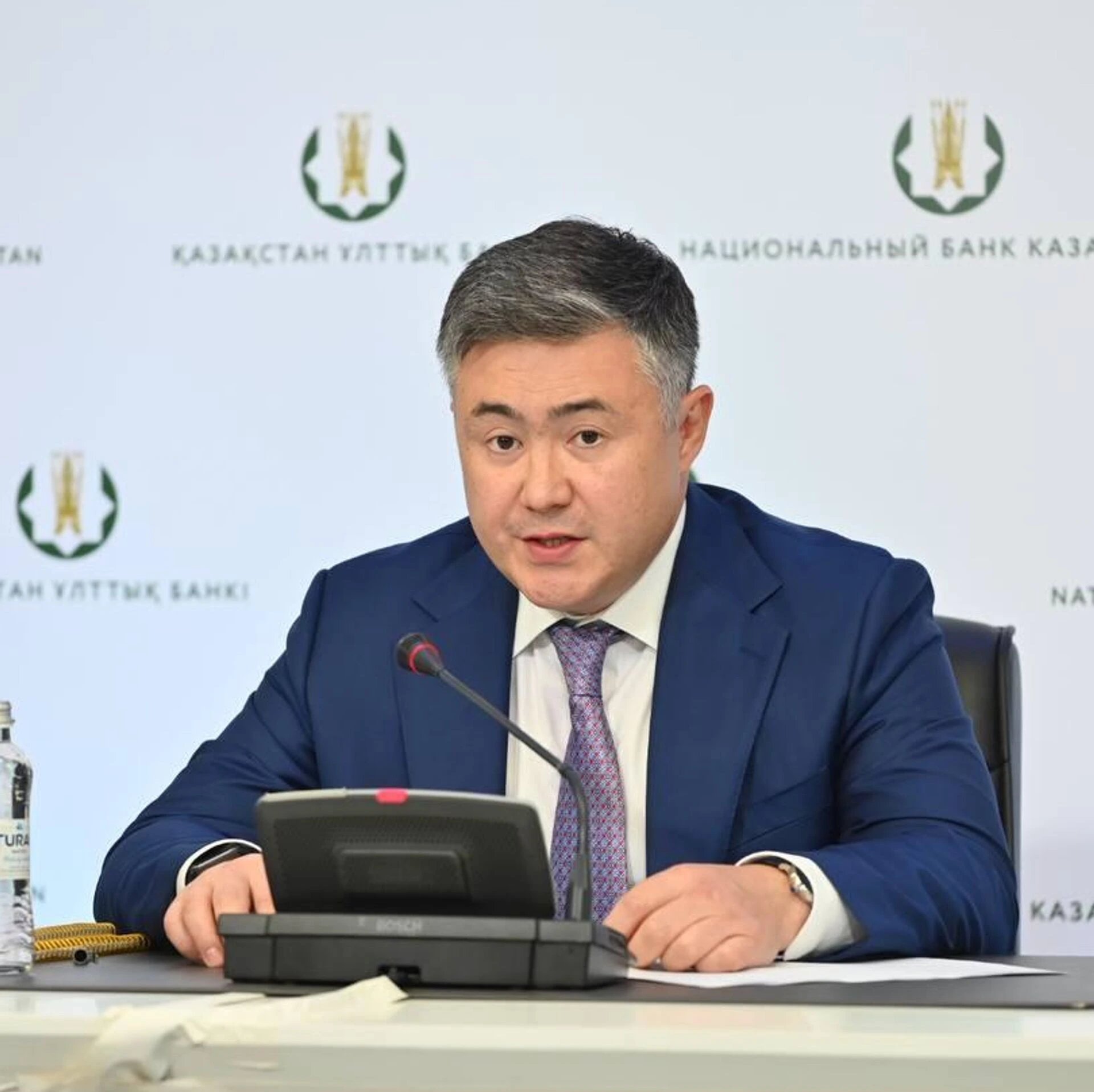
National Bank of Kazakhstan Governor Timur Suleimenov said the central bank may further tighten minimum reserve requirements for banks. He said sterilization of excess liquidity through minimum reserve requirements will reach about 4.3 trillion tenge by the end of the year. The third and final stage of updated regulatory requirements took effect in September.
Key Facts
- Excess liquidity sterilization through minimum reserve requirements will reach about 4.3 trillion tenge by the end of the year.
- The third and final stage of updated regulatory requirements took effect in September 2026.
- From September 2026, minimum reserve requirements on foreign-currency liabilities were raised to 10-15% depending on the category of liabilities.
- The surplus of excess liquidity in the money market fell from an average of 7.7 trillion tenge to almost 6 trillion tenge after the new conditions took effect.
Liquidity Sterilization
National Bank Governor Timur Suleimenov said sterilization of excess liquidity through minimum reserve requirements will reach about 4.3 trillion tenge by the end of the year. He noted that free liquidity is always an extra monetary aggregate and additional inflationary pressure. The central bank is forced to sterilize it through money market operations, incurring losses. Suleimenov said the central bank would like to dry up this liquidity as much as possible through minimum reserve requirements.
Regulatory Timeline
The first stage began in September 2025, with minimum reserve requirements of 3.5% on tenge liabilities and 10% on foreign-currency liabilities. From April 2026, the tenge norm became 3.5-5% and the foreign-currency norm 10-15%, depending on liability categories and bank groups. From September 2026, minimum reserve requirements on foreign-currency liabilities were raised to 10-15% depending on the category of liabilities. The surplus of excess liquidity in the money market fell from an average of 7.7 trillion tenge to almost 6 trillion tenge after the new conditions took effect.
1 source
Time · lag behind first