
Anthropologist Biao Xiang becomes unlikely guide for anxious young Chinese
This digest was compiled by AI from multiple sources — links to the originals are below.
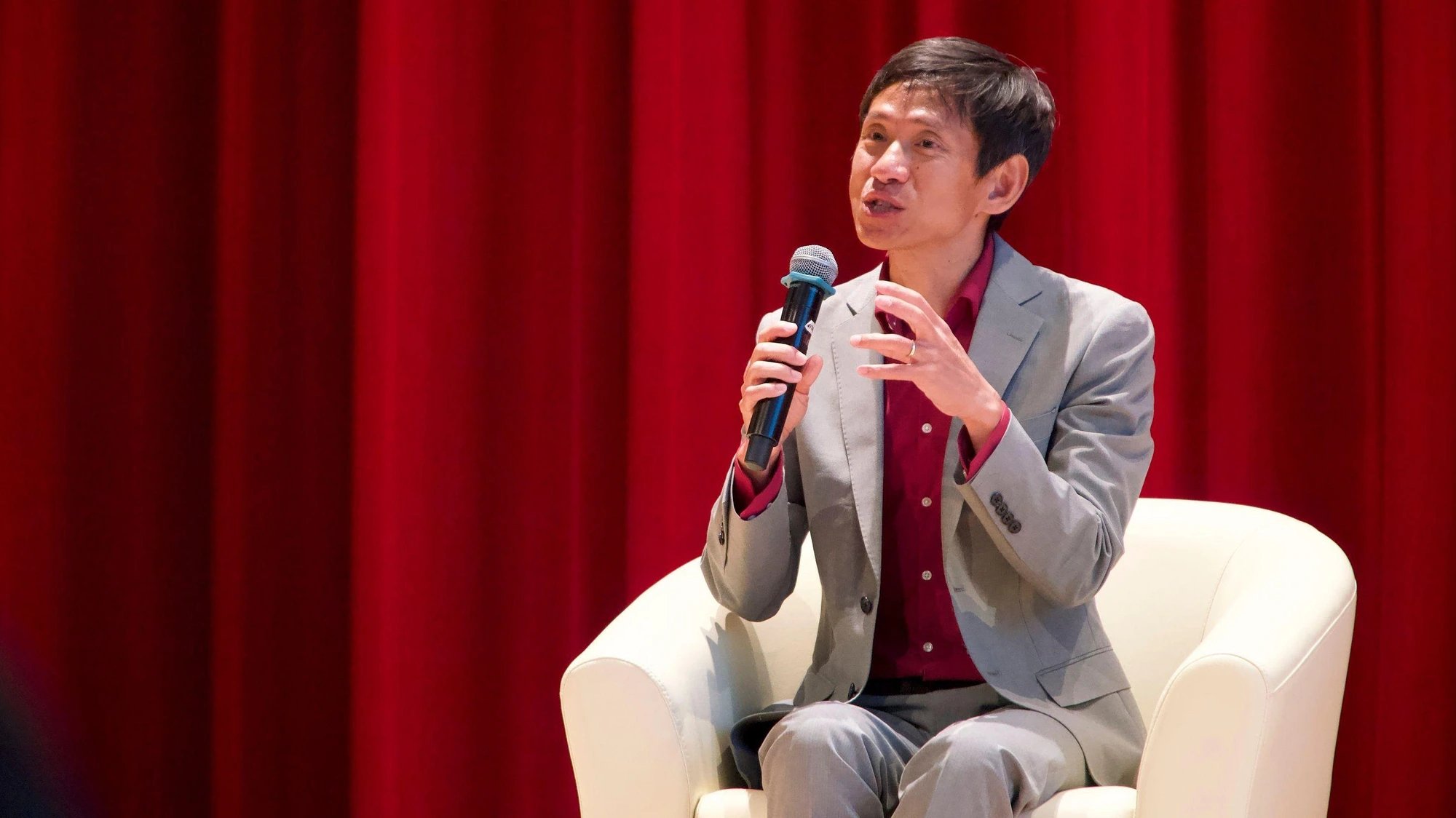
Chinese anthropologist Biao Xiang, 54, has become an unlikely idol for young Chinese grappling with anxiety about jobs, relationships and social pressure. About 500 people, mostly Chinese diaspora, attended his recent talk in Singapore, where he addressed the 'pain point of the times'. His rise comes as China's rapid economic and technological growth leaves many Gen Z feeling uncertain about their future.
Key Facts
- Biao Xiang, 54, is director of the Max Planck Institute for Social Anthropology in Germany.
- About 500 people, mostly Chinese diaspora, attended his recent talk in Singapore.
- Xiang spoke for more than an hour in Mandarin before taking questions at the Singapore event.
- A talk at Peking University earlier this year was live-streamed because the auditorium was full.
- The phrase 'When in doubt, ask Biao Xiang' has become a saying, according to Chinese media.
The Rise of an Academic Idol
Zihan Han, a young Chinese fan, describes Biao Xiang as 'a star sent from the heavens'. A 23-year-old Chinese graduate who attended the Singapore talk said people need an anchor in their life and his words make them feel understood. Xiang has been interviewed by major Chinese outlets and has travelled to top Chinese campuses, including Peking University. Dozens queued to meet and take photos with him after the Singapore event, which one attendee called 'an academic fan meeting'.
Anxiety and the Search for Meaning
Xiang spoke of the recognition young people seek in today's China, where they often look to systems for approval, from competitive exams to secure jobs. He suggested that seeking meaning and understanding from others is healthier than relying on external approval, which can be exhausting and damaging. Xiang believes Chinese society is at a 'turning point', where people are searching for meaning while making sense of rapid social and economic change. He told the BBC that as an academic, it is not terrifying if you can describe the issue, because that is how you analyse and manage it.
1 source
Time · lag behind first