
Uzbekistan to phase out social tax benefits by 2030
This digest was compiled by AI from multiple sources — links to the originals are below.
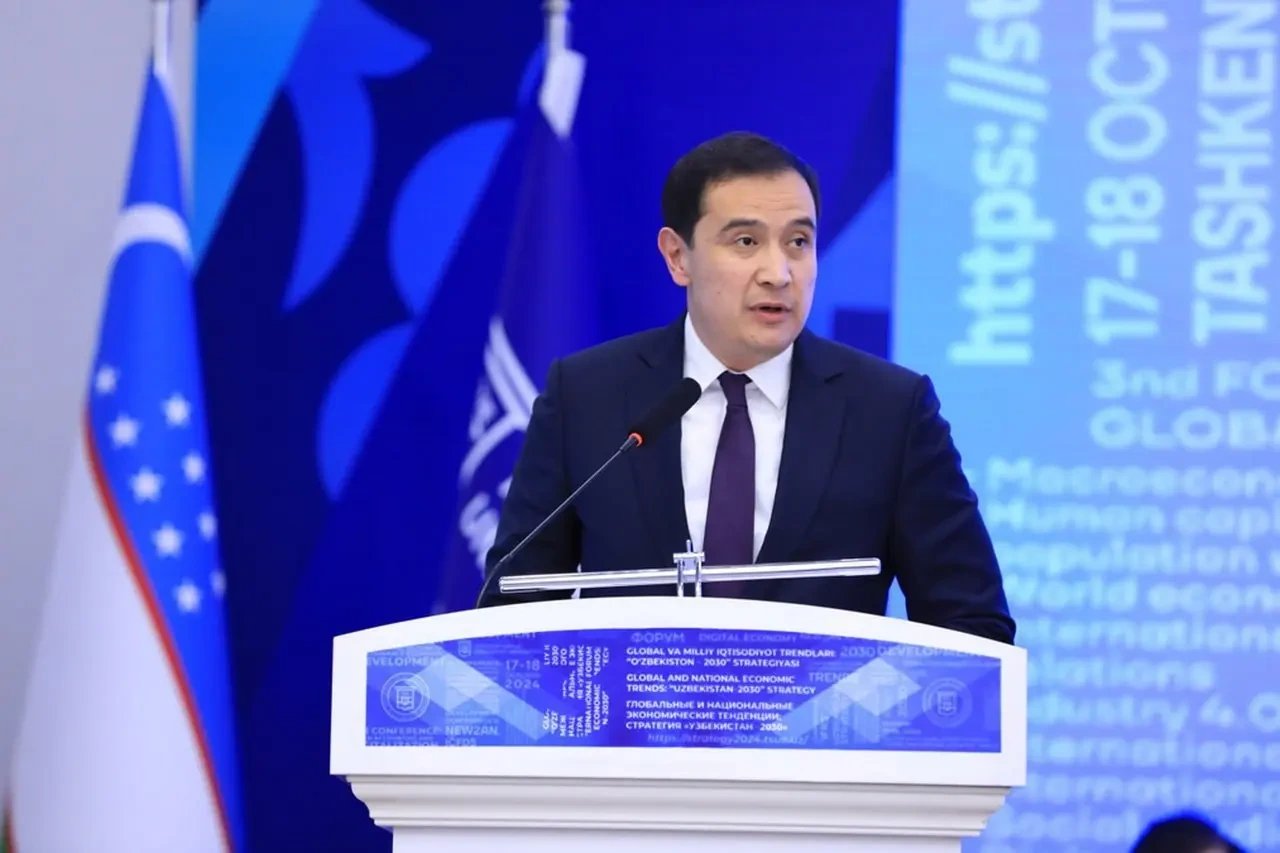
Uzbekistan plans to phase out all existing social tax benefits by 2030, Deputy Minister of Economy and Finance Otabek Fazilkarimov said on September 25. The benefits currently support over 65,000 enterprises with a total value of 3.2 trillion soums. The move comes as the Pension Fund deficit reaches 26% and is covered by state budget transfers.
Key Facts
- Uzbekistan will phase out all social tax benefits by 2030, Deputy Minister of Economy and Finance Otabek Fazilkarimov announced on September 25.
- More than 65,000 enterprises currently use social tax benefits totaling 3.2 trillion soums.
- The Pension Fund deficit is 26%, with the gap between income and expenses covered by state budget transfers.
- The Institute for Fiscal Analysis found that 10% of the largest companies received 80% of total benefits, while the remaining 90% of enterprises got 20%.
- In July, the Institute for Fiscal Analysis proposed revising the 1% social tax benefit, which about 30% of operating companies used in 2022–2024.
Phase-Out Timeline
Deputy Minister Otabek Fazilkarimov said the benefits were introduced to support specific sectors under various government decisions. An inventory showed that the latest existing benefit expires in 2030, so the phase-out will be completed by that date. Benefits will end as their set terms expire; for example, a benefit valid until 2027 will be canceled from that year under current legislation.
Benefit Distribution
The Institute for Fiscal Analysis under the Ministry of Economy and Finance proposed in July to revise the 1% social tax benefit. About 30% of companies that were operating at the time used the benefit in 2022–2024. The distribution of support was uneven: 10% of the largest companies received 80% of the total benefits, while the remaining 90% of enterprises received 20%. The benefit was introduced to encourage businesses to leave the shadow economy and create new jobs. However, the Institute for Fiscal Analysis estimated that the main recipients were large employers already operating legally.
1 source
Time · lag behind first