
Bus carrying students plunges into ravine in Cape Verde, killing 25
This digest was compiled by AI from multiple sources — links to the originals are below.
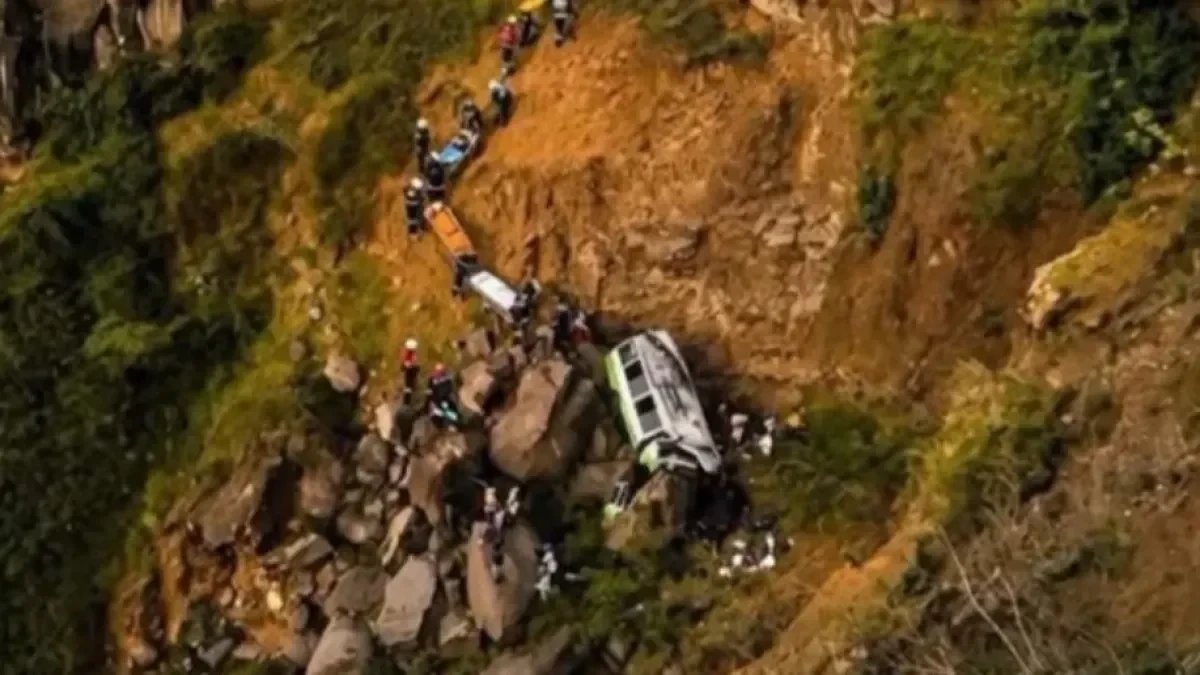
A bus carrying schoolchildren and teenagers plunged about 30 meters into a rocky ravine on Cape Verde's Fogo island on September 5, killing 25 people. Thirteen passengers survived the crash, which occurred as the group was returning home from an excursion. Rescue efforts were complicated by the mountainous, hard-to-reach terrain.
Key Facts
- The crash killed 25 people and left 13 survivors, according to local authorities.
- The bus fell about 30 meters into a rocky ravine on Fogo island on September 5.
- Most of the dead were children, teenagers, and young people, including primary and secondary school students.
- The bus driver was among those killed.
- Cape Verde's Ministry of Education said the excursion was organized privately by the driver, not by the schools.
The Crash
The bus was traveling from the village of Chã das Caldeiras toward Campanas de Cima when it left the road on a mountainous stretch and plunged about 30 meters into a rocky ravine. The vehicle was severely damaged in the fall. Rescue operations were hampered by the mountainous and hard-to-reach location of the accident site. Initial reports gave conflicting figures for the number of people on board and the death toll. Later local information confirmed that 38 people were on the bus: 25 died and 13 survived.
Victims and Investigation
Most of those killed were children, teenagers, and young people, including primary and secondary school students. The bus driver was also among the dead. Authorities have launched a full investigation into the exact cause of the accident. The Ministry of Education stated that the excursion was not organized by the schools themselves. The trip was privately organized by the driver who transported students during the school year.
1 source
Time · lag behind first