
ERG to build $1bn aluminium plant in Pavlodar by 2029
This digest was compiled by AI from multiple sources — links to the originals are below.
ERG plans to complete the second phase of its Pavlodar electrolysis plant in 2028–2029, raising finished aluminium output by 400,000 tonnes. The project will require nearly $1 billion in investment. Construction is scheduled to begin in 2027.
Key Facts
- ERG will invest nearly $1 billion in the second phase of its Pavlodar electrolysis plant.
- The new plant will raise finished aluminium output to 400,000 tonnes per year, up from the current 250,000 tonnes.
- Construction is scheduled to start in 2027 and finish in 2028–2029.
- The plant will produce aluminium with purity of 99.7% or higher, certified by the London Metal Exchange.
- ERG also plans to produce aluminium alloy and finished car wheels at the site.
Project Scope
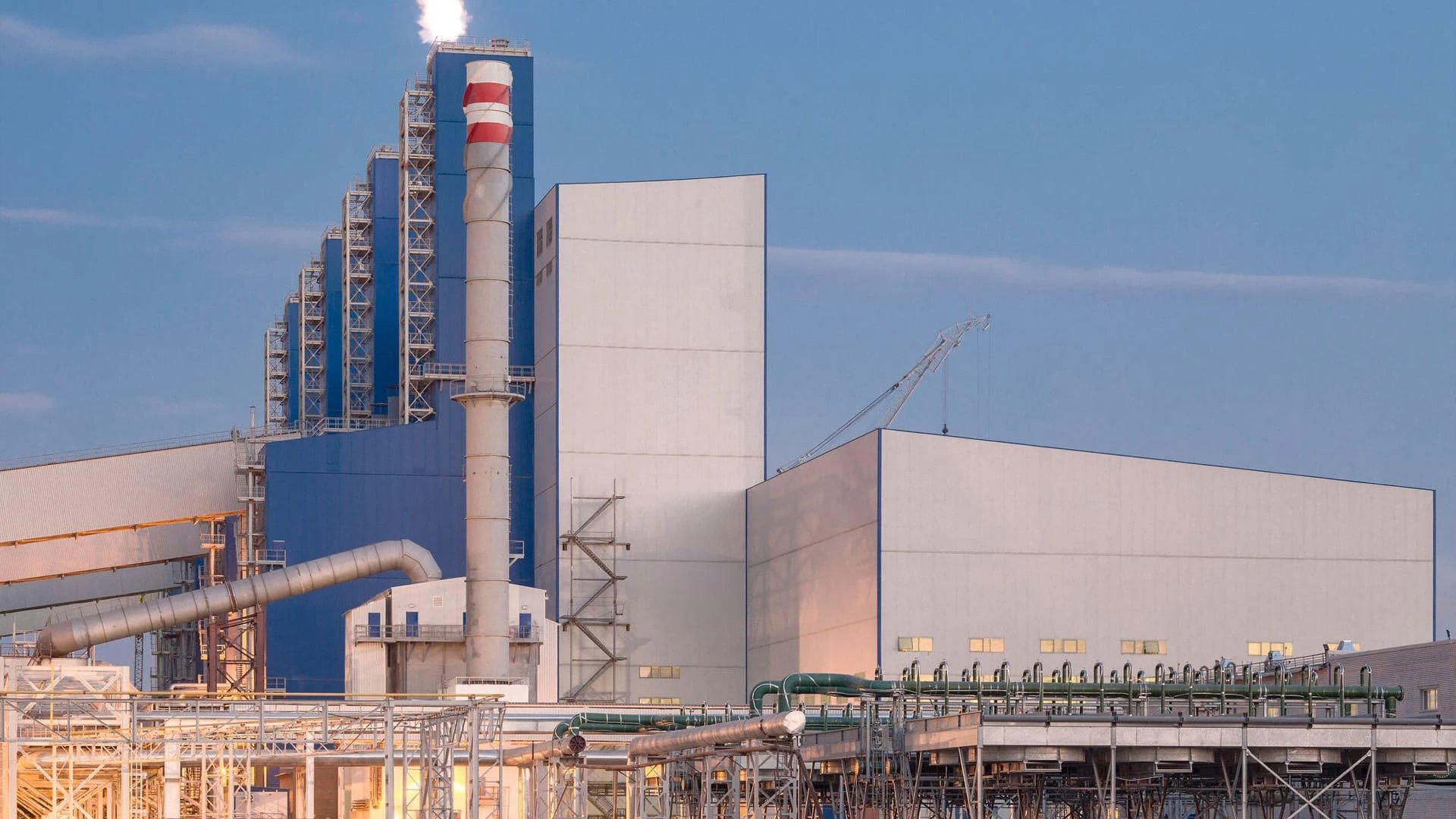
ERG will build the new production facility on the site of the existing Kazakhstan Electrolysis Plant in Pavlodar Region. The second phase will allow the company to process all of the alumina it produces into high-quality aluminium. Current capacity is 250,000 tonnes of aluminium per year, while the new plant will add 400,000 tonnes. The aluminium will have a purity of 99.7% or higher and will be certified by the London Metal Exchange.
Technology Partners
ERG held talks with potential technology partners at the Kazakhstan–China investment forum. China builds 60% of the world's electrolysis plants, and four Chinese institutes own the main aluminium production technologies. ERG's first electrolysis plant was built using Chinese technology and has operated for 19 years without issues. The company wants to use China's latest technologies, including 600 kA electrolysis cells, for the new plant.
Financing
ERG plans to finance the project with a mix of its own funds and borrowed capital. Specific sources of financing have not yet been disclosed.
1 source
Time · lag behind first