
Macron announces French troops to defend Saudi oil facilities at Yanbu
This digest was compiled by AI from multiple sources — links to the originals are below.
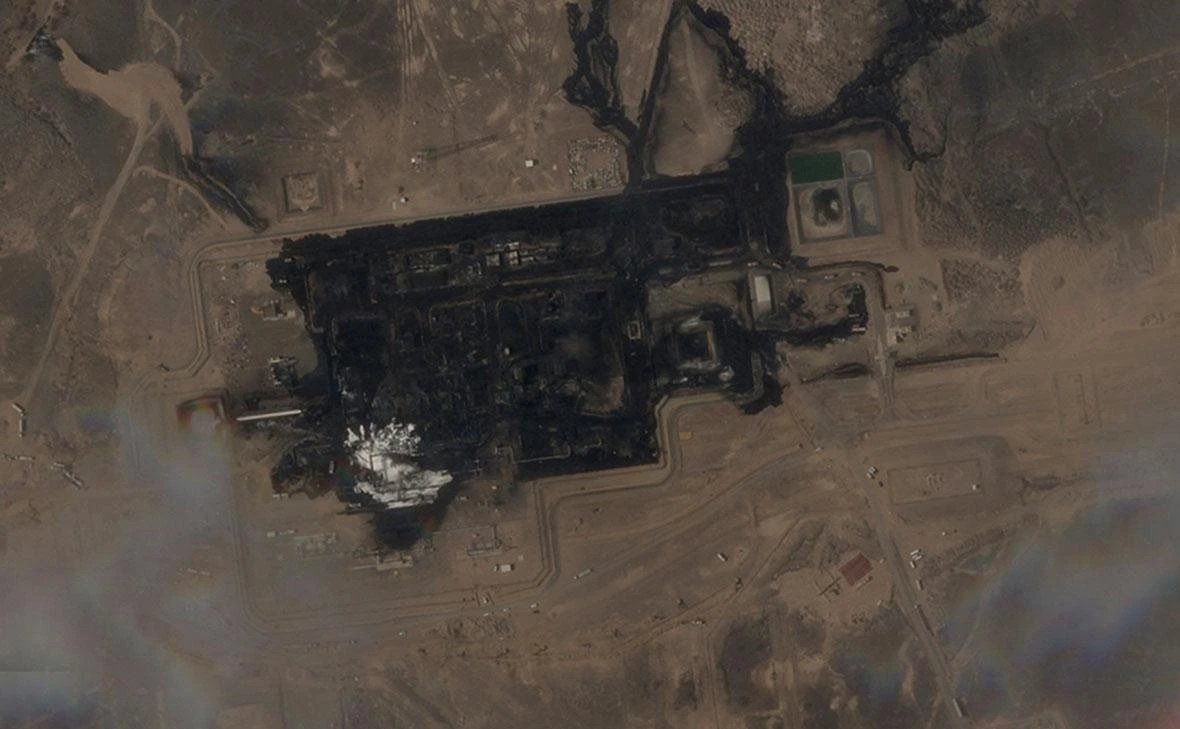
French President Emmanuel Macron announced plans to send troops, radar systems, and defense systems to Saudi Arabia to protect an oil refinery and crude pipeline at the Red Sea port of Yanbu. The decision was coordinated with Saudi authorities, and Macron stressed that Paris is not entering any conflict.
Key Facts
- France will send soldiers, radar systems, and defense systems to protect the Yanbu oil refinery and crude pipeline.
- The Yanbu port has become a key hub for diesel, crude oil, and other petroleum product supplies to Europe since the war with Iran began.
- The East-West Pipeline, spanning 1,201 km, was shut down on September 11 after attacks by Iraqi armed groups and resumed operations only on September 22.
- Saudi Arabia's oil production fell by 1.9 million barrels per day in August to 6.238 million barrels per day, the lowest level since 1990.
- US President Donald Trump said Iran may be behind the attack on the East-West Pipeline.
French Military Deployment
President Emmanuel Macron announced that France will send military assets, including soldiers, radar systems, and defense systems, to protect the Yanbu oil refinery and crude pipeline. Macron emphasized that Paris is not entering any conflict and that the decision was coordinated with Saudi authorities. The announcement was reported by The Wall Street Journal and relayed by RBC and Nur.kz.
Yanbu Port and Pipeline Attacks
The Yanbu port has become a major hub for diesel, crude oil, and other petroleum product supplies to Europe since the war with Iran began, allowing Saudi exports to bypass the Strait of Hormuz. On September 11, the East-West Pipeline was shut down after attacks by Iraqi armed groups, and operations resumed only on September 22. The East-West Pipeline is a 1,201 km trunk pipeline running from the Abqaiq oil field in the Eastern Province to Yanbu on the Red Sea. About 4 million barrels per day, or roughly 4% of global oil supply, were rerouted through the pipeline amid disruptions in the Strait of Hormuz.
Regional Escalation and Oil Output
Houthi forces declared a naval blockade of Saudi Arabia in the summer, breaking the truce in place since 2022. In early September, Saudi authorities reported the suspension of several energy facilities after new attacks, and on September 10 the Houthis took control of the Yemeni port of Mokha. Saudi Arabia's oil production fell by 1.9 million barrels per day in August to 6.238 million barrels per day, the lowest level since 1990. US President Donald Trump said Iran may be behind the attack on the East-West Pipeline, responding 'I think so, probably it was them' when asked if Tehran was responsible.
5 sources
Time · lag behind first