
Xi's US visit yields short tariff truce extension, Taiwan arms dispute persists
This digest was compiled by AI from multiple sources — links to the originals are below.
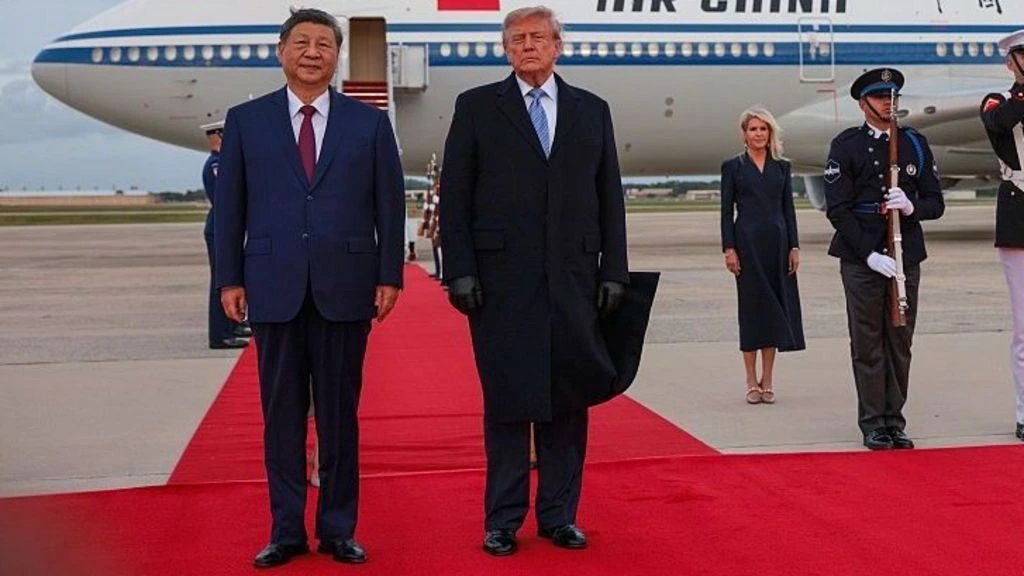
President Xi Jinping's visit to Washington produced only a three-month extension of the US-China tariff truce, from November to January, falling short of Beijing's hopes for a year-long pause. The two leaders also discussed Taiwan and artificial intelligence, but no public agreement emerged on either issue.
Key Facts
- The US-China tariff truce was extended by only a few months, from November to January, rather than the year Beijing sought.
- President Trump delayed approval of a $14 billion arms package for Taiwan, calling it a 'very good negotiating chip' with Beijing.
- Youth unemployment remains stubbornly high and property prices have slumped in China, where 80% of people own their own homes.
- Anthropic CEO Dario Amodei called for slowing AI development, following a company safety researcher's warning of a 'greater than 10% chance' AI could cause human extinction.
Trade Truce Extension
The trade truce that paused the tit-for-tat tariff war was extended by only a few months, from November to January. Beijing had hoped for at least a year as Xi looks to ride out the remainder of Trump's presidency. Key disputes on tariffs, China's dominance on rare earth supplies, and access to advanced US chips are being pushed into another round of negotiations. This suggests the US wants China to do more to fulfil its side of the bargain before offering longer-term concessions.
Taiwan Arms Dispute
Xi reiterated that US arms sales to Taiwan are a red line for China. In May, Xi warned Trump that mishandling the issue could cause the two countries to 'collide or even enter into conflict'. Trump then delayed approval of a $14 billion arms package for Taiwan, describing it as a 'very good negotiating chip' with Beijing. Trump has yet to make any public response to Xi's latest comments, despite bipartisan pressure to continue US support to Taiwan.
AI Safety Discussion
The two leaders discussed artificial intelligence, but it is unclear whether they agreed to any safeguards. Attention focused on whether they would make concrete decisions on AI, such as an agreement to hold a summit. Anthropic CEO Dario Amodei had called for slowing AI development to make it safer. A top safety researcher from Anthropic warned there was a 'greater than 10% chance' that AI could cause the extinction of humans.
1 source
Time · lag behind first